


The Console War Just Became a Platform War.
Gaming consoles once followed a simple rule. Each box lived inside its own garden. Each garden sold its own games. Step outside the walls, and nothing worked.
That model faces a serious shake-up. Microsoft is signaling that its next Xbox console plans to run both Xbox titles and PC games, a change that may redefine the console market. The upcoming system — internally called Project Helix — is a new direction where the line between PC gaming and console gaming grows thin.
The message comes from Asha Sharma, Microsoft’s Executive Vice President for Gaming, who says the next Xbox will “lead in performance and play your Xbox and PC games.”
If Microsoft follows through, the traditional console wall disappears. Instead of locking players into a single store or ecosystem, the next Xbox may open access to the vast universe of PC gaming platforms.
The result could reshape the economics of gaming, the strategy of platform holders, and the future of living-room entertainment.
What’s Happening & Why This Matters
Microsoft: A New Xbox Strategy
Microsoft recently hinted at its next console through social media posts and developer discussions ahead of the upcoming Game Developers Conference in San Francisco. Sharma confirms that Project Helix, the codename for the next-generation Xbox, will support both Xbox games and PC titles.
That simple statement carries massive implications. Historically, consoles have operated within closed ecosystems. A PlayStation console plays PlayStation games purchased from Sony’s store. An Xbox console runs games purchased from Microsoft’s Xbox store. The system tightly controls developers, revenue, and distribution.
Microsoft signals a willingness to loosen that control. Instead of treating Xbox as a walled garden, Microsoft appears to treat the console as an extension of Windows gaming.
If the next Xbox truly supports PC titles directly, it could unlock tens of thousands of games already available on PC platforms.
A Windows-Based Xbox May Be the Endgame
Reports and developer speculation suggest Microsoft may build the next console around a Windows-based system architecture. That approach would allow the device to run standard PC game software and connect to popular PC storefronts. One widely discussed possibility involves support for Valve and its Steam marketplace.
If Steam is accessible on Xbox hardware, the console would instantly gain access to a huge library of games. The technical groundwork already exists.
Microsoft produces Windows operating systems and already powers many PC gaming tools. Its hardware partner AMD supplies chips for gaming PCs, Xbox consoles, and devices like the Steam Deck handheld system. That shared ecosystem makes hardware convergence easier.
While Microsoft has not directly confirmed Steam compatibility, its messaging about openness strongly hints in that direction.
Xbox: An “Open Console”?
For years, Microsoft leadership expressed interest in a more flexible Xbox platform. Former Xbox president Sarah Bond once described Microsoft’s vision as an Xbox experience “not locked to a single store, or tied to one device.”
That philosophy appears to guide the next generation. If Microsoft implements a PC-compatible console, the next Xbox might allow players to install games from multiple storefronts. It could even run non-Xbox software directly through Windows compatibility.
This would mirror a trend already visible across the industry. Gaming increasingly shifts away from hardware exclusivity and toward platform ecosystems. Cloud gaming, cross-play features, and subscription services such as Xbox Game Pass already sway the industry in that direction.
A PC-compatible Xbox emboldens the transformation.
Helping Xbox Compete With PlayStation
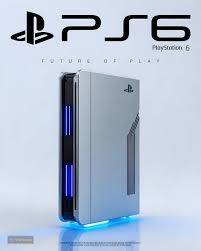
Microsoft is in intense competition with Sony and its PlayStation brand. Sony’s consoles have dominated global sales in recent years. Exclusive games are one of Sony’s strongest advantages.
Microsoft chooses a different path. Instead of focusing only on exclusives, the company builds a gaming ecosystem that includes:
- Windows PC gaming
- Xbox consoles
- Game Pass subscriptions
- Cloud streaming services
By merging PC and console gaming into one platform, Microsoft expands the value of the Xbox hardware. A player who buys a next-generation Xbox could gain access to both traditional console titles and the much larger PC gaming catalog.
That combination strengthens the device’s appeal.
Developers Gain a Larger Audience
Developers may benefit from the shift as well. If the next Xbox shares architecture with Windows PCs, studios can build a single game version that runs across both platforms.
This reduces development complexity. Instead of building separate console and PC versions, studios could deploy a single unified codebase. That approach simplifies testing, reduces costs, and expands the potential player audience. Developers attending the Game Developers Conference expect Microsoft to discuss exactly this kind of future.
Xbox executive Jason Ronald, who leads next-generation hardware strategy, plans a conference session focused on building “a more flexible, connected future for game creators and players everywhere.”
The language strongly suggests platform convergence.
Hardware Design Still Raises Questions
Despite the excitement, many details are unknown. A Windows-compatible console raises practical questions. Living-room consoles rely on simple interfaces. PC gaming systems often require launchers, drivers, and multiple store logins. Microsoft must solve that complexity. One possible solution involves a hybrid interface.
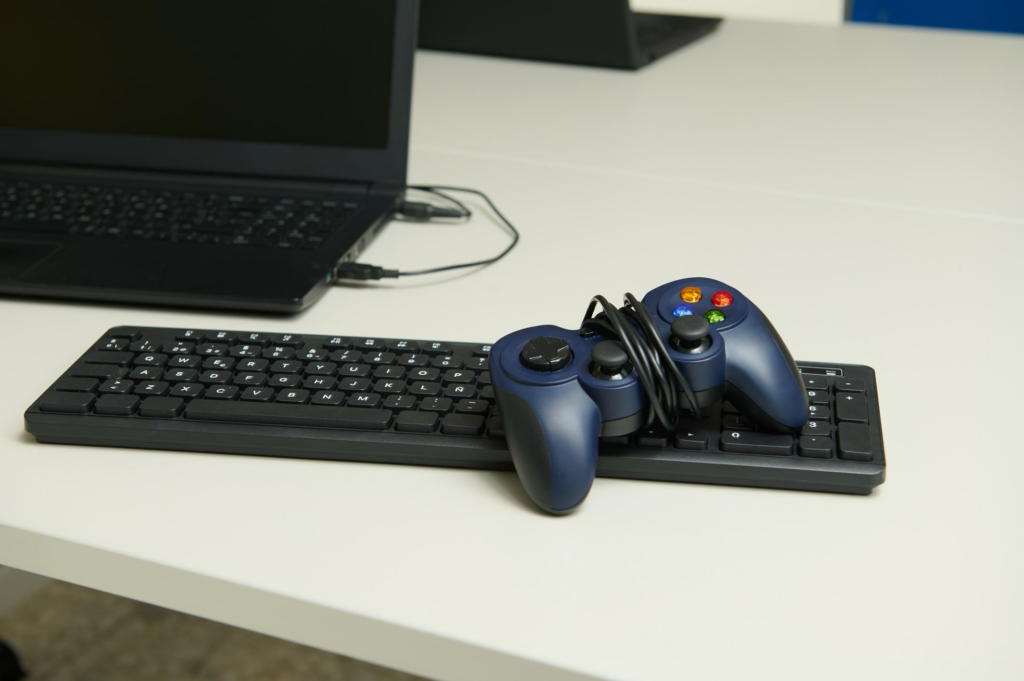
The console could run a streamlined Xbox dashboard while allowing users to switch into a Windows-based environment when needed. Another challenge involves control schemes. Many PC games rely on keyboard and mouse input. Console players typically use controllers.
Microsoft already supports keyboard and mouse in many Xbox titles, so the company will likely expand that compatibility. Backward compatibility matters.
Players expect new consoles to run games from older Xbox generations. Microsoft maintains a strong track record here, supporting large libraries from previous hardware.
If the next Xbox supports Windows PC software, backward compatibility is even more comprehensive.
Premium Hardware Pricing
Performance will is a major focus. Microsoft describes the next console as a “very premium, very high-end experience.” Running PC titles effectively may require powerful hardware.
That could mean advanced AMD processors, high-performance graphics, and increased memory capacity. Premium hardware usually carries a higher price tag. Microsoft must balance performance with accessibility if it wants to attract mainstream players.
Pricing strategy will likely depend on subscription models like Game Pass, which help offset hardware costs through recurring revenue.
Gaming Trends Support Unification
The gaming industry is progressing toward openness. Sony releases many of its once-exclusive titles on PC platforms. Valve brings PC gaming into the living room through devices like the Steam Deck and upcoming Steam Machine concepts.
Cloud gaming services let titles run on phones, TVs, and tablets. These changes reduce the importance of strict hardware ecosystems. Instead, companies compete on services, subscriptions, and player experience.
Microsoft’s Xbox strategy aligns closely with that reality.
Rather than fighting the shift toward cross-platform gaming, the company appears to embrace it.
TF Summary: What’s Next
Microsoft signals a major shift in console strategy with its upcoming Xbox system, Project Helix, which plans to run both Xbox titles and PC games. If the company delivers on the vision, the next Xbox may function as a powerful living-room PC that bridges the gap between console simplicity and PC gaming flexibility.
MY FORECAST: The next Xbox will blur the line between console and computer. Expect Microsoft to launch a Windows-based system with a simplified Xbox interface, strong Game Pass integration, and optional access to PC gaming libraries. If executed well, the console may become the most flexible gaming system ever built — and it will force rivals to rethink the future of console ecosystems.
— Text-to-Speech (TTS) provided by gspeech | TechFyle