


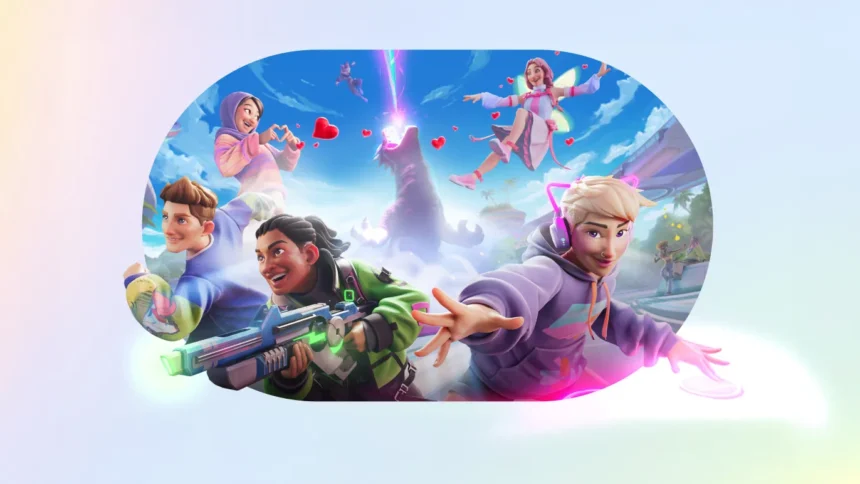
Meta tried to kill Horizon Worlds VR, then reversed course almost overnight. The episode exposed a deeper, confused strategy.
Meta spent years selling Horizon Worlds (H.W). as a pillar of its metaverse dream. Then it told users the VR version would end on 15 June 2026. A day later, it pulled a U-turn. Meta CTO Andrew Bosworth said H.W. in VR would stay available “for the foreseeable future” after fans pushed back. That reversal did not calm the story. It made the messaging look messy, rushed, and reactive.
The bigger issue is not only the reversal. It is what the reversal says about Meta’s direction. The company still wants growth. Yet it now sees more energy on mobile than in VR. At the same time, it keeps telling investors and users that VR still matters. That split message left Horizon users with a simple question: Is Meta building a future, or just managing a retreat?
What’s Happening & Why This Matters
An Announced Shutdown, Then a Fast Backtrack
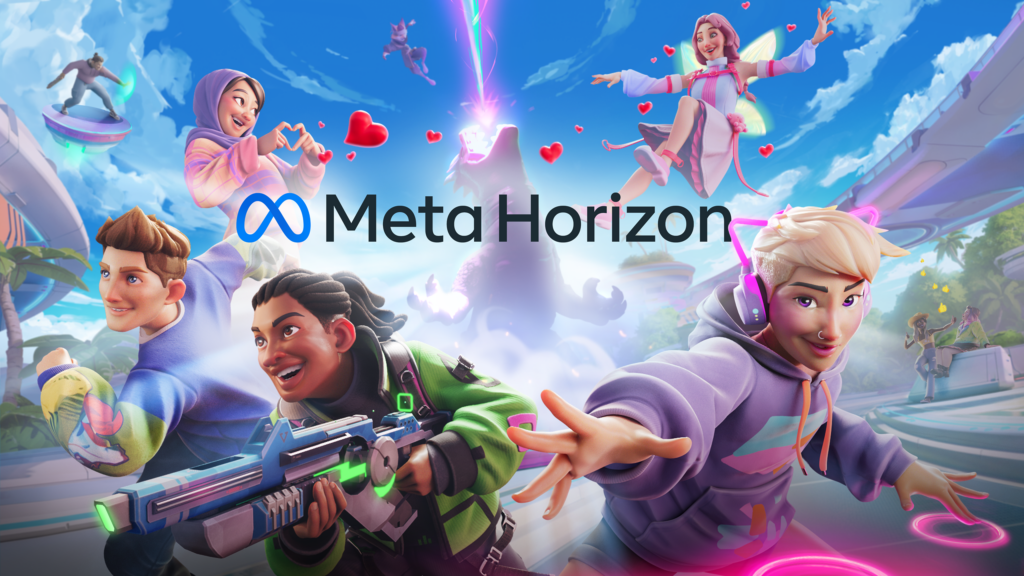
Meta first told users that H.W. would no longer be supported on Quest headsets from 15 June. The app would leave the Quest Store on 31 March. The service would continue on mobile and web. That looked like a clean decision. It also looked like a clear end to one of Meta’s most famous VR bets.
But the shutdown plan barely survived a day. In an Instagram Q&A, Bosworth said Meta had changed course after hearing from upset fans. He said the company would keep H.W. in VR alive “for the foreseeable future.” The Verge reported that existing VR worlds are accessible and the VR app would still be available to download. However, Meta would not launch new VR games for H.W..
That sequence matters because product trust depends on stable communication. Users can handle bad news better than confusing news. Meta first sounded final. Then it sounded flexible. That left creators, headset users, and industry watchers trying to decode what H.W. actually is. H.W. a living platform, a legacy product in decline, or a soft landing zone for old content.
The Mobile Pivot Is Real, Even If Meta Won’t Say VR Is Losing
Meta’s revised stance still points in one direction. The company wants Horizon Worlds mobile to carry more weight. Euronews reported that Meta sees a “much bigger audience” on phones. Bosworth said building for phones creates more momentum than maintaining separate mobile and VR versions. That tells the story more clearly than any corporate slogan. Meta follows attention. That attention is not strongest inside headsets.
The numbers support that shift. Euronews reported that H.W.’s mobile app reached 45 million downloads across iOS and Google Play. It also said downloads were up 53 per cent from last year, with 1.5 million downloads so far in 2026. Those figures do not mean Horizon became a cultural giant. They do show that mobile offers a larger funnel than Quest-only VR.
UploadVR had already spotted this direction in February. It reported that Meta was “explicitly separating” H.W. from Quest. The company planned to remove individual worlds from VR store shelves and stop advertising Horizon to Quest users. That means the March shutdown message did not come from nowhere. It fits a move away from making Horizon the face of Quest.
H.W. Never Became the Hit Meta Hoped
Meta Horizon Worlds mattered because Meta tied it to the metaverse narrative and even branded it with its own story. Yet Horizon never turned into the breakout social platform that justified the hype. Wired said the service was widely mocked after launch, struggled with technical and cultural issues, and never matched the popularity of rivals like VRChat.
Wired also noted that Horizon relied on costly hardware and failed to pull a mainstream audience. Forrester analyst Mike Proulx told Wired that Meta was trying to solve “a consumer problem that doesn’t exist.” That line hits hard because it captures why Horizon kept looking forced. Meta wanted people to gather there. Too many people simply did not want to.
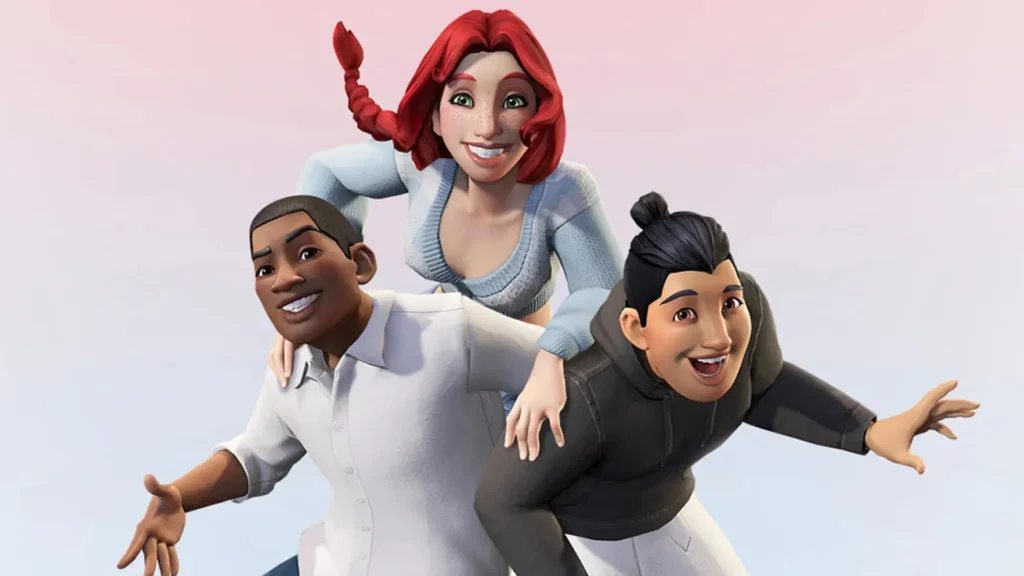
The product also carried baggage. People mocked the visuals. Critics dunked on the legless avatars. Users complained that the platform felt more like a corporate demo than a living social world. Even major concerts and partnerships did not fix that image problem. H.W. became famous, but not in the way Meta wanted. That is brutal for any social platform. It is worse when the company spent billions framing it as the future.
A Company Caught Between Narrative and Reality
Meta still insists VR matters. Wired reported that Meta pointed to a statement saying it has a robust roadmap for future VR headsets and remains the biggest investor in the VR industry. That part is important. Meta is not walking away from VR hardware. It is stepping back from one of its signature software symbols while trying not to admit the retreat too loudly.
That tension explains the reversal’s strange tone. Meta could not fully kill VR Horizon without angering loyal users and fueling another “metaverse is dead” cycle. Yet it could not justify substantial new investment in a platform that failed to reach the mainstream. So it chose the corporate middle lane: keep it alive, limit support, stop building much new, and talk about future opportunity elsewhere.
The trouble is that users hear mixed messages faster than executives do. Fans heard that Horizon VR was dying. Then they heard it would live on. Creators heard that mobile is the focus. Quest users heard VR still matters. Investors heard discipline and efficiency. Each message may serve one audience. Together, they create fog. Product communities hate fog. Fog kills momentum.
Pressures on Reality Labs
You cannot separate this mess from Reality Labs. Euronews reported that Meta has poured $73 billion into the division since the company’s rebrand. It also said Meta cut more than 1,500 jobs in Reality Labs this year. Wired reported separate cuts in VR teams and an effort to slim the business while Meta shifts more energy toward AI and smart glasses.
That financial pressure changes how every Horizon decision looks. A platform can survive weak numbers if leadership sees strategic upside. A platform looks very different when the company needs to trim costs, reset priorities, and show sharper discipline. In that setting, H.W. no longer looks like a crown jewel. It starts looking like an expensive reminder of a story that did not land.
This is why the messaging felt off. Meta was not only communicating a product update. It was managing years of sunk cost, brand symbolism, user disappointment, and investor pressure. That is hard. Yet the company made it harder by moving too fast, then reversing too publicly. When a firm of Meta’s size sends a “we’re done” message and then says “actually, not fully,” people do not call that vision. They call it a wobble.
TF Summary: What’s Next
Meta did not just bungle a Horizon Worlds VR shutdown notice. It exposed a deeper split inside its metaverse strategy. The company still believes in VR hardware. It still wants a metaverse narrative. But user energy and growth appear stronger on mobile. That mismatch forced Meta to reverse course after backlash from fans. The result left Horizon alive, but reduced, and left Meta sounding less certain than it wants to appear.
MY FORECAST: Meta will keep Horizon Worlds in VR on limited life support while it pursues mobile, AI, and lighter wearable experiences. The company will keep saying VR matters, because it does. But Horizon no longer looks like the flagship proof. It looks like a legacy bridge. If Meta wants trust back, it needs cleaner messaging, fewer swerves, and a product story that users can actually believe.
— Text-to-Speech (TTS) provided by gspeech | TechFyle