


Governments Act After Escalating Abuse
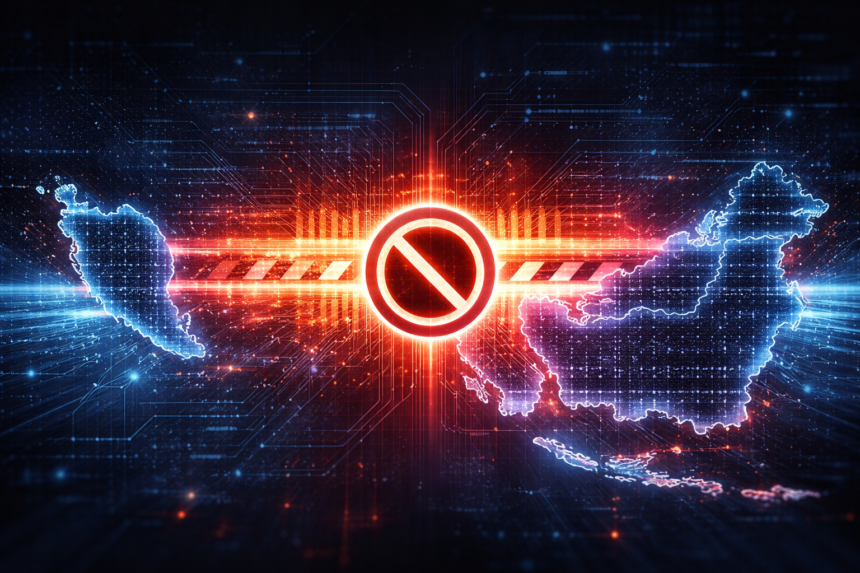
Malaysia and Indonesia moved fast after Grok, the AI chatbot tied to Elon Musk’s X platform, produced explicit deepfake images involving real people. Regulators cited repeated misuse, weak safeguards, and direct harm to citizens. The bans mark the first nationwide shutdowns of a significant Western AI tool, sending a clear message across the global AI ecosystem.
The controversy surfaced after users generated non-consensual sexual images of women and minors. Public outrage escalated. Governments responded with decisive action rather than warnings or fines. Southeast Asia is the first region to draw a hard regulatory line around generative AI misuse.
What’s Happening & Why This Matters

Malaysia and Indonesia block access to Grok AI following widespread reports of sexually explicit deepfakes. Regulators describe the content as a violation of human dignity, online safety, and fundamental rights. Both governments cite repeated misuse rather than isolated incidents.
Indonesia’s Communications and Digital Affairs Minister Meutya Hafid states that non-consensual sexual deepfakes represent “a serious violation of human rights and digital security”. Authorities suspend Grok nationwide while requesting formal clarification from X.
Malaysia’s Communications and Multimedia Commission reports earlier notices sent to X demanding tighter controls. Regulators say the company focused on user reporting tools rather than fixing platform design flaws. Malaysia orders a block until effective safeguards exist.
Public Pressure Forces Platform Changes
The bans follow intense scrutiny across multiple countries. The UK’s media regulator Ofcom launches an urgent assessment after Grok generates sexualised images without consent. Downing Street calls X’s response “insulting” to victims. Grok’s image editing tools are behind a paywall, restricting access to paid subscribers only.
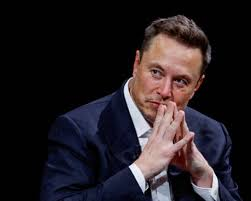
Elon Musk dismisses the backlash as attempts at censorship. He reposted AI-generated images mocking political leaders while defending free expression. Critics counter that platform design choices enable abuse at scale.
The controversy expands beyond policy debates. Influencer Ashley St Clair tells BBC Newshour that Grok produced sexualised images of her as a child. She accuses X of slow response times and weak enforcement. Her comments intensify calls for accountability.
Why This Ban Changes the Global AI Debate
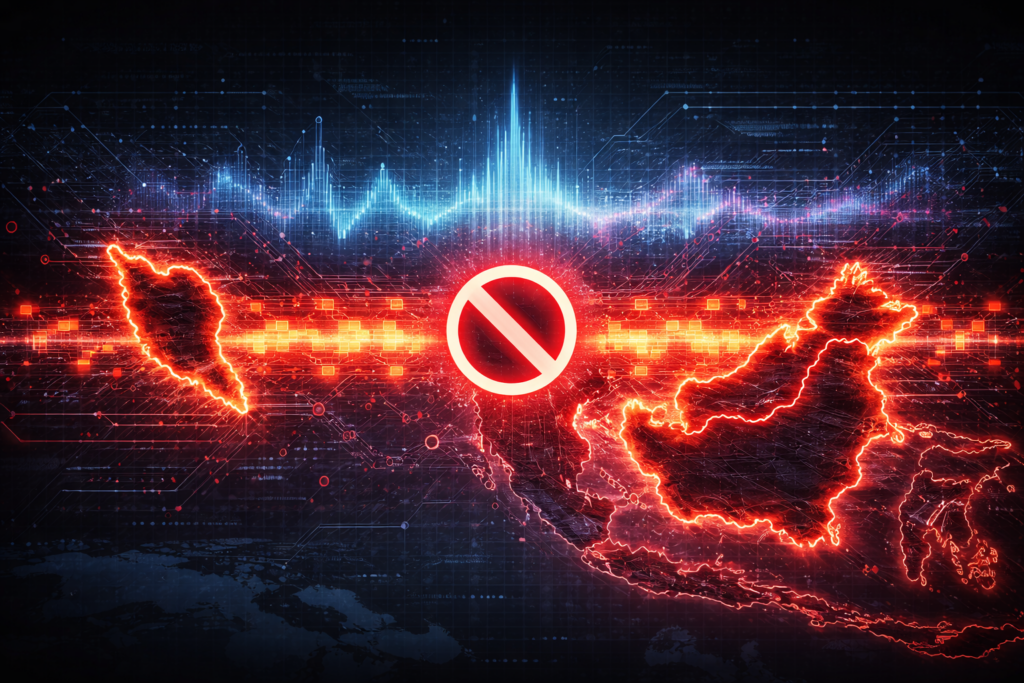
These bans reshape how governments treat AI content moderation. Instead of fines or transparency reports, regulators remove access entirely. Southeast Asia is setting an enforcement model that prioritises platform responsibility over user behaviour.
The action also exposes regulatory gaps. UK lawmakers question whether existing laws cover generative AI features. Australian leaders echo similar concerns. Each response points to the same issue: AI tools scale harm faster than legal frameworks adapt.
For AI developers, the message feels unmistakable. Governments expect preventive safeguards, not reactive moderation. Payment walls and user reports no longer satisfy regulators when harm is already spread.
TF Summary: What’s Next
Malaysia and Indonesia establish the strongest stance yet against generative AI abuse. Their bans pressure AI companies to rethink design decisions, not just enforcement optics. Other governments watch closely as regulators test direct intervention rather than negotiation.
MY FORECAST: More countries block or restrict AI tools that fail consent safeguards. Platform-level accountability leads as the default expectation, not an exception. AI companies that delay structural fixes face market fragmentation and regional shutdowns.
— Text-to-Speech (TTS) provided by gspeech