



iRobot Enters Chapter 11, Plans Sale
iRobot helped define the modern smart home. Now, the Roomba maker files for Chapter 11 bankruptcy, raising sharp questions about device support, data ownership, and what happens next to one of consumer robotics’ most recognizable brands. The short answer: your robot keeps cleaning. The long answer matters more.
What’s Happening & Why This Matters
iRobot files for bankruptcy protection in Delaware and plans to go private after the process. The buyer is Picea Robotics, its China-based primary manufacturer. The company points to shrinking revenue, limited access to capital, and heavy competition as the drivers behind the move. Trade pressures also play a role. U.S. tariffs hit Vietnam-made devices hard, squeezing margins and slowing sales.
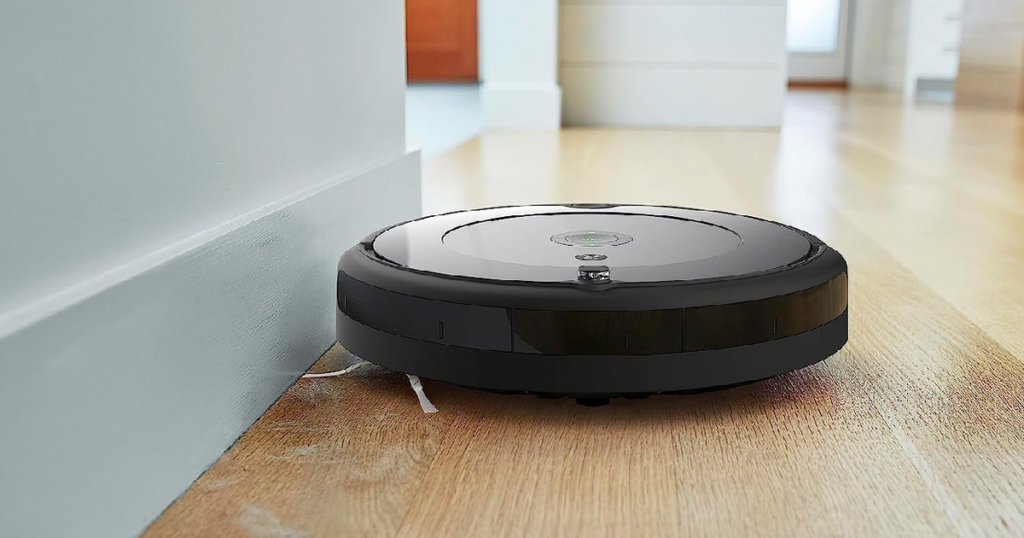
The timeline matters. iRobot expects the Chapter 11 process to wrap by February 2026. During that window, the company says operations continue as usual. That includes apps, cloud services, customer programs, and product support. In plain terms, Roombas keep working. Updates keep flowing. Support channels stay open.
What Customers Should Expect
For existing owners, the message is steady. iRobot states there is no disruption planned to device functionality or the mobile app. Consumables and accessories remain in the supply chain. Warranties remain active during the process. The brand wants continuity throughout the transaction.
This matters because iRobot devices depend on software, mapping data, and cloud services. A sudden shutdown would strand millions of homes. That does not happen here.
The IP Question: Data, Patents, and Brand
Intellectual property sits at the center of the deal. iRobot holds core patents in navigation, mapping, and home robotics, plus years of anonymized usage data that improves algorithms. Under Chapter 11, IP transfers are subject to court oversight. Any buyer inherits obligations tied to ongoing services and data handling.
Privacy remains a watch point. iRobot historically positions itself as privacy-first. A change in ownership invites scrutiny from regulators and customers alike. Expect clearer disclosures once the sale closes.
Competition, a Missed Amazon Exit, and Leadership
The context explains the fall. The attempted Amazon acquisition collapsed in early 2024 after European regulators voiced concerns. Meanwhile, rivals like Ecovacs and Roborock flood the market with cheaper, feature-dense models. iRobot’s valuation slides from a 2021 peak above $3.5B to roughly $140M. The brand still carries trust. The economics did not keep pace.
CEO Gary Cohen frames the sale as a reset. He says the transaction strengthens finances and preserves continuity for customers and partners, while allowing iRobot to keep advancing Roomba and smart-home tech. That tone is important. The plan favors stability over liquidation.
TF Summary: What’s Next
iRobot survives by shrinking, restructuring, and selling. Support continues, devices stay online, and the roadmap pauses rather than ends. The real story shifts to IP stewardship and privacy assurances once ownership changes. If Picea Robotics invests in R&D and respects data norms, the Roomba brand remains relevant. If not, competitors stand ready to absorb its share.
MY FORECAST: Expect a quieter 12–18 months, followed by a refreshed product line focused on reliability, lower prices, and selective AI features. The Roomba name endures, but its dominance does not return without more competent execution.
— Text-to-Speech (TTS) provided by gspeech