



From Blackouts to Signal Warfare
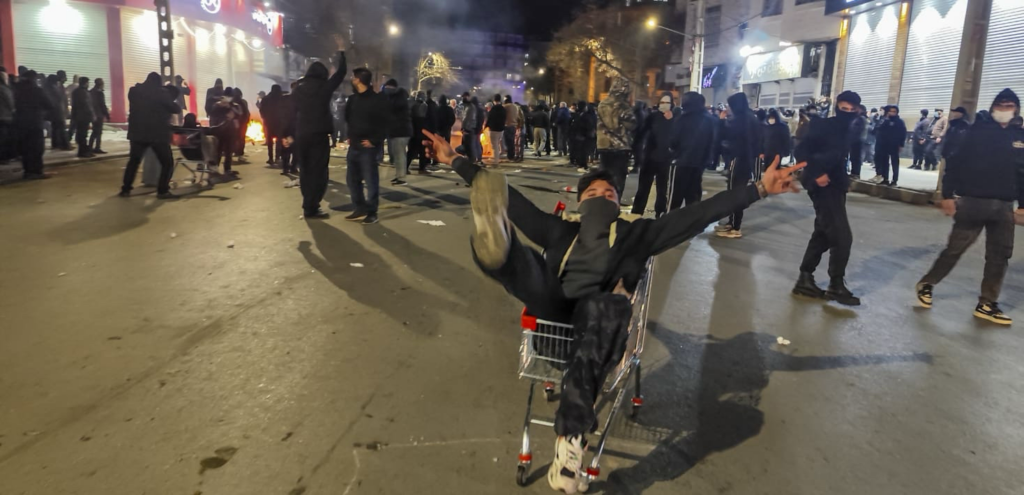
Iran once relied on internet throttling and platform bans to silence dissent. That playbook expands into space. As nationwide protests intensified, Iranian authorities escalated digital repression by targeting Starlink satellite internet, a tool many protestors used to bypass state censorship. What once looked untouchable is now electronic interference, packet loss, and targeted jamming.
The moment is a sharp turn. Satellite connectivity had given protestors a rare advantage: access beyond state-controlled networks. Iran now treats that access as a threat equal to streets filled with demonstrators. The fight over protest speech moves from fibre cables and mobile towers into orbit.
What’s Happening & Why This Matters
Iran previously imposed near-total internet blackouts during periods of unrest. Traffic drops reached zero during recent crackdowns, cutting citizens off from messaging apps, news sites, and global platforms. Protestors responded by turning to Starlink, SpaceX’s satellite internet service, which bypasses local telecom infrastructure entirely.
That workaround no longer holds steady.
Cybersecurity researchers and Iranian digital rights advocates now report active signal jamming against Starlink terminals inside the country. Users describe severe packet loss, unstable connections, and sudden outages. Some connections degrade by more than 70 per cent, making video uploads and live communication unreliable.
Amir Rashidi, a cybersecurity and policy analyst focused on Iran, describes the interference as deliberate and advanced. He compares the disruption pattern to electronic warfare tactics used against Starlink during the Ukraine conflict, where military-grade jammers target satellite uplinks directly.
This escalation matters because satellite internet once symbolised an end-run around censorship. Iran now demonstrates that even orbital systems are subject to state pressure.
Why Starlink?
Starlink entered Iran in 2022 after U.S. regulators granted permission for limited humanitarian use. Iranian law still bans satellite internet equipment, but thousands of terminals reportedly entered the country through informal channels. Protestors used the service to upload videos, coordinate demonstrations, and communicate with international media.

That visibility changed the stakes.
Satellite access allowed protest footage to reach global audiences in near real time. It also weakened the state’s ability to isolate unrest geographically. Blocking Starlink restores information asymmetry, tilting control back toward authorities.
Iran’s response reflects a broader pattern: regimes now treat connectivity itself as infrastructure worth attacking.
A Cat-and-Mouse Orbital Struggle
Some monitoring groups report partial recovery in certain neighbourhoods. Packet loss dropped in parts of Tehran after peaking earlier during the crackdown. Activist collectives claim ongoing coordination with SpaceX engineers to counter interference techniques.
Yet no permanent fix exists.
Signal jamming operates as an adaptive tactic. Authorities escalate power. Satellite operators adjust frequencies. Each side probes theother’ss limits. The result resembles a prolonged standoff rather than a clean shutdown.
Meanwhile, reports surface that Iranian security forces actively search for and confiscate Starlink dishes. Physical enforcement now complements electronic suppression.
Geopolitics: The Bandwidth War
Speculation grows aroundIran’ss access to advanced jamming hardware. Analysts point to Russian electronic warfare systems previously deployed against Starlink in Ukraine. While no official confirmation exists, the similarity in interference patterns raises questions about technology transfers and shared counter-space tactics.
The issue also reaches Washington. President Donald Trump publicly considers renewed pressure to expand satellite access into Iran, including support for cellular Starlink, a newer service that delivers limited connectivity directly to mobile phones. That option removes the need for visible dishes, though data speeds remain constrained.
The clash exposes a larger truth: internet freedom now intersects with foreign policy, defence strategy, and commercial satellite operations.
TF Summary: What’sss Next
Iran’s attempt to block Starlink confirms a new phase of digital repression. States no longer settle for platform bans or ISP shutdowns. They pursue signal denial across borders and into orbit. Satellite providers now operate inside geopolitical fault lines rather than above them.
The struggle does not end with jamming. It spreads across hardware seizures, frequency adaptation, diplomatic pressure, and countermeasures. Protestors continue searching for open channels. Governments continue tightening the net. Connectivity now behaves like contested terrain.
MY FORECAST: Satellite internet transforms into a permanent feature of protest movements, and governments respond with increasingly aggressive counter-space tactics. Starlink and rival networks evolve from civilian connectivity tools into political infrastructure. The next generation of censorship does not stop at national borders—it reaches the sky.
— Text-to-Speech (TTS) provided by gspeech