


The Sanchar Saathi App Is India’s Cybercrime Defence Tool.
03 December 2025 Update: India has scrapped a mandate requiring smartphone makers to preload a state-run cyber safety app, Sanchar Saathi, on new phones. The request was met with negative furor from both the populous, privacy watchdogs, and manufacturers.
India navigated the smartphone industry into murky waters after a private government order surfaced. The country directed all major phone makers to preload a state-run, unremovable cybersecurity app on all new devices. The decision came after a sharp rise in cybercrime, fraud rings, and misuse of stolen phones across its vast mobile network.
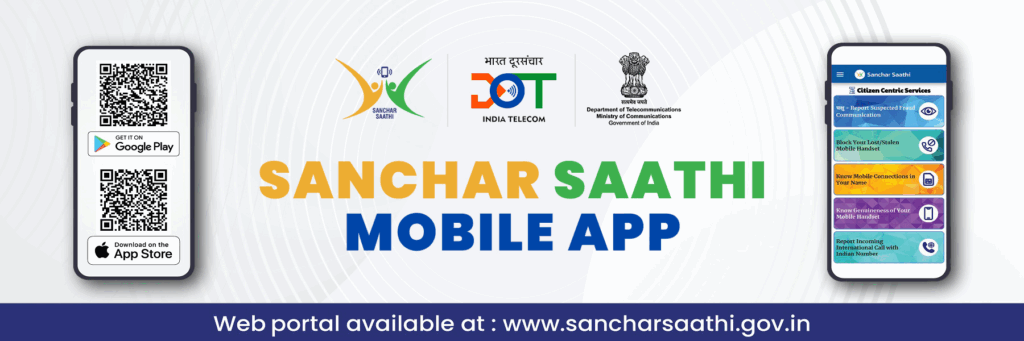
The directive surfaced in late November and immediately threw alarms for global tech manufacturers. Apple, Samsung, Vivo, Oppo, and Xiaomi received the order. India demanded compliance within 90 days. The app at the centre of the issue — Sanchar Saathi — already operated as a recovery and fraud-prevention tool. It logged millions of device checks and enabled users to block stolen or spoofed devices across networks. India framed the mandate as a cybersecurity necessity, not an optional service.
What’s Happening & Why This Matters
India’s Order
India instructed smartphone makers to preload Sanchar Saathi, a government-controlled cybersecurity and lost-device tracking service. Users cannot delete or disable it. The order also required manufacturers to push the app onto devices already in the supply chain through software updates. Government officials argued that rising fraud, IMEI spoofing, and stolen-device rings created an environment that demanded a national solution.
Privacy advocates reacted quickly. Experts warned that the order erased meaningful user consent and risked expanding state surveillance. Still, India maintained a firm position: cybercrime numbers justified stronger intervention.
Reaction
Enter Apple. The iPhone maker faced the sharpest pressure. Its policies restrict forced third-party installations. Apple’s Internal rules block government or third-party app installs before sale. India’s new position challenges those rules. Analysts described the situation as unprecedented. Apple refused similar mandates in the past, including India’s earlier demand for an anti-spam tool. Watchers predicted tense negotiations as Apple weighs policy consistency with India’s 1.2 billion-user market.
Privacy advocates and digital-rights lawyers interjected their concerns. Mishi Choudhary, a specialist in technology law, argued that the mandate removed real consent. Other researchers linked the mandate to Russia’s recent requirement that phones ship with a state-backed messenger app, Max.
Effect on Cybercrime
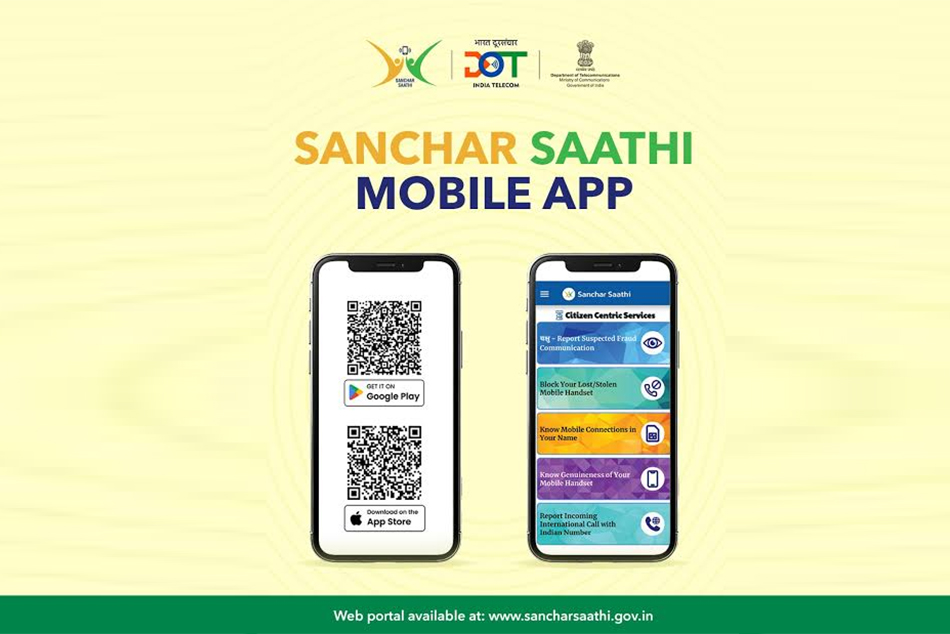
India’s government pointed to alarming case volumes. Sanchar Saathi helped recover more than 700,000 lost phones. October alone brought more than 50,000 device recoveries. It also blocked millions of fake or fraud-associated connections. Officials described IMEI spoofing as a national security threat. The app’s registry enabled authorities to track, disable, and prevent misuse at scale.
TF Summary: What’s Next
India signals no retreat on its cybersecurity model. The mandate introduces a new era of state-supervised digital safety baked directly into device software. Companies are under condensed compliance timelines and tough policy variances. In this instance, especially Apple.
MY FORECAST: India escalates controls on mobile networks. Apple negotiates exceptions or limited-function workarounds. Privacy advocates challenge future expansions. Other nations observe India’s roll-out as a trial run for state-backed cybersecurity infrastructure.
— Text-to-Speech (TTS) provided by gspeech