


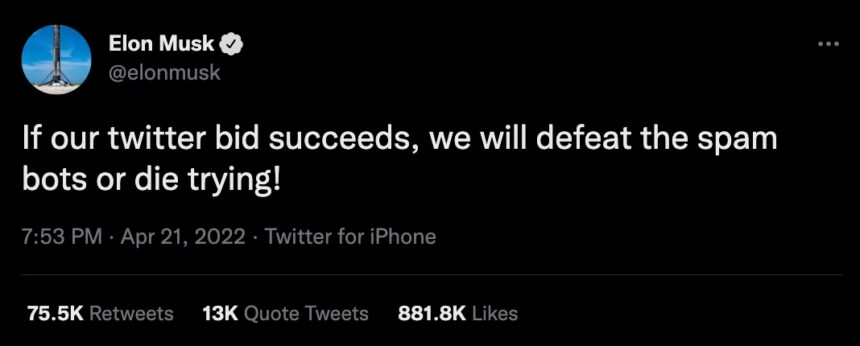
A Bay Area jury said Elon Musk crossed the line during his chaotic Twitter deal. The verdict may change how leaders talk during takeovers.
A federal jury in San Francisco delivered a sharp verdict in one of Silicon Valley’s messiest takeover fights. Jurors found that Elon Musk misled investors during his 2022 purchase of Twitter, the platform later renamed X. The case focused on Musk’s public comments about bots, spam accounts, and whether the deal was really “on hold.”
The decision did not hand plaintiffs a total sweep. Jurors agreed with some fraud claims, but rejected the idea that Musk ran a wider fraud scheme from start to finish. Even so, the result is still considered a serious loss for Musk. It opened the door to damages that news reports said could reach roughly $2.5 billion to $2.6 billion.
What’s Happening & Why This Matters
The Line Between Misleading Claims and a Scheme
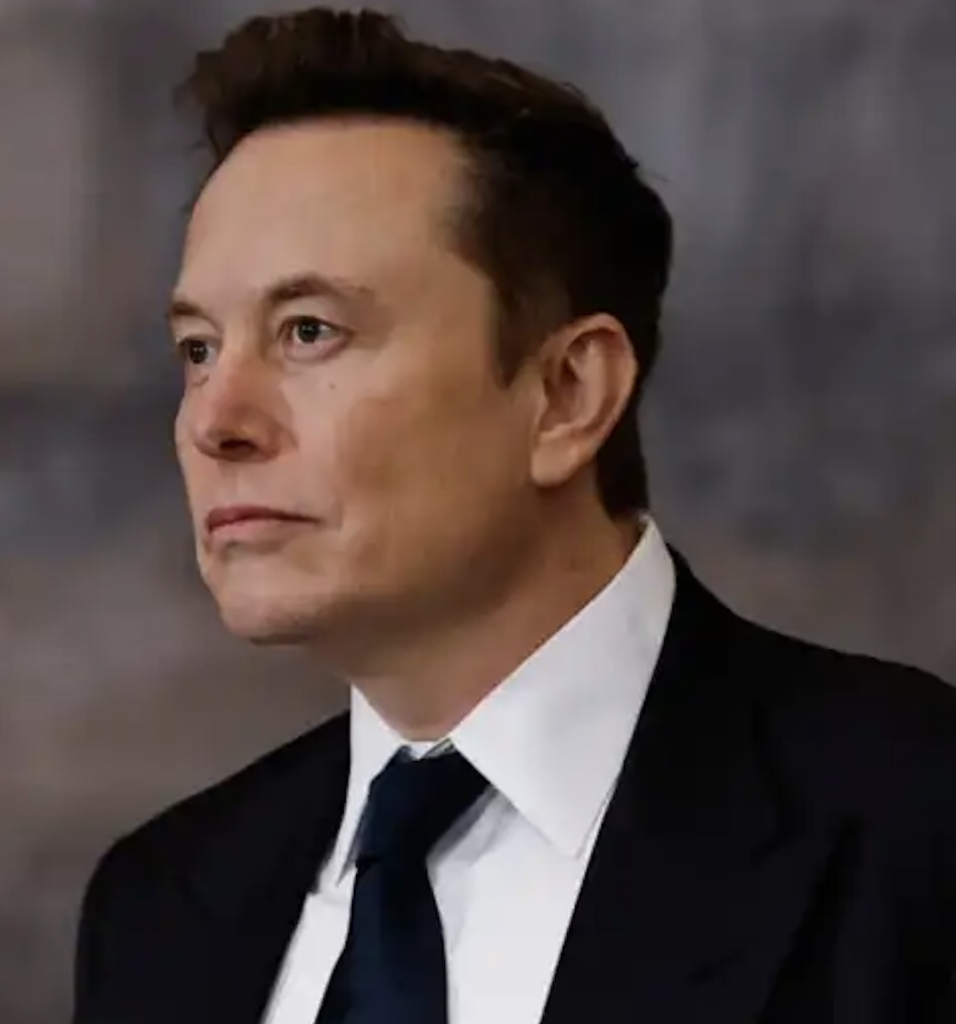
The verdict turned on a key distinction. Jurors said Musk misled investors with certain statements during the Twitter takeover fight. They did not say every statement was fraudulent. They did not say he executed a full, deliberate fraud plan across the entire deal.
That split matters. It tells the market that a court can punish specific misleading claims even when it stops short of endorsing the most sweeping version of the case. Reuters reported that the jury found Musk liable for two key statements, including the May 2022 tweet saying the deal was “temporarily on hold” and a later comment suggesting bots could exceed 20% of Twitter’s users. Those statements helped drive Twitter’s stock lower during the takeover battle.
The Associated Press reported that jurors cleared Musk on some fraud claims and on the accusation that he orchestrated a complete fraud scheme. That nuance matters because the verdict was not a cartoonish “everything he said was fake” ruling. It was more targeted and, in some ways, more powerful. It told executives that a few high-impact public comments can still carry huge legal risk.
Musk’s Own Tweets at the Heart of the Trial
This case was always about public statements. Musk did not keep his doubts quiet in boardrooms, legal filings, or banker calls. He aired them on Twitter, the very platform he was trying to buy. That choice turned a tense corporate dispute into a global spectacle.
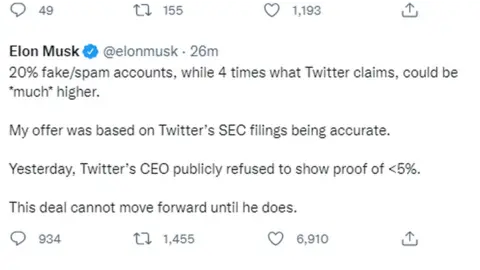
At trial, investors argued that Musk used his posts to drive down Twitter’s share price while he tried to renegotiate or escape the $44 billion deal. Ars Technica reported that the jury agreed Musk’s tweets during the takeover amounted to fraud. The Verge said the jury found two May 2022 tweets were materially false or misleading and helped trigger investor losses.
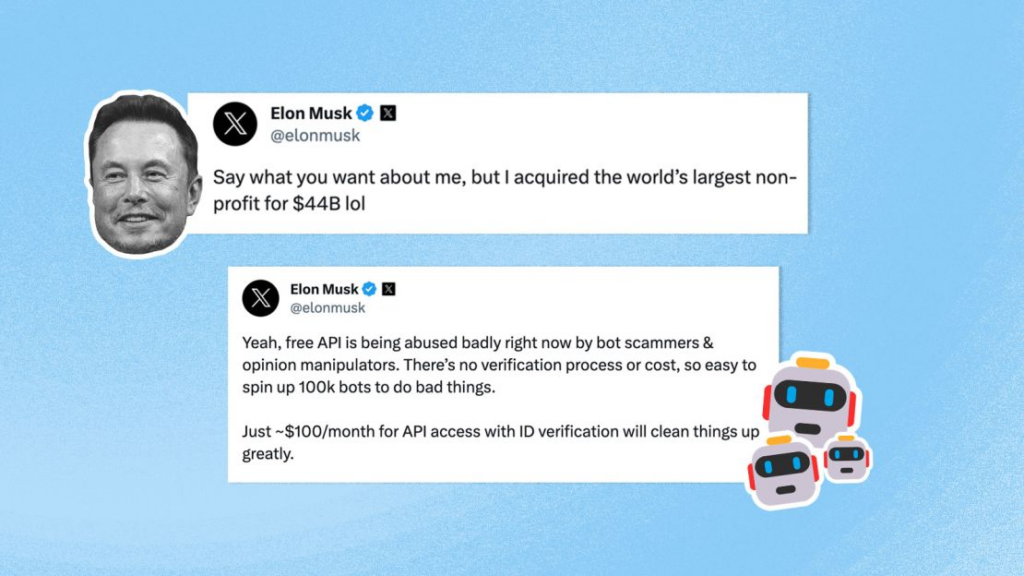
The most famous post said the deal was “temporarily on hold.” Investors said that the message was false because Musk lacked the contractual power to freeze the acquisition on his own. Other comments focused on spam bots and fake accounts. Musk argued those concerns were genuine. Plaintiffs argued they doubled as leverage. The jury did not buy his side on every point.
Investors: We Paid the Price for Musk’s Market Power
The lawsuit was brought by shareholders who sold Twitter stock between mid-May and early October 2022. They argued that Musk’s public claims depressed the stock price and hurt investors who sold shares during the uncertainty. Reuters said the stock fell below Musk’s agreed purchase price of $54.20 per share after his comments fueled doubt over the deal.
That loss window gave the case real weight. This was not a technical paperwork fight. Real investors said they sold into a falling market shaped by one man’s words. The jury agreed enough to hold Musk liable. Damages still need to be determined, but press reports said the number could climb into the billions.
That matters because Musk’s posts do not move markets the way a normal executive’s would. His reach is larger. His audience is global. His online persona is tied to multiple public and private companies. When he jokes, hints, threatens, or doubts a deal in public, traders react. The market does not wait for a footnote.
The Verdict Adds to Musk’s Long Legal Shadow
Musk is no stranger to courtroom drama. He beat a securities fraud case in 2023 over his 2018 “funding secured” Tesla tweet. That win helped build the idea that Musk could survive headline legal battles without lasting damage. The new verdict cuts the other way.
The jury’s finding does not mean Musk goes to jail. This was a civil case, not a criminal one. Still, a jury finding that a billionaire CEO misled investors during a takeover is no small bruise. It gives critics a new line of attack and gives regulators fresh political oxygen.
Reuters noted that Musk still faces a separate SEC lawsuit over the delayed disclosure of his early Twitter share purchases. In that case, the SEC said Musk waited too long to reveal he had crossed the 5% ownership threshold in 2022. The agency argues that the delay allowed him to buy additional shares at artificially low prices. Musk has denied wrongdoing there, too.
When combined, the cases paint a bigger picture. The question is no longer whether Musk courts risk. Everyone knows he does. The question is whether courts and regulators are finally gaining more traction against his style of public-market combat.
The Ruling: Will It Change How Executives Talk During Deals?
The case reaches beyond Musk. That is where the real industry lesson lies. Executives, founders, and activist investors often use social media to shape narratives during mergers, takeovers, proxy battles, and funding events. Musk took that habit to an extreme. The jury just reminded everyone that public commentary during a live deal is not a law-free zone.
The verdict could make lawyers more nervous, boards more cautious, and communications teams more aggressive about internal controls. A CEO may still speak freely, but each post can later become an exhibit. That risk rises when the speaker has an outsized influence over a stock price.
Legal experts quoted by the San Francisco Chronicle said the ruling could set an important precedent for holding powerful executives accountable when public comments move markets. That point matters for every listed company. Social media turned executives into broadcasters. The law is still catching up, but this case shows juries can follow the trail just fine.
X, Tesla, and Musk Face Brand Damage
The courtroom result carries business fallout even before damages are set. Musk spent years shaping an image as the rule-breaker who bends institutions to his will. Supporters treat that streak as proof of boldness. Critics call it recklessness. This verdict strengthens the second argument.
For X, the ruling reopens the ugliest chapter of the acquisition story. Twitter’s transformation into X has already brought brand confusion, advertiser tension, product volatility, and political heat. A jury verdict tied to misleading takeover statements keeps that old smoke in the room.
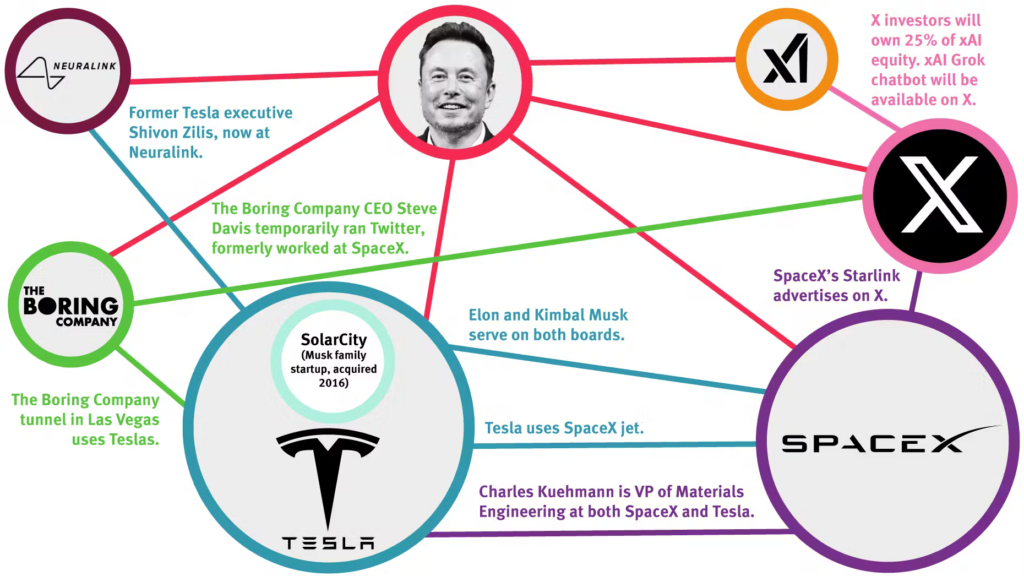
For Tesla and other Musk-linked ventures, the problem is different. Investors in those companies may ask whether Musk’s communication style creates repeated legal exposure across his empire. That question matters because his personal brand and corporate brands stay tightly connected. One headline can splash across all of them.
The Damages Phase
The verdict ended one part of the case. It did not end the story. The next major fight concerns money. Reports from AP, Reuters, and other outlets said the damage could run around $2.5 billion or $2.6 billion, though the final amount has yet to be decided.
Musk’s legal team plans to appeal. That means the battle will stretch further into 2026 and likely beyond. Appeals can trim damages, narrow findings, or reshape the legal interpretation of what counts as fraud in the circumstances. Even so, the verdict itself is already on the board.
That alone gives the case lasting value for plaintiffs, regulators, and governance watchers. A jury looked at Musk’s conduct during the Twitter purchase and found that some of his market-moving statements crossed the line. Appeal or not, that fact will follow him into the next legal fight, the next deal, and the next time he decides to post first and explain later.
TF Summary: What’s Next
The jury’s decision gave investors a meaningful win and handed Musk a rare courtroom defeat. Jurors found that he misled Twitter investors during the 2022 takeover fight, even though they stopped short of backing every fraud claim. That result keeps the damages phase alive, sharpens scrutiny on Musk’s market influence, and adds fresh pressure on how executives use social media during live corporate deals.
MY FORECAST: Musk will appeal, fight hard, and try to narrow the verdict. Even so, the ruling will echo across boardrooms, legal teams, and trading desks. Public executives will face tighter advice before posting through a major transaction. The age of “tweet first, law later” just took a punch to the jaw.
— Text-to-Speech (TTS) provided by gspeech | TechFyle