


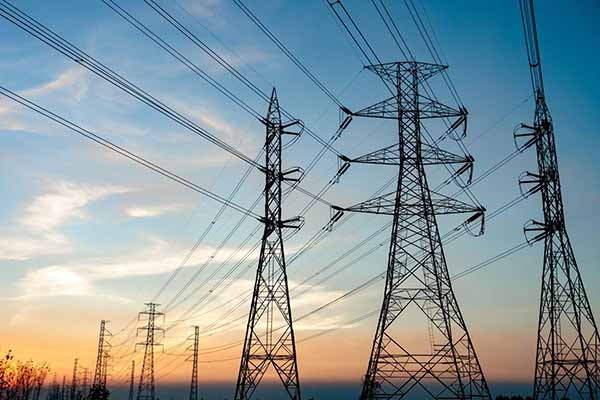
Big Tech wants a smarter grid, cheaper power, and fewer excuses from the wires.
The modern power grid has a strange habit. It acts overbuilt and underpowered at the same time. Utilities build capacity for the heaviest peaks, then leave much of that capacity idle for much of the day. Meanwhile, data centres keep multiplying, electricity bills keep rising, and everyone suddenly rediscovers that the internet runs on transformers, not vibes.
That is the logic behind a new push from Google, Tesla, and a cluster of energy and infrastructure firms that say the grid is not only strained. It is also badly used. Their new coalition, Utilize, says the answer is “greater grid utilization,” which is a crisp way of saying: use the system you already built more intelligently before you spend forever arguing over the next one.
At the same time, Tesla has won approval from Ofgem to supply electricity across Great Britain, while the White House is pressing major tech firms to bear the cost of new power generation for AI data centres. Put together, these moves point to the same larger shift. Tech companies no longer want to be mere customers of the grid. They want to shape it, profit from it, and maybe redesign the rules around it.
What’s Happening & Why This Matters
Google and Tesla Join a Coalition Built Around “Grid Utilization”
Google has teamed up with Tesla, data centre developer Verrus, Carrier, Sparkfund, Renew Home, and Span to launch Utilize, a group focused on squeezing more value out of existing power infrastructure. The coalition says it wants to advance “smarter, faster, and more affordable use of existing grid infrastructure.”

That phrase matters because it changes the usual energy argument. Most grid debates revolve around building more: more transmission, more generation, more substations, more batteries, more permits, more fights. Utilize is arguing that a lot of value is already hiding in plain sight.
Its executive director, Ian Magruder, says the grid has been built to meet peak demand even though large portions of it “sit unused for most hours of the year.” He compares that to building an airplane that only flies with full passenger loads a few times per year. He argues that this hidden excess capacity is one of the fastest, most practical levers states can pull to reduce power bills while supporting economic growth.
That analogy works because the current system often looks absurd. Build for the absolute worst hour, then let the rest of the day limp along with a lot of unused headroom. That approach made sense in a simpler grid. It makes less sense when software, batteries, heat pumps, flexible demand, and distributed energy systems can shift loads far more dynamically.
The Coalition Says the Grid Wastes Enormous Amounts of Capacity
Utilize cites research suggesting that the U.S. grid can at times use as little as 18% of its generated power. At the same time, another study points to more than 200 gigawatts of wasted power due to grid inefficiencies.
Those numbers are the attention-grabbers in this debate. If even part of that underuse is real and recoverable, the policy conversation changes quickly. Suddenly, the issue is not only “build more power.” It is also “stop wasting the power and delivery capacity you already have.”
That is where Tesla and Google both see opportunity.
For Tesla, more storage, more solar, and more dynamic electricity trading are obvious business wins. The company already lives in that space through batteries, home energy hardware, and flexible energy software. For Google, better grid access and cheaper electricity matter because AI data centres eat power relentlessly. Every improvement in grid efficiency lowers pressure on operating costs and on the political backlash surrounding new data centre projects.
So yes, these companies are arguing for something that may help the public. They are also arguing for something that may help them quite a lot.
This Is About Efficiency, but It Is Also About Influence
There is no point pretending the coalition is a charity choir. The file says it plainly: the member companies would all benefit from the changes they are promoting.
That does not make them wrong. It does make them interested.
Tesla benefits if batteries, solar, and virtual power plant logic become central to grid modernization. Google benefits if its data centres get cheaper, more reliable power. Renew Home benefits if virtual power station models gain traction. Span benefits if smart electrical panels play a larger role in managing flexible household demand. Carrier benefits if electrification and HVAC optimization move further into grid policy.
In other words, everyone came to the table with a business model in their back pocket.
That is not scandalous. It is standard. The important question is whether their preferred reforms genuinely improve public outcomes or merely shift costs and influence around. Right now, the coalition is making a plausible case that both can happen at once.
Tesla Is Moving From Cars to Electricity Supply
Tesla’s role in this story gets even more interesting in Great Britain.
The company has received an electricity supply licence from Ofgem, which means it can supply power to homes and businesses in England, Scotland, and Wales. That is a major step because it pushes Tesla beyond hardware and into retail energy.
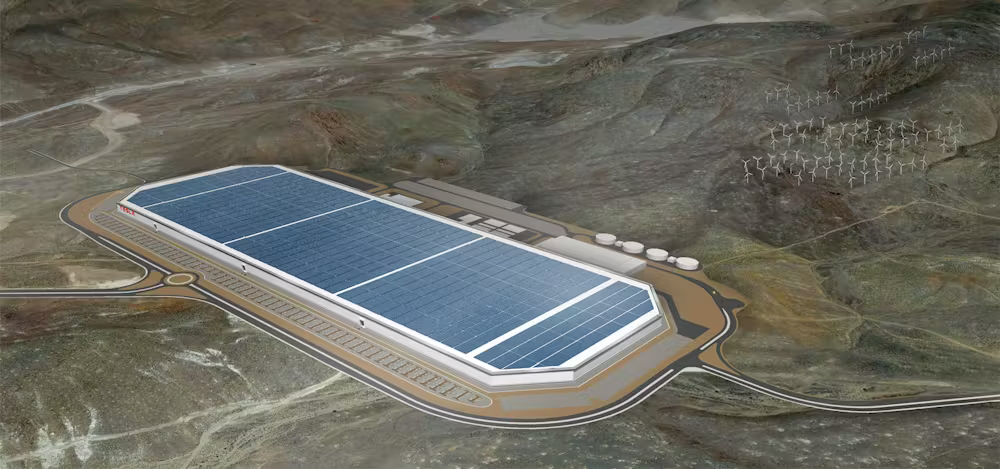
Tesla already operates an electricity business in Texas, branded Tesla Electric, which offers customers low-cost electricity while integrating home batteries and electric vehicles into a broader energy system. The Texas model includes a virtual power plant setup that allows owners to charge cars cheaply and then get paid for selling electricity stored in Powerwall home batteries back to the grid.
That model matters. It shows Tesla is not only selling vehicles and batteries. It is trying to become an electricity platform.
In Britain, Powerwall owners can already access a virtual power plant program through Octopus Energy. Tesla’s own licence opens the door for a more direct role in retail supply, though the company still cannot offer dual-fuel contracts because the licence covers electricity only, not gas.
This is how grid influence expands. First, you sell the battery. Then you help manage the electricity. Then you become the supplier. Then you start shaping the rules around how demand, storage, and price interact. Bit by bit, the old utility model gets crowded by a tech company with better software and a more aggressive sense of destiny.
Tesla’s Tricky Energy Ambition
There is an irony hanging over Tesla’s British expansion.
The file notes that Tesla has sold more than 250,000 electric vehicles in Britain, yet its car sales have slumped in the UK and much of mainland Europe. In the UK, Tesla’s February sales fell 37%, from 3,852 vehicles to 2,422, compared with the same month a year earlier. Its year-to-date market share stood at 1.34%, behind BYD at 2.64% and BMW at 5.43%.
So while Tesla pushes into electricity supply, its core automotive dominance is wobbling. That may make the energy business even more strategically important. If vehicle growth becomes more contested, recurring electricity relationships begin to look much more attractive.
Energy is steadier than hype. Utilities are boring in the way investors secretly love.
America Tells Tech to Pay for the Power It Needs
The U.S. government is also leaning into the grid story, though with a much louder political accent.
Google, Microsoft, Meta, Amazon, Oracle, xAI, and OpenAI have signed a Ratepayer Protection Pledge at the White House, agreeing to bear the cost of new electricity generation tied to their data centres. The administration says the aim is to stop big-tech power demand from pushing electricity costs onto households and small businesses.
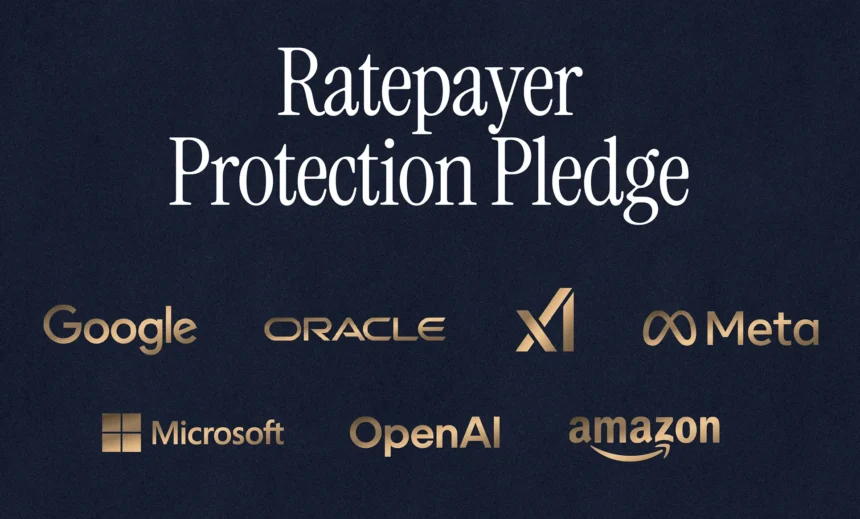
President Donald Trump says the pledge means data centres will get the electricity they need “all without driving up electricity costs for consumers,” calling it a “historic win” for American families and a way to make the electricity grid stronger and more resilient.
The pledge includes commitments from tech firms to bring or buy new power supplies, pay for upgrades to delivery systems, and negotiate special electricity rates with utilities.
That sounds neat. The file also says analysts question how such a pledge can be enforced and what real relief it will bring to households. John Quigley of the Kleinman Center for Energy Policy says the burden of proof is on the administration to show this is “more than just a stunt.”
That skepticism is fair. A pledge is not a transformer. It is not a substation. It is certainly not a solar farm or a battery stack.
The Core Bottleneck… Speed
One of the sharpest lines in the file comes from Jon Gordon of Advanced Energy United. He says the central problem is the inability to get generation online fast enough to meet data centre demand, and that “hyperscalers paying for the generation doesn’t get it online any faster.”
That is the whole knot right there.
Google, Tesla, and the broader tech sector may be right that the grid is underused in important ways. They may also be right that software, storage, and demand flexibility can unlock more capacity. But none of that eliminates the basic timing problem. AI data centres are expanding now. Grid modernization, power plant construction, transmission upgrades, and utility reform all move more slowly.
So while the coalition story sounds modern and efficient, and the White House pledge sounds reassuring, both still run into the same old villain: infrastructure takes time.
And time is exactly what the AI boom does not want to give anyone.
Tech Companies Want to Run the Energy Conversation
This is the most important takeaway.
Google is not behaving like a passive power buyer anymore. Tesla is no longer behaving like a car company. The big AI and cloud firms signing the White House pledge are not acting like ordinary utility customers either.
They are all pushing toward a new role: energy system actors.
That means influencing grid planning, distributed storage, electricity pricing, load management, and the politics of who pays for what. It also means turning the power grid into part of the competitive stack for AI, cloud, and electrified transport.
That shift will have consequences far beyond electricity bills. The companies shaping how the grid modernizes may also shape who gets access first, which technologies scale fastest, and how much control public utilities retain over the system.
The old model treated the grid as background infrastructure. The new model treats it like the next platform.
TF Summary: What’s Next
Google, Tesla, and their allies are pushing a new argument about electricity: the problem is not only how much power we produce, but how poorly we use the grid we already built. At the same time, Tesla is expanding its role from energy hardware into direct electricity supply in Great Britain, while U.S. tech giants are promising to fund a new generation of data centres under a White House-backed pledge.
MY FORECAST: The next power struggle will be led as much by tech companies as by traditional utilities. Expect more coalitions like Utilize, more virtual power plant expansion, more pressure for smarter demand management, and more political fights over whether big tech is modernizing the grid or quietly capturing it. The grid used to be the thing the internet depended on. Now it is becoming the thing the internet wants to redesign.
— Text-to-Speech (TTS) provided by gspeech | TechFyle