


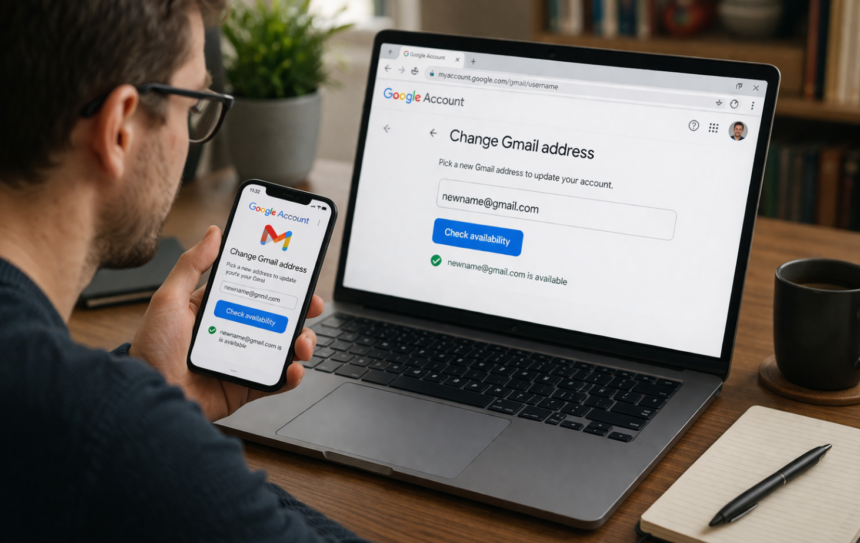
Google finally opened the hatch for every adult still chained to a Gmail name picked during the MySpace era.
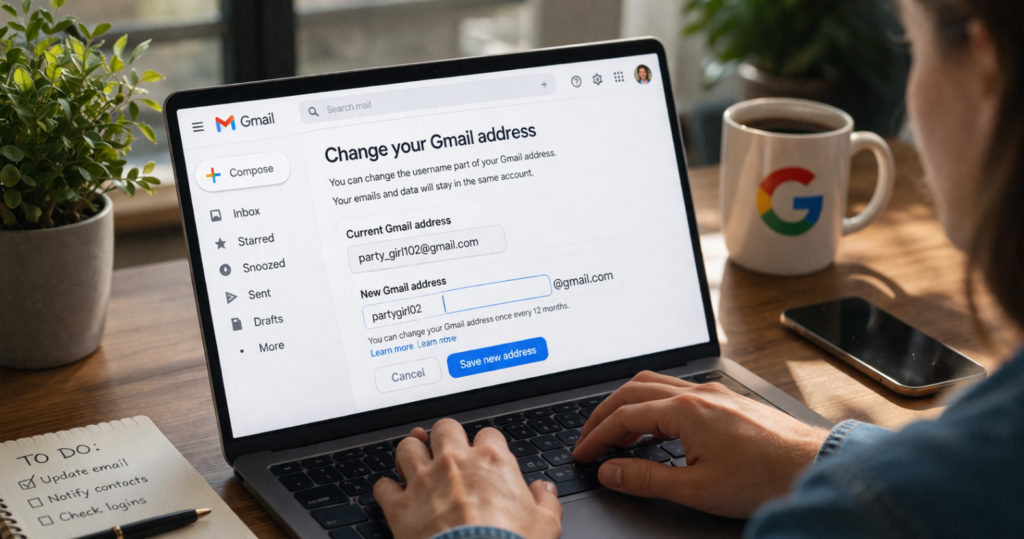
Google has finally done the obvious thing. Gmail users in the United States can change the part of an email address that sits before @gmail.com without opening a brand-new account. That means a user can dump an old joke handle, keep the same Google account, and carry over the inbox, files, photos, and sign-in access tied to that account.
That change sounds small until you remember what Gmail addresses became over the last 22 years. A Gmail username is not just a mailbox label anymore. A Gmail username is a login, identity badge, job-application detail, and digital fingerprint dragged across work, school, banking, travel, shopping, and every dusty corner of the internet. Google just admitted a hard truth: a username picked in 2004 should not haunt someone forever.
What’s Happening & Why This Matters
Google Has Finally Killed One of Gmail’s Dumbest Old Rules
For years, Gmail carried one stubborn rule that annoyed users and rewarded early bad taste. Once someone picked a Gmail address, that address largely stayed locked. A user who wanted a more serious name often had to create a new account and then deal with migration pain, broken sign-ins, missed messages, or plain confusion.
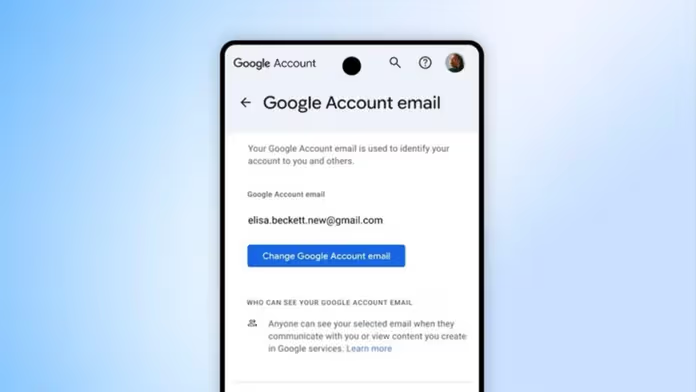
Google has changed that. U.S. users can update the Google Account username tied to Gmail, Photos, Drive, and other Google services. The old address does not vanish. Google says mail sent to the old address still arrives, and users can still sign in with both the old and new versions.
That last part gives the update real value. Google did not merely add a cosmetic setting. Google built a bridge between the old identity and the cleaner one. That is why the feature feels overdue rather than experimental.
Sundar Pichai even leaned into the embarrassment factor. He joked that users could finally say goodbye to old Gmail handles tied to weird teenage choices. Fair enough. Silicon Valley finally discovered adulthood.
The Change Fixes a Real Identity Problem, Not Just a Cosmetic One
Email once served one main job: to receive messages. That time is over. A Gmail address is at the center of a person’s online life. Job recruiters see it. Clients see it. Banks use it. Google services tie to it. Third-party apps rely on it. A silly old address can follow someone into rooms where “hotb0t123” or “living4Vibes22” is not cute and is more a form of sabotage.
That is why the feature carries more weight than a novelty tweak. Google is finally acknowledging that digital identity grows older even when the account does not. The company is giving users a way to mature without burning down the whole account structure.
There is a practical gain, too. A user no longer needs to choose between professionalism and continuity. Under the old setup, a better name often came with major hassle. Under the new setup, a better name can arrive without deleting years of data or rebuilding access across multiple products.
The point is here: Google has fixed a problem that became more embarrassing with every passing year.
Google Still Put Guardrails Around the Feature
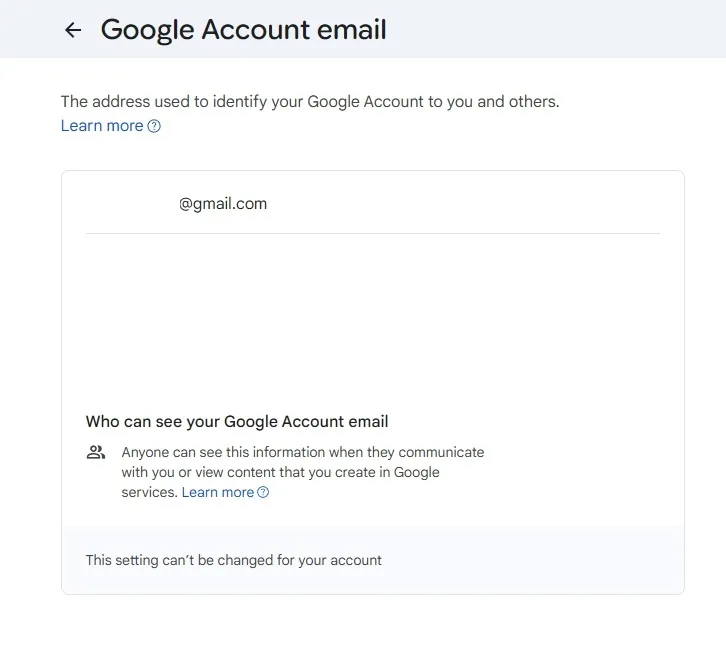
Google is not turning Gmail usernames into mood rings. The company says users can change the address only once every 12 months. The new address must be unique. The old address stays attached as an alternate. Reports suggest the user can return to the old address later, though the finer points of repeated switching are still a tad fuzzy.
That annual limit is not shocking. Google almost certainly wants to reduce spam abuse, identity churn, and account confusion. A company with billions of accounts will always fear bad actors more than minor inconvenience.
Even with the limit, the feature solves the main problem. Most people do not need to swap Gmail names every week. Most people just need one clean exit from a bad choice made during an earlier version of themselves.
Google has added a few caveats. Some linked services may take time to catch up. Some devices may need a fresh sign-in. Chromebook users, for example, may need to log out and back in. Chrome Remote Desktop connections may need to be re-added.
None of that kills the feature. None of that even dents the feature much. Those are manageable annoyances. Opening an entirely new Google account was worse by a mile.
Digital Identity Has Changed
One of the most revealing parts of the update is not technical. It is cultural. Google has clearly recognised that an email address is no longer a disposable label from internet adolescence. A Gmail username can shape first impressions for years. That makes the old no-change rule almost absurd in hindsight.
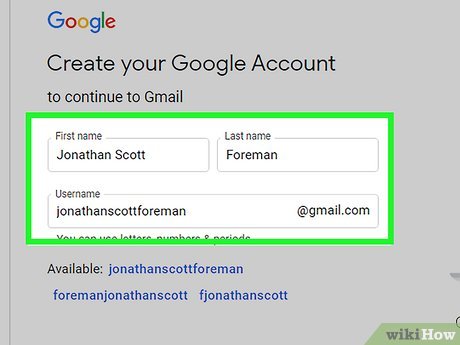
Google reportedly began testing parts of the capability earlier, including in some regions outside the U.S. The company has brought the feature into a wider U.S. rollout, though some accounts may still have to wait while access expands.
That staggered rollout tells its own story. Google knows the change touches identity, authentication, and product connections across a sprawling account system. The company wants enough control to avoid chaos, even as it tries to make the process simple.
The signs are harder to miss. Big tech firms are slowly admitting that a permanent username policy belongs to an earlier internet. People change names, careers, tastes, relationships, and public identities. The software should not act shocked when the human being attached to the account matures.
Amazingly, Gmail needed 22 years to catch up with that obvious idea.
Gmail’s New Flexibility Raises Expectations Everywhere Else
Google’s change may stir trouble for every service still clinging to old identity rules. Once users discover that Gmail can preserve data, preserve access, and still allow a name cleanup, other platforms will face an awkward question: why can’t you do the same?
That pressure could spread quickly across productivity tools, consumer apps, and social platforms. Users have grown tired of rebuilding their digital lives every time a platform refuses to modernise one old account rule. A successful Gmail transition makes the old excuses sound weaker.
The feature could even help Google in a quiet, competitive way. Gmail has always been sticky because so much lives inside a Google account. A username-change option removes one more reason for users to abandon an old address or drift toward a separate identity stack.
That may be the most Google part of the whole story. The company is helping users clean up their digital identity while tightening the grip of the account system underneath. Helpful? Yes. Strategic? Very much.
TF Summary: What’s Next
Google has finally given U.S. Gmail users a cleaner route out of old email embarrassment. Users can change the username before @gmail.com, keep the same account, preserve their data, and still receive messages sent to the old address. The feature arrives with limits, including one change per 12 months, but the main headache is gone. Gmail no longer forces people to carry a teenager’s joke into adulthood just to keep an inbox alive.
MY FORECAST: The feature will spread further, and the pressure will spill over to other platforms. Users will start expecting identity flexibility without data loss. Google will benefit because the update makes Gmail feel more mature, more practical, and harder to abandon. The deeper message will stick: digital identity is no longer a one-time joke scribbled at account creation. Even Google finally figured that out.
— Text-to-Speech (TTS) provided by gspeech | TechFyle