


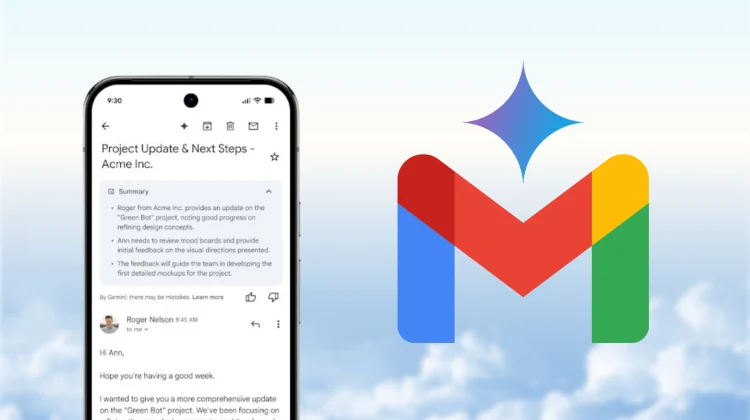
Gmail Search Starts Answering Questions
Email already went through one major reinvention when Google launched Gmail more than two decades ago. Massive storage. Fast search. Conversation threading. That change moulded how people think about email.
Today, Google is pushing Gmail through another metamorphosis. This time, the driver is Gemini AI. The company has started rolling out AI Overviews inside Gmail search, plus new writing and inbox tools that treat email less like a filing cabinet and more like a working assistant.
The update starts with paid subscribers, but the direction is obvious. Gmail won’t wait for users to hunt through messages. It answers questions directly, summarises intent, and nudges action.
What’s Happening & Why This Matters
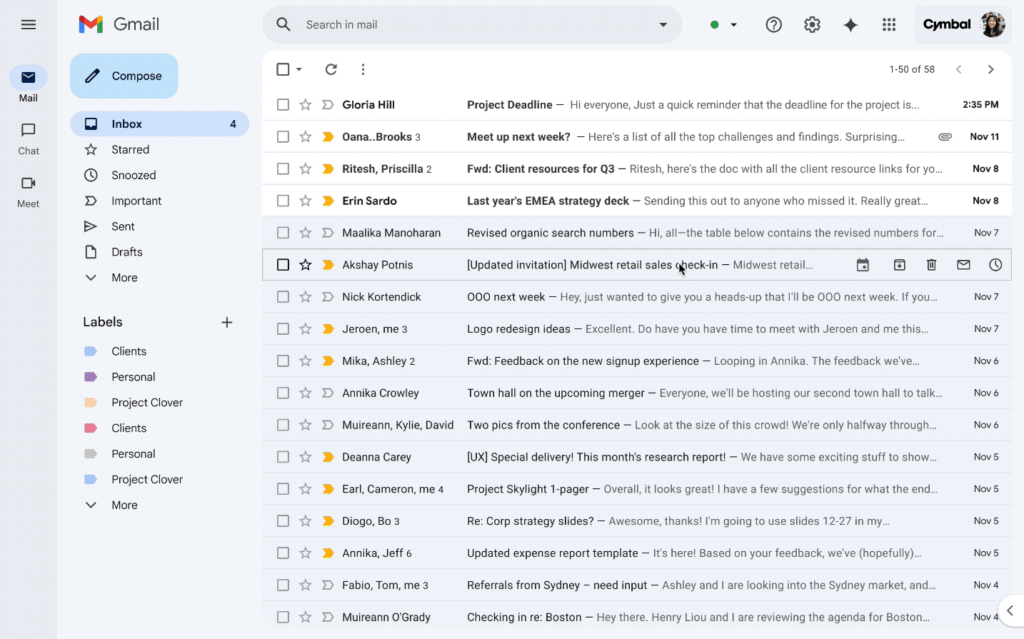
Google already tested AI summaries inside long email threads. Now that same concept moves into Gmail search itself .
Instead of returning a list of emails, Gmail now produces AI-generated answers when users type natural language queries. Ask for a past plumbing quote or who confirmed a meeting. Find which invoice included a certain amount. Gemini scans the inbox and delivers a clean response that cites the original emails.
This mirrors Google Search’s AI Overviews, but the context stays private. The model works only inside a user’s inbox, grounded in messages the user already owns. That grounding reduces risk, though accuracy still matters. A wrong answer inside email creates real-world consequences faster than a bad web search result.
Style-Aware Writing Assistance
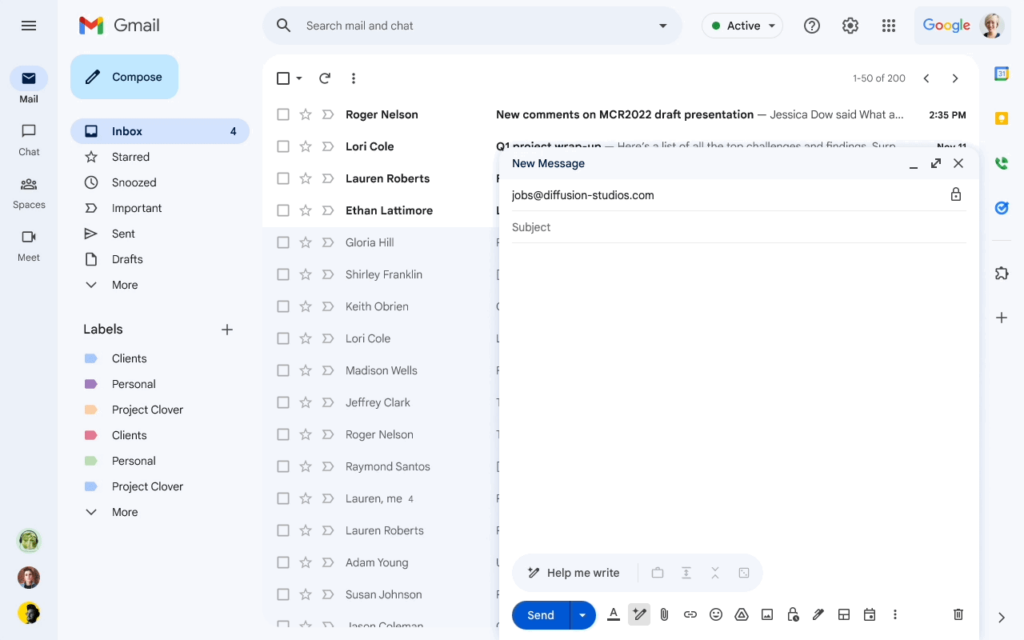
Google also expands Gmail’s writing tools. “Help Me Write” moves beyond basic phrasing. The system learns tone, structure, and habits, then offers suggestions that sound closer to the user’s voice .
Subscribers also see AI proofreading powered by Gemini 3. Suggestions appear as dotted underlines. These edits focus on clarity and flow, not just grammar. Google positions this as a step above spellcheck, though users still control every change.
The AI Inbox Begins Sorting Intent
Google previews a redesigned AI Inbox for trusted testers. This view reorganises unread mail into interactive sections.
“Priorities” surfaces messages Gemini judges urgent. “Catch me up” summarises the rest. The system attempts to separate action items from noise. That separation matters in inboxes that receive hundreds of messages per week.
Blake Barnes, Google vice president of product, frames it simply: “This is us delivering on Gmail proactively having your back.”
Privacy and Trust, Front and Centre
AI inside inboxes raises obvious questions. Google addresses this directly. The company states that Gemini’s email content does not train models. Engineers place a privacy barrier around inbox data to prevent misuse or external exposure.
Gmail faced similar concerns years ago when targeted ads first appeared. That backlash faded as safeguards improved. This moment feels similar, but the stakes run higher. AI reads faster, infers more, and acts on intent.
Understanding Your Email Behaviour
Gmail already dominates email usage worldwide. With more than three billion users, even subtle changes ripple across work and personal life.
AI Overviews reduce friction. They shorten the time spent searching and surface forgotten details. They turn email into a knowledge base that responds instantly. That changes how people write messages in the first place. When AI summarises content, clarity matters more. Structure matters more.
The inbox is also more opinionated. Gemini decides what matters first. That influence reshapes attention. Users gain efficiency, but they also cede judgment to software.
TF Summary: What’s Next
Gmail operates less like an inbox and more like an assistant. Search answers questions. Writing adapts tone. The inbox prioritises intent. These changes reduce email fatigue while increasing reliance on AI judgment.
MY FORECAST: Gmail becomes the reference model for AI-assisted communication. Competing email platforms follow fast. Users stop searching inboxes manually. They ask questions instead. Email shifts from storage to conversation.
— Text-to-Speech (TTS) provided by gspeech