



Lightning Production Shifts Toward Extended-Range Electric Vehicles (EREVs)
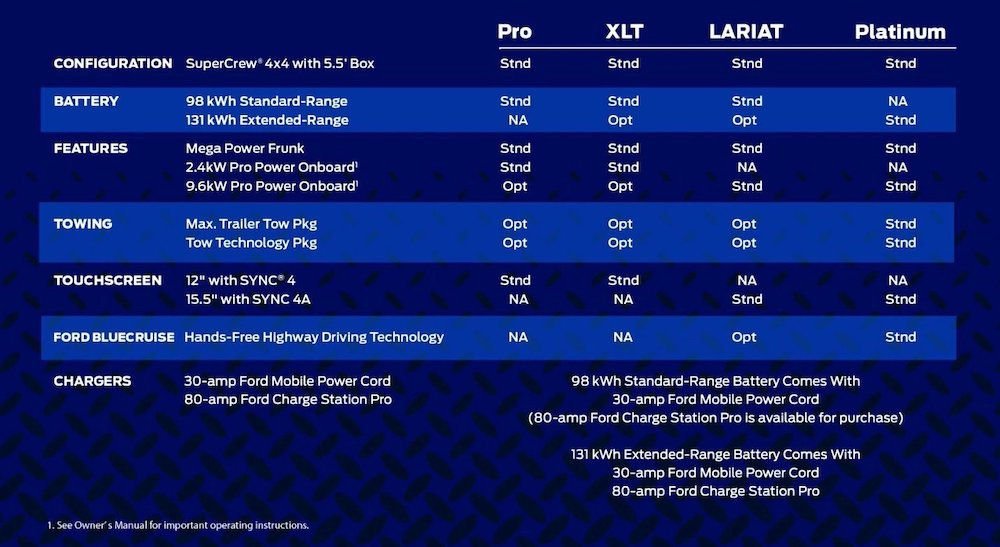
Ford pulled the plug on its all-electric F-150 Lightning as the automaker resets its EV strategy. Ford is pivoting toward hybrids and repurposing battery plants for data centres. It’s an abrupt turn for one of the most high-profile electric pickups ever launched.
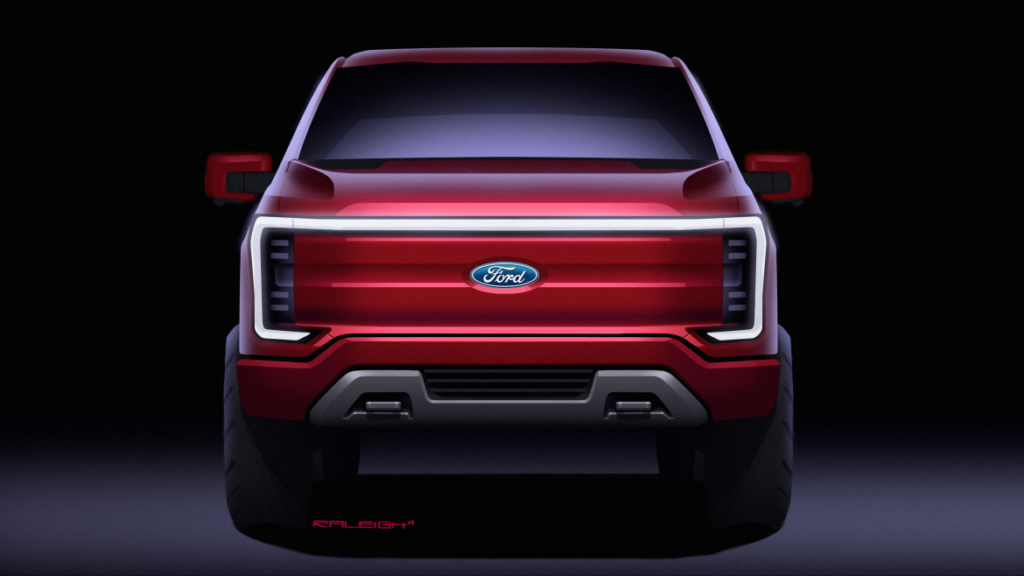
The Ford F-150 Lightning once symbolized Detroit’s electric ambition. Ford confirms it will end full battery-electric production of the Lightning and focus on extended-range electric vehicles (EREVs), hybrids, and lower-cost platforms. At the same time, Ford is redirecting billions into battery manufacturing for energy storage and data centers, not vehicles.
The decision comes as U.S. EV demand cools, towing expectations are high, and infrastructure gaps persist.
What’s Happening & Why This Matters

Ford halting F-150 Lightning assembly and reallocating workers to gas and hybrid truck lines is a sign of the times. The company states that customers view long-distance towing and range certainty as non-negotiable. Pure EV pickups struggle there. Ford’s leadership states the change as realism, not a retreat.
Doug Field, Ford’s chief EV, digital, and design officer, says the next Lightning iteration returns as an EREV. The vehicle maintains electric torque while adding a gasoline generator to charge the battery. Ford targets 700+ miles of range with heavy-duty towing intact. “It tows like a locomotive,” Field says.
EREVs and Hybrids
The strategy accommodates market demands. U.S. buyers are embracing hybrids faster than full EVs. Charging anxiety, cold-weather range loss, and payload limits weigh heavily on pickup owners. Ford is leaning into series-hybrid EREVs, which deliver electric driving without charging dependence.
Ford expects about 50% of global volume to come from hybrids, EREVs, and EVs by 2030, up from 17% today.
Plants Become Data-Center Powerhouses
Ford is also repurposing its battery footprint. The Kentucky plant converts to produce prismatic lithium iron phosphate (LFP) cells for data centers and grid storage, not vehicles. Ford invests $2 billion to bring the facility online within 18 months, targeting 20 GWh of annual output.
The changes mirror market influences. AI workloads strain grids. Data centers crave stable, scalable storage. Ford is filling that void.
Financial Impact and Operational Reset
The transitions carry a price. Ford projects $19.5 billion in charges through 2027, including $5.5 billion in cash. Most of the hit lands late 2025. Plants in Tennessee and Ohio are starting conversion back to gas trucks and commercial vehicles, with timelines stretching several years.
The company still plans a universal EV platform, aiming for a $30,000 electric pickup by 2027, far below the Lightning’s prior entry price.
TF Summary: What’s Next
Ford narrows its EV bet and widens its energy play. The F-150 Lightning exits as a full EV and returns as an EREV built for range and work. Battery plants redirect toward data-center storage, where demand exceeds truck sales.
MY FORECAST: Ford’s hybrid-first reset stabilizes margins and aligns with buyer reality. The real growth engine shifts from driveways to server farms. Expect more automakers to follow this split strategy — electric where it fits, hybrid where it sells.
— Text-to-Speech (TTS) provided by gspeech