



AI Infrastructure Is Under Pressure from Pricing, Politics, and the Public
AI no longer lives solely in apps and on screens. It lives inside massive buildings. Concrete. Steel. Fiber. Power lines. Water pipes. Data centers now sit at the physical core of the AI economy, and governments, communities, and regulators are starting to ask hard questions about what that means.
Across the U.S. and Europe, lawmakers scrutinize how fast AI infrastructure expands, how much energy it consumes, and who ultimately pays the price. The debate shifts from abstract algorithms to very real land, power, and public impact.
What’s Happening & Why This Matters
Data centers scale at unprecedented speed as AI adoption accelerates. Training and running large models demand enormous computing power. That demand translates directly into electricity usage, water consumption, and land acquisition.
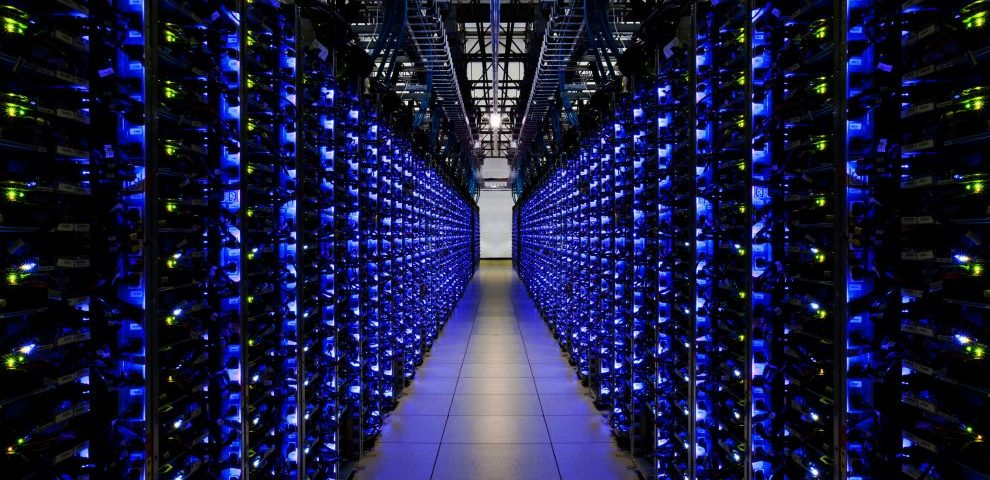
U.S. Senator Bernie Sanders calls for a pause on new AI data center construction. He argues that democracy needs time to catch up with technological growth. His concern centers on job displacement, environmental strain, and the concentration of power among a small group of tech giants. Sanders frames AI infrastructure as an economic force, not just a technical one.
At the same time, federal leadership pushes in the opposite direction. The White House backs rapid data center expansion to secure AI leadership and reduce dependence on foreign infrastructure. That tension defines the current moment. Speed versus oversight. Innovation versus impact.
Energy, Water, and Community Impact
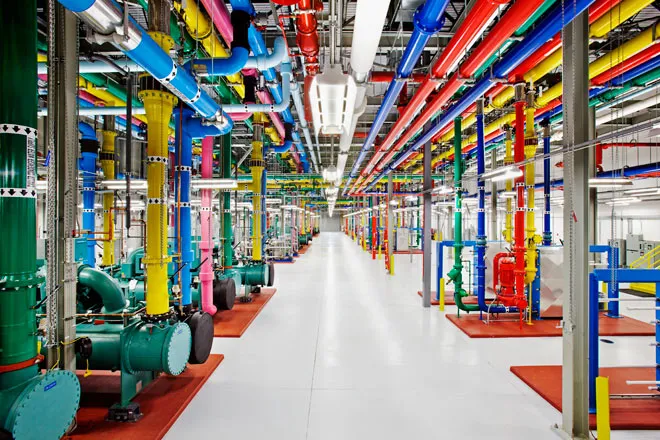
AI data centers consume staggering amounts of electricity. Even mid-sized facilities rival the power usage of tens of thousands of homes. Larger campuses push far beyond that threshold. Water usage follows the same curve due to cooling requirements.
Communities near these sites raise concerns about rising utility costs, persistent noise, and environmental stress. Local governments face pressure from residents while weighing tax revenue, job creation, and federal incentives.
Environmental groups amplify these concerns. They warn that unchecked AI infrastructure demands collide with climate goals and strains aging power grids. Data centers no longer hide in industrial zones. They shape regional planning decisions.
AI Adoption Climbing In the Workplace
While infrastructure expands, AI usage inside organizations rises just as fast. Workplace adoption doubles within two years. Knowledge workers lead the shift, especially in technology, finance, and professional services.
Employees use AI most often to summarize information, generate ideas, automate repetitive tasks, and assist with writing or coding. Daily usage still remains limited, but trends point upward as tools mature and integrate more deeply into workflows.
Engagement matters because infrastructure demand tracks usage. Every new AI-powered workflow drives data center capacity higher. The physical footprint increases alongside digital adoption.
Regulation Lags Behind Reality
Lawmakers struggle to keep pace. Some propose reporting requirements tied to AI-driven job losses. Others target specific risks, such as AI companions for minors. Few address infrastructure directly.
That gap fuels the current debate. Governments regulate emissions, utilities, and zoning. AI data centers touch all three. Yet policy frameworks remain fragmented.
The question no longer asks whether AI transforms society. It asks whether society is prepared for the transformation.
TF Summary: What’s Next
AI infrastructure moves from background utility to political flashpoint. Data centers define the real-world cost of digital intelligence. Power grids, water systems, and communities are all part of the AI conversation.
MY FORECAST: Governments introduce infrastructure-specific AI regulations within the next 18 months. Energy reporting, water usage disclosure, and regional capacity limits emerge first. AI expansion continues, but the era of invisible growth ends.
— Text-to-Speech (TTS) provided by gspeech