


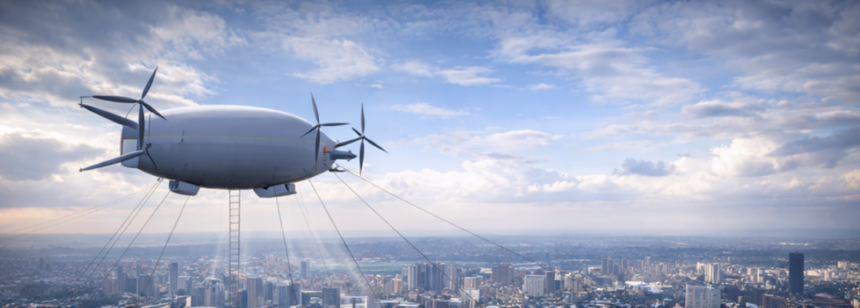
High-altitude wind power is emerging as the next frontier for clean energy infrastructure.
China is testing something that sounds like science fiction but lands firmly in the real world of energy engineering. The country is deploying turbine systems at high elevations to generate electricity. Think of it as a “power station in the sky.”
Instead of building massive land-based or offshore wind farms, the systems capture stronger, more consistent winds thousands of feet above the ground. That matters because wind at altitude behaves differently. It blows harder. It blows longer. And it does not stop as easily.
This is not a hobby project. China treats airborne wind energy as a serious energy strategy. The goal is simple: produce more renewable electricity with fewer land constraints, fewer towers, and a faster path to scale.
The world is watching closely because this experiment touches energy security, climate goals, and the future of how nations power their cities.
What’s Happening & Why This Matters
China now tests what engineers call airborne wind power turbines. These systems operate like flying generators. They stay tethered to the ground. They use high-altitude winds to spin turbines or move wing-like structures that convert motion into electricity.
Airborne power generation is not the same as a typical windmill. A traditional wind turbine needs a tall tower, large blades, and a fixed location. A flying turbine works differently. It moves through stronger wind streams in the sky. That gives it access to energy that standard wind farms cannot reach.
China’s work is an unconventional, yet innovative, form to next-generation renewable power.
China Expands High-Altitude Wind Energy Experiments
China already leads global wind and solar deployment. Now it pushes beyond standard infrastructure.
The country tests turbine systems that fly like kites or drones while remaining anchored by strong cables. These cables serve two roles. They keep the system stable. They also transmit electricity down to the ground.
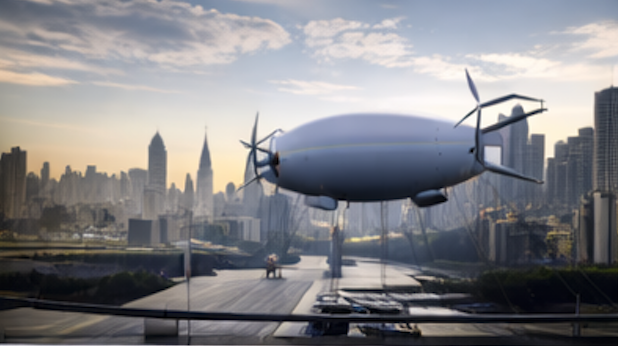
This approach reduces the need for steel towers and large foundations. It also opens new deployment zones. Mountain regions, remote plateaus, and crowded coastal areas all become more viable.
Energy experts describe airborne wind as one of the most promising “frontier renewables” because it leverages a massive, underutilized resource: wind above the surface layer.
The International Energy Agency (IEA) notes that wind is among the cheapest renewable energy sources, but innovation must continue to meet demand and consumption.
As the IEA explains: “Renewables are set to account for nearly all global power capacity growth.” That includes new forms of wind capture.
Why Flying Turbines Matter for Grid-Scale Power
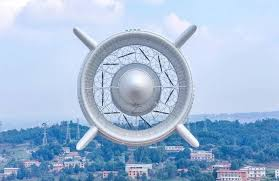
Wind power works best when the wind is steady. The problem is that ground-level wind fluctuates. It changes with terrain, buildings, and weather patterns.
High-altitude winds stay more consistent. That gives airborne turbines a key advantage:
- Higher capacity output
- More predictable generation
- Smaller physical footprint
China’s testing focuses on whether these systems can produce reliable electricity at scale. That is the central question. Innovation only matters if it connects to the grid and performs year after year.
If China succeeds, airborne wind may offer a serious tool for national power planning.
It also retools global competition in clean energy technology.
A “Flying Power Station” Concept Moves Toward Reality
The idea of a flying turbine has existed for years. Engineers in Europe and the U.S. have tested prototypes. Companies such as Makani (formerly owned by Alphabet) explored similar designs.
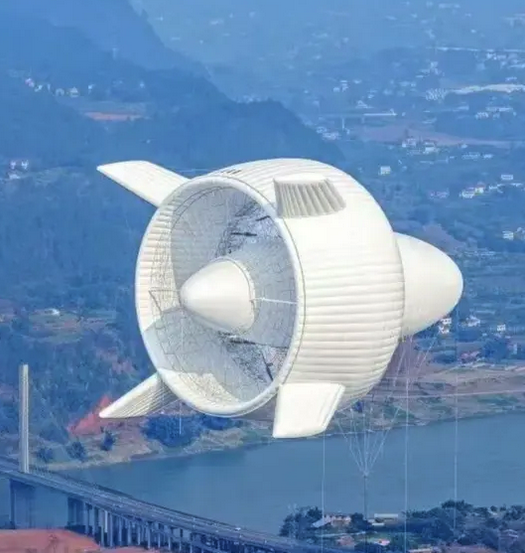
China now pushes the concept further with state-backed resources and industrial scale. That changes the pace.
A flying turbine system includes:
- A wing or rotor device in the air
- A tether cable connected to the ground
- A generator system that converts motion into electricity
- Control software for stability and navigation
It blends aerospace engineering with renewable energy design. This is where the future gets weird in the best way. The energy sector now borrows ideas from aviation, robotics, and AI control systems.
Energy Security Drives the Push
China’s interests are not solely climate-focused. It is strategic. Energy security matters. Nations want domestic power sources that reduce reliance on imported fuels.
Airborne wind energy provides an additional layer of resilience.
China already invests heavily in:
- Solar manufacturing
- Offshore wind expansion
- Nuclear energy growth
- Grid modernization
Flying turbines add another experimental pillar. If successful, China gains advantages in intellectual property, export potential, and domestic capacity.
Challenges Still Stand Tall
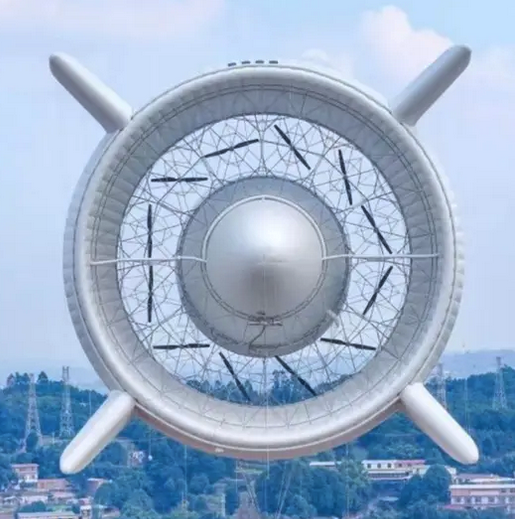
This technology remains early. Flying turbines face real engineering problems: Weather risk matters. Lightning, storms, and turbulence create danger.
Maintenance becomes harder. A turbine in the air requires new service models. Airspace regulation adds complexity. These systems must avoid aircraft zones. Grid integration remains difficult. Power output must be stable enough to support large networks.
Still, China tests now because energy transitions reward early movers. As BloombergNEF analysts often note, the clean energy race belongs to countries that scale technology fastest, not just those that invent it first.
Global Implications for Renewable Innovation
If China proves airborne wind works, other nations follow. Europe already explores offshore airborne wind to reduce costs. The U.S. is hunting for new renewable breakthroughs as electricity demand rises from AI data centers and EV charging.
Emerging markets want power solutions that avoid heavy infrastructure costs. Airborne wind fits that gap. This is why the story matters beyond China.
It is not just a turbine experiment. It is a new model of energy generation.
TF Summary: What’s Next
China’s testing of a flying power-station turbine shows how rapidly renewable energy innovation is changing. Airborne wind systems promise stronger winds, smaller footprints, and new deployment options. The technology still faces engineering and regulatory hurdles, but China treats it as a serious national energy frontier.
MY FORECAST: Airborne wind moves from prototype to pilot grids within five years. China sets the pace, and global clean energy competition follows fast.
— Text-to-Speech (TTS) provided by gspeech | TechFyle