


CES has always acted as a temperature check for the tech industry. In past years, the show captured moments when smartphones peaked, when TVs ballooned in size, and when smart homes first crept into everyday life. CES 2026 looms at another turning point. AI stopped being a feature and started evolving infrastructure. That context remakes everything about this year’s show.
Early signals already point toward a CES where hardware, software, and data are coupled more tightly than before. Exhibitors spent the past year folding AI into products that already exist, rather than pitching wild concepts. CES 2026 furthers that mindset. CES focuses less on spectacle and more on how technology actually lives inside homes, vehicles, factories, and cities.
What’s Happening & Why This Matters
AI Everywhere, Not Just On Stage

In the lead-up to CES 2026, major players framed AI as a baseline expectation rather than a premium add-on. Samsung will open the week with a Sunday keynote centered on AI woven through TVs, appliances, and everyday devices. Executives describe systems that respond to context, anticipate needs, and reduce friction in daily routines.
That framing is vital. It indicates a paradigm shift from novelty to normalization. Instead of asking whether AI belongs inside a fridge or television, brands say how quietly and reliably it performs. This is a maturation for consumer AI, where trust and consistency outweigh flash.
Samsung’s preview also hinted at practical outcomes. Smarter energy use. Predictive maintenance. Interfaces that fade into the background. Those themes echo across the show floor.
Nvidia Sets the Pace For AI Infrastructure

If Samsung frames AI as a household companion, Nvidia considers it as industrial muscle. CEO Jensen Huang will take the CES stage to outline what comes next for large-scale compute, robotics, and simulation. His keynote anchors expectations for data centers, enterprise AI, and next-generation graphics platforms.
Recent history adds weight to his appearance. Nvidia spent the past year powering global AI expansion, from cloud platforms to sovereign compute projects. CES 2026 gives Huang a chance to connect that momentum to consumer experiences, autonomous systems, and creative tools. The message stays consistent: AI advances scale only as fast as compute, energy, and networks allow.
This perspective reshapes CES itself. The show no longer divides neatly between consumer gadgets and enterprise tech. Infrastructure now dictates what consumers eventually touch.
Hardware In the Back Seat, Design Leads
CES 2026 does not chase massive silicon reveals. Instead, it emphasizes refinement. Displays grow more efficient. Wearables grow lighter. Interfaces grow more conversational. The lack of blockbuster chip launches shifts attention toward integration and design discipline.
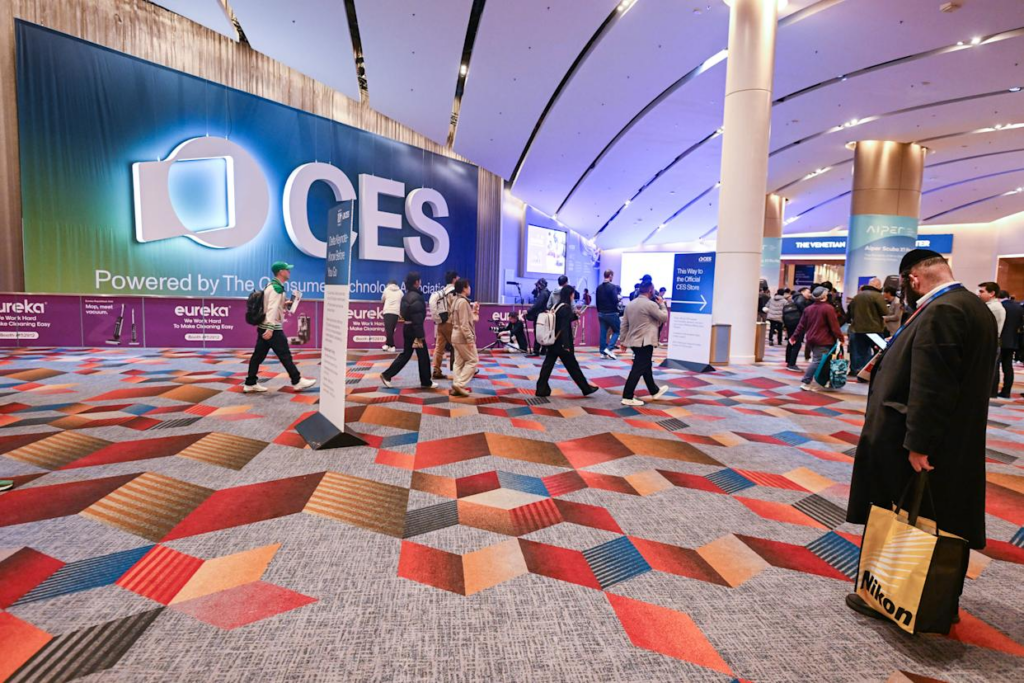
Automotive technology continues its steady presence. Driver assistance systems, in-vehicle AI, and infotainment platforms feel less experimental and more regulatory-ready. Robotics also gains ground, especially service robots designed for logistics, healthcare, and hospitality.
Across categories, one theme repeats: products feel closer to deployment than demonstration. CES 2026 looks less like a lab and more like a preview of retail shelves.
Why CES 2026 Carries Extra Weight
CES always claims relevance, yet not every year delivers. 2026’s edition brings heft because it answers a simple question: what happens after AI hype fades. The answer appears straightforward. AI blends into systems people already rely on. The show reflects an industry focused on durability, scale, and long-term trust.
That direction subtly hints at regulatory and social pressures. Companies openly discuss reliability, transparency, and safety. Those topics are yoked to performance metrics rather than trailing them.
TF Summary: What’s Next
CES 2026 confirms a clear pattern. Technology no longer competes on surprise alone. It competes on integration, resilience, and usefulness. AI is beyond a headline attraction — it’s supporting architecture — while hardware and system design reclaim some polish.
MY FORECAST: CES 2026 enhances a quieter phase of tech innovation. Products shipping later this year reflect refinement rather than reinvention. The next competitive edge emerges from reliability, energy efficiency, and trust, not spectacle.
— Text-to-Speech (TTS) provided by gspeech