


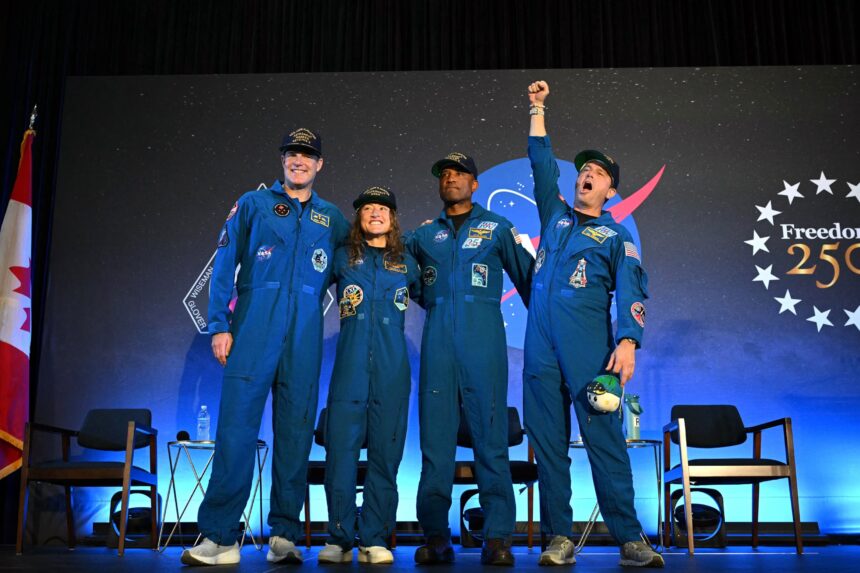
NASA pulled off a clean crewed Moon run. The applause is deserved. Now it is time for conversation: what comes next?
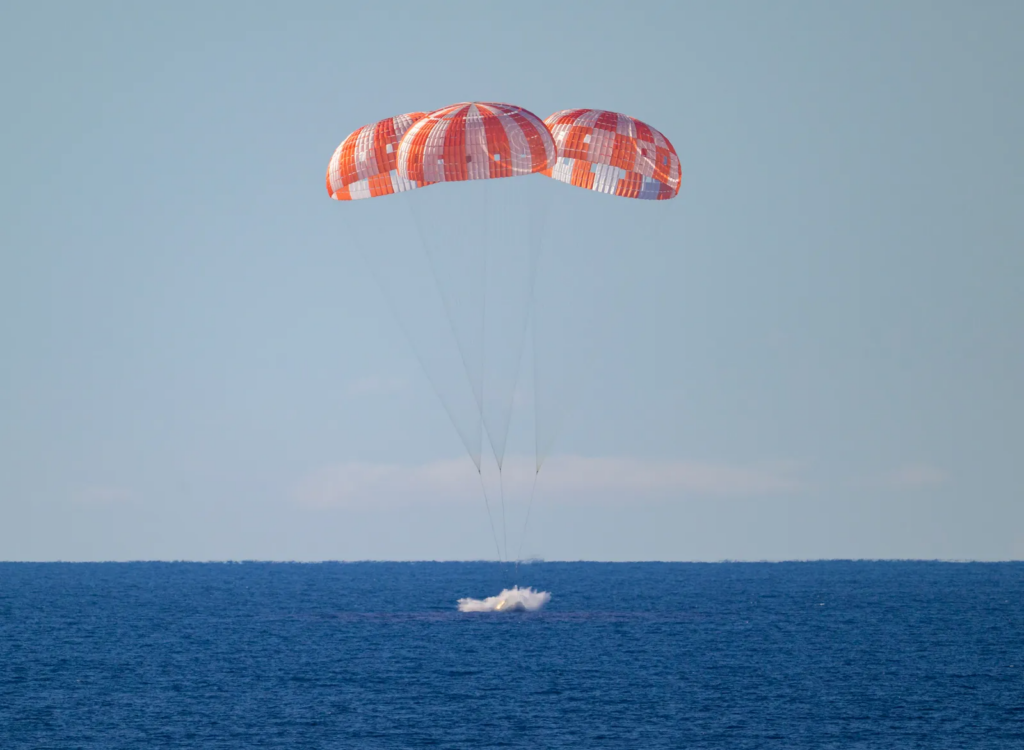
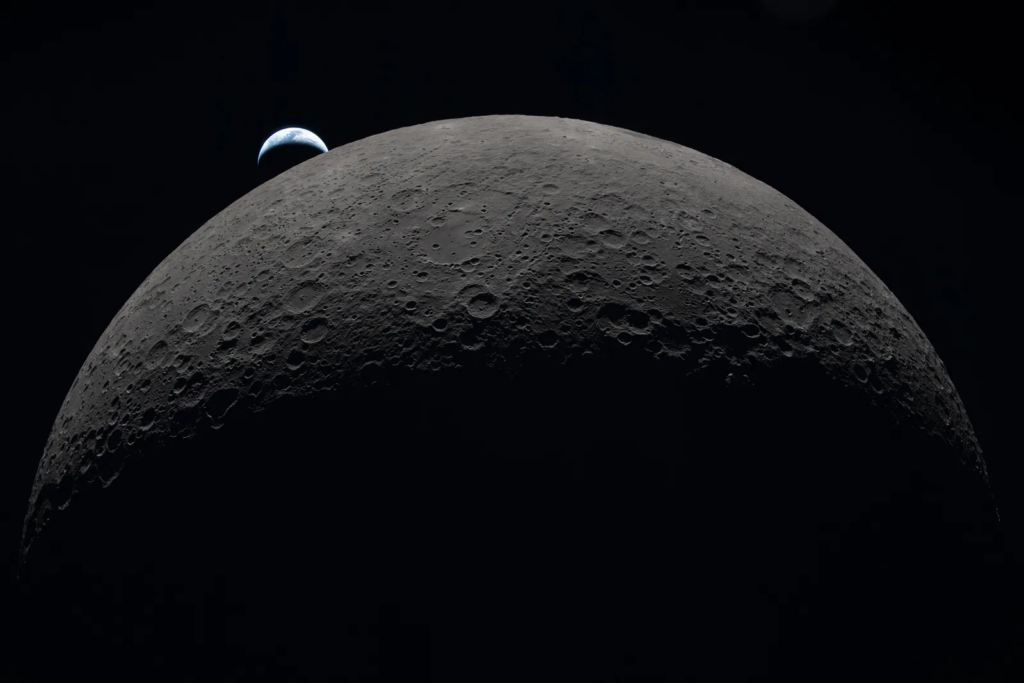
Artemis II has returned safely to Earth, and NASA has every right to enjoy the moment. The mission carried four astronauts around the Moon and back, then splashed down in the Pacific near San Diego at 5:07 p.m. PDT / 8:07 p.m. EDT on 10 April 2026. The flight lasted nearly 10 days and marked the first crewed lunar mission since 1972.
That alone makes the mission historic. Yet the bigger point is simpler. Artemis II not only revived a memory from the Apollo era. It proved that NASA can still send people into deep space, keep the mission under control, and bring the crew home alive. In a program that has faced delay, cost pressure, and public doubt, that is a very big deal.
What’s Happening & Why This Matters
NASA’s Clear Lunar Win
NASA has needed a clean success for a while. Artemis has often sounded like a grand plan wrapped in delay. Artemis II changed that mood. The mission launched on 1 April 2026, reached lunar distance, completed a successful flyby, and returned home without the kind of system failure that would have rattled the public or Congress.
The crew ventured farther from Earth than any humans in history, reaching about 252,756 miles (406,772 km) from home at the mission’s farthest point. That distance record shows this was not a symbolic low-risk event. NASA sent four people into deep space, beyond the comfort zone of low Earth orbit, and the full stack held together.
The outcome resets the conversation. Critics can still attack the budget. They can still question the timeline. It gets much harder to say the lunar plan is only PowerPoint and nostalgia. NASA has a real flight, real data, and a safe return. That gives the program more political oxygen than it has had in years.
Orion Has Earned More Respect
The Orion spacecraft had a lot riding on this trip. Before Artemis II, Orion had already flown around the Moon without a crew. Useful, yes. Crewed missions are different. Once people are inside the capsule, every flaw becomes heavier, every delay is worse, and every small failure gets louder.
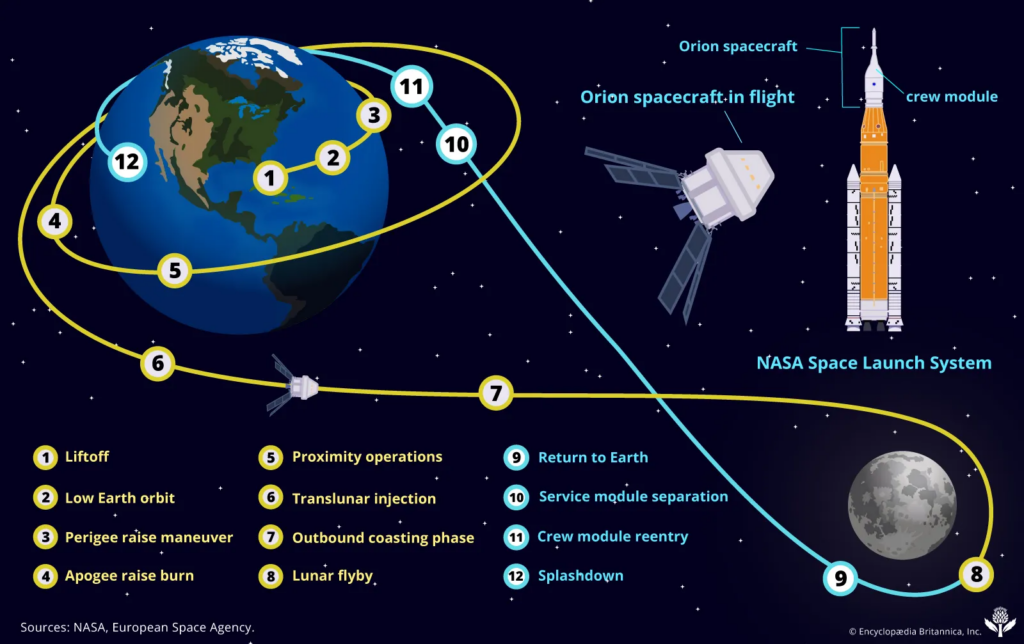
This time, Orion did its job. It handled the outbound burn, the lunar flyby, the return trajectory, re-entry, and splashdown. The fact that one of the most talked-about mission annoyances was a toilet-related waste issue says something useful by itself. When plumbing gets more headlines than propulsion, navigation, or life support, the spacecraft is probably doing fine.
Orion is not some one-mission novelty. Orion is the crew vehicle for the Artemis era. If the capsule had appeared shaky here, the rest of the Moon program would seem shaky too. Instead, Orion came home more mature, credible, and ready for the harder missions ahead.
That does not mean the engineering questions are gone. Every system will be reviewed thoroughly. NASA will go over the data in painful detail. Still, the public takeaway: the spacecraft is viable, not theoretical.
Artemis III Is Where the Real Pressure Begins
A safe flyby is a win. A lunar landing is the real prize.
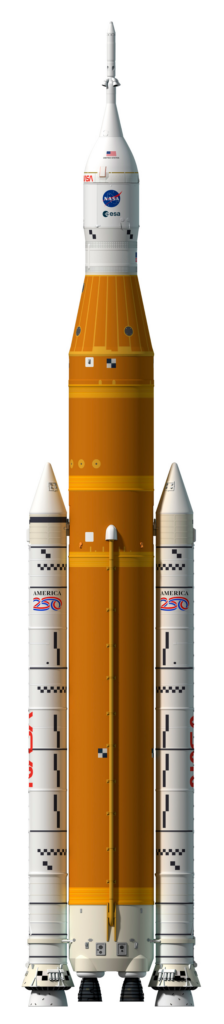
That is why the next phase is so crucial. Artemis III is supposed to send astronauts back to the Moon’s surface, not just around it. That leap is much harder. It adds landing systems, surface operations, tighter coordination, and a heavier dependency on outside partners. NASA has already indicated a more cautious step-by-step approach before committing to the full landing architecture. That is smart. Bravado is not a landing strategy.
The difference between Artemis II and Artemis III is not only technical. It is structural. NASA is no longer doing all of this within a single neat government box. The future missions lean heavily on commercial partners, especially for human landing systems and supporting infrastructure. That makes the program more flexible but also more fragile.
A clean flyby proved NASA can still lead a major deep-space mission. A successful landing will prove whether NASA can lead a much messier coalition of government systems, private hardware, contractors, schedules, and competing egos. That is a bigger leadership test than many people realise.
The Moon First. Mars Is Still Far Away
A lot of public space talk jumps straight to Mars. Mars sounds bigger. Mars sounds heroic. Mars sounds like destiny. Fine. The Moon is still the practical next chapter.
Artemis II reinforces that. The Moon is the nearest serious proving ground for long-duration human operations beyond low Earth orbit. It is where NASA and its partners can test hardware, navigation, communications, power systems, crew endurance, logistics, and emergency planning before trying something even more brutal.
Mars will multiply every problem. Rescue options will be weaker. Delays will be longer. Hardware failure will be more impactful. Isolation will be more intense. The Moon is where mistakes need to happen first, because Mars is where mistakes are mission-ending.
That is why Artemis II is more than symbolism. The mission does not only revive lunar travel as an idea. It restores the Moon as a practical bridge to deeper space. It says the route is open again. The next question is whether the route is routine or stalls after one glorious return.
Space Travel: More Commercial, More Political
The world around Artemis is not the world Apollo knew.
The old Moon race was a government-led superpower contest. The new one is more crowded and more commercial. Governments still have sway. Private firms carry real hardware responsibility. National security, industrial policy, launch economics, and geopolitical competition are inside the same room.
That changes what “space travel” means.
NASA is trying to build a repeatable pathway back to the Moon and eventually outward from it. At the same time, commercial firms want roles in landers, logistics, stations, launch, communications, and resource access. Other countries, especially China, are moving with their own lunar ambitions. That means the next era of human spaceflight will not be a clean patriotic narrative. It will be a blend of science, politics, business, and strategy.
Artemis II may be remembered as the mission that reopened the lunar door. The missions that follow will show who gets to walk through it, who pays for it, and who stays there.
After the Splashdown
This is the least glamorous truth in the whole story: the safe return is the end of the mission and the start of the real pressure.
NASA has to turn a highly visible success into lasting momentum. That means protecting budgets, reviewing hardware honestly, holding partners to timelines, and keeping the public engaged once the novelty fades. One successful flight helps the program. One successful flight does not solve the structural headaches around cost, politics, procurement, and execution.
The Space Launch System is still expensive. Orion is still expensive. Commercial dependencies still introduce risk. Congress will still meddle. The next missions will still be harder.
So the key post-mission question is not, “Did NASA win?”
The real question is, “Can NASA build on the win before cost, delay, or politics start draining the energy again?”
Artemis II gave NASA a rare, clean, and deserved success. The harder job is making sure the success means something five years from now, not only five days.
TF Summary: What’s Next
Artemis II returned safely after a nearly 10-day journey around the Moon, giving NASA its clearest crewed deep-space success in decades. The mission validated the Orion spacecraft, proved the agency can still execute a high-stakes lunar flight, and gave the Artemis program a badly needed shot of credibility. For the first time in years, NASA’s Moon plan is less like a promise and more like a path.
MY FORECAST: The celebration will fade quickly, and the pressure will move straight to Artemis III. That mission will decide whether NASA can turn one safe flyby into a real return to the lunar surface. The next chapter in space travel will not belong only to the boldest dreamers. It will belong to the teams that can manage hardware, cost, partners, politics, and patience without losing the mission in the noise. Artemis II brought the Moon back into reach. The next missions will show whether humanity is truly ready to stay there.
— Text-to-Speech (TTS) provided by gspeech | TechFyle