



Prediction markets keep calling themselves finance. Arizona just called them gambling and brought criminal charges.
Kalshi has spent a long time arguing that it runs a regulated prediction market, not a sportsbook in nicer clothes. Arizona has answered with handcuffs on paper. The state has filed 20 criminal charges against the New York company, accusing it of running an illegal gambling business by taking wagers on sports and elections without a state license.
That matters because this is not another warning letter or civil slap on the wrist. It is the first known state criminal case against Kalshi. It also raises the biggest question in the whole category: when people bet on real-world outcomes through a federally regulated prediction platform, are they trading financial contracts or just gambling with extra paperwork? Arizona says the answer is obvious. Kalshi says the state is overreaching.
What’s Happening & Why This Matters
An Escalation From Warnings to Criminal Charges
Arizona Attorney General Kris Mayes has filed 20 criminal counts against Kalshi. The state says the company operated an illegal gambling business by allowing Arizona users to wager on sports events, player performances, and election outcomes without holding the licenses Arizona requires for the activities. Reuters reports that the case includes allegations tied to bets on the 2028 presidential race and several 2026 Arizona races. Business Insider reports that the complaint includes 16 counts tied to running an unlicensed gambling operation and 4 counts tied to election wagering, all classified as misdemeanors.
This is a major escalation. Other states have challenged Kalshi through civil actions, cease-and-desist letters, or regulatory threats. Arizona moved into criminal territory. AP describes it as the first state-level criminal prosecution against Kalshi. That changes the tone fast. Civil fights are often about jurisdiction and compliance. Criminal charges suggest the state seeks to frame the conduct as plainly unlawful rather than merely disputed.
The background matters here, too. Arizona’s gambling regulators had already warned prediction platforms in May 2025 that their operations looked like illegal event wagering under Arizona law. Public reporting from that time quoted the state saying there was “no meaningful difference” between buying one of Kalshi’s event contracts and placing a bet with a sportsbook. The state ordered Kalshi to stop operations and warned that failure to comply would support future enforcement.
So the indictment did not come out of nowhere. Arizona had already shown its cards. Kalshi kept playing anyway.
Kalshi: We Are a Financial Exchange
Kalshi’s defense is the same one it has used in other states. The company says it operates a federally regulated exchange under the oversight of the Commodity Futures Trading Commission, or CFTC. In that framing, its products are not bets in the ordinary sportsbook sense. They are event contracts traded on a national financial market. Reuters says Kalshi called Arizona’s action “seriously flawed” and argued that a patchwork of state laws should not control a national platform regulated at the federal level.

That argument is not frivolous. It is the core legal question in the entire prediction market fight. Kalshi says federal commodities law governs its business. Arizona says state gambling law governs what Arizonans are actually doing on the site. Put more bluntly, Kalshi wants the law to focus on structure. Arizona wants it to focus on function.
And function is where the case gets sticky.
If a person in Arizona puts money at risk on whether a sports team wins, a player hits a performance target, or a politician wins an election, many people will call that gambling without needing a law degree or a whiteboard. Arizona’s earlier warning letters leaned hard into that common-sense point, saying the contracts amount to wagers under state definitions because the payout depends on correctly predicting an uncertain event.
Kalshi, of course, thinks that common-sense framing is too simple. It wants the court to accept that federal market structure beats state betting definitions. The case may be one of the clearest tests yet of whether that theory holds once a state stops being polite.
Sports, Elections Are So Hot
The types of markets involved are a big reason the story is exploding.
Arizona alleges that Kalshi offered contracts tied to college sports, professional sports, individual player performances, and elections. AP says these categories are prohibited under Arizona state law outside licensed channels. Reuters says the charges cover wagers on the 2028 presidential election and several 2026 Arizona races.
The categories are politically combustible for obvious reasons.
Sports betting already has a mature legal framework in many states. That means regulators do not love it when a different kind of platform shows up and claims it can offer similar action without following the same licensing, integrity, age-verification, and consumer-protection rules. Arizona had already made that point in its earlier letters, saying Kalshi had not complied with the requirements imposed on state-regulated sportsbooks.
Election markets are even touchier. Once money rides on political outcomes, the optics get ugly fast. Regulators start worrying about manipulation, public trust, and the normalization of political betting in places where lawmakers never approved it. Arizona’s move suggests it does not want prediction platforms to build a side door into markets the state never intended to legalize.
This is where Kalshi’s problem gets bigger than Kalshi. If courts bless its model, prediction markets may become a parallel wagering universe living alongside state gambling systems while claiming not to be part of them. States see that possibility coming, and many of them do not look thrilled.
Seeing Threats to Integrity
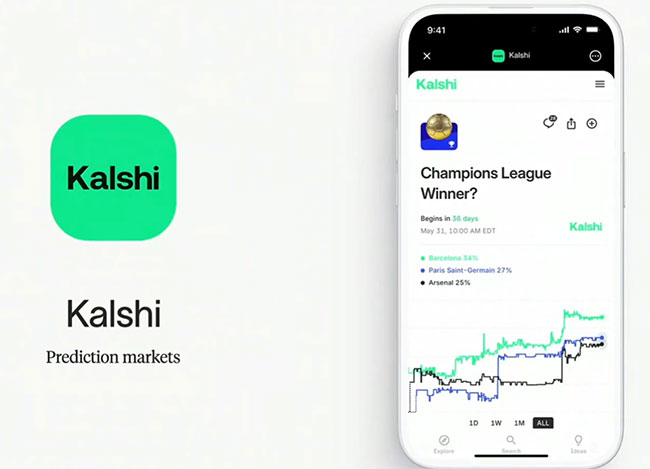
AP notes that the timing of Arizona’s charges overlaps with the NCAA basketball tournaments, and it adds that the NCAA has raised concerns about the threats prediction markets can pose to sports integrity. Kalshi had reportedly launched a $1 billion bracket challenge while avoiding direct NCAA trademarks.
That detail matters because sports betting regulators and leagues have spent years building integrity systems around licensed operators. They monitor suspicious activity, share information, and impose controls to reduce the risk of manipulation. If event-contract platforms can attract similar money and attention without equivalent state-level oversight, leagues and regulators will not treat that as a cute innovation story. They will treat it as a loophole with a smile.
Arizona’s earlier warning letters hinted at the same issue. Reporting on the letters said the state believed Kalshi was trying to legitimize its conduct by calling it innovation while sidestepping the rules other operators must follow.
That is the policy fight in one sentence. Is this innovation, or is it regulatory arbitrage wearing a fintech hoodie?
The Federal-State Fight Is the Real Prize
The criminal case is dramatic. The deeper fight is jurisdiction.
Kalshi has already faced legal action or regulatory pressure in multiple states, including Massachusetts, Nevada, and Michigan, according to Reuters. AP says at least 9 states have taken action against the company in some form. Yet rulings have been mixed, and Kalshi has kept arguing that federal oversight by the CFTC should preempt state gambling enforcement.
Reuters reports that Kalshi had asked a federal judge in Arizona for a restraining order to stop the state’s actions, but the judge denied the request and demanded a stronger explanation for federal jurisdiction. That was a bad signal for Kalshi, at least in the short term. It did not settle the larger legal theory, but it showed that the company cannot assume every court will rush to shield it from state action.
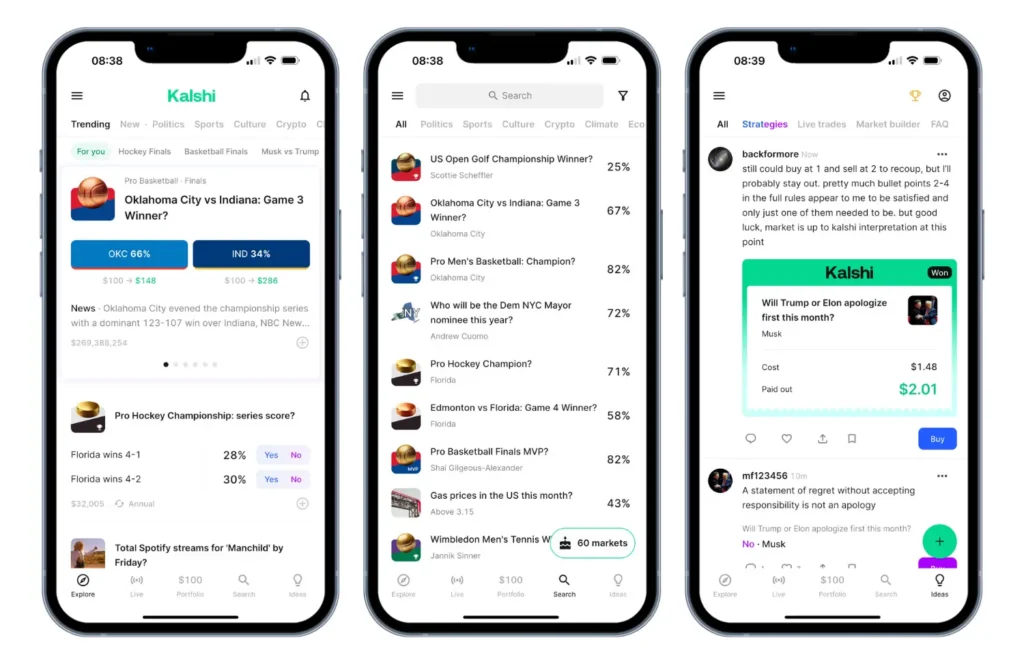
This matters because the outcome will shape much more than one company’s future. If Arizona’s position holds, states may feel emboldened to treat prediction markets as illegal gambling whenever they resemble sports or election wagering under local law. If Kalshi wins on federal preemption, prediction markets may expand across the country with much less regard for state gambling frameworks.
Either result will have consequences far beyond Arizona.
TF Summary: What’s Next
Arizona has filed the first known criminal case against Kalshi, accusing it of running an illegal gambling business by offering sports and election contracts without state approval. The company says it is a federally regulated exchange under CFTC oversight, not a gambling operation. Arizona says that distinction collapses the moment Arizona residents risk money on uncertain outcomes in ways state law treats as wagering.
MY FORECAST: The case represents a major pressure point in the national fight over prediction markets. More states will watch it closely before deciding whether to stick with civil enforcement or move toward their own criminal theories. Kalshi may still win pieces of the jurisdiction argument elsewhere. But Arizona has made one thing clear: states are getting less patient with platforms that look, feel, and monetize like gambling while insisting they are something more sophisticated.
— Text-to-Speech (TTS) provided by gspeech | TechFyle