



The rivalry between OpenAI and Google escalated this week. Google Gemini has won adoption rapidly. The gains triggered an unusual and blunt message from OpenAI CEO Sam Altman. He described the moment as a “red alert”, not because Gemini breaks safety norms. The reason is that Gemini’s sudden popularity means power and pressure in the AI sector. The statement came during a volatile stretch when Google announced sweeping updates, new integrations, and record engagement metrics.
Altman communicated his warning as a wake-up call, noting that Gemini’s surge demands faster iteration, deeper infrastructure investment, and stronger competitive resolve. His comments reverberated through investor channels, developer groups, and policy rooms already tense about AI acceleration. The timing added fuel: Google touted multimodal upgrades, near-real-time reasoning, and performance leaps for the Gemini family.
What’s Happening & Why This Matters
Google’s Gemini Boom Accelerates
The “red alert” message was not panic. It functioned as a public competitive flare — a declaration that OpenAI sees Gemini’s cracking as a genuine force that bolsters expectations for speed, scale, and strategic planning.
Google integrated Gemini into products, developer tools, and consumer apps at a pace that caught competitors off guard. Adoption surged. Benchmarks trended upward. Engagement spiked. The company pushed integrations into Android, Workspace, and Search while hinting at deeper ecosystem plans.
A Google spokesperson reinforced the pace: “We design Gemini for reach and reliability at global scale.”
Developers noted faster response times and improved accuracy in code-generation tasks. Enterprises reported early interest from operational teams seeking multimodal workflows. Quietly, Google signalled even more capacity through new TPU clusters and infrastructure expansions. Each data point fed the perception that Gemini steps into a dominant role across several markets: cloud AI, personal assistants, and enterprise automation.
Altman Responds With a Public ‘Red Alert’
Altman’s message added unusual clarity. He called the moment a serious competitive inflexion, stressing that competition is where iteration speed matters as much as model quality.
His phrasing drew attention: “The gap narrows fast. Urgency matters.”
His comments allude to the pressures OpenAI is weathering to its leadership. The competitive differences between OpenAI and Google shrink as Gemini attracts developers. Altman’s tone outlined a strategic pivot: public acknowledgement of a formidable rival and a rally call to fight.
Pressure in the AI Sector
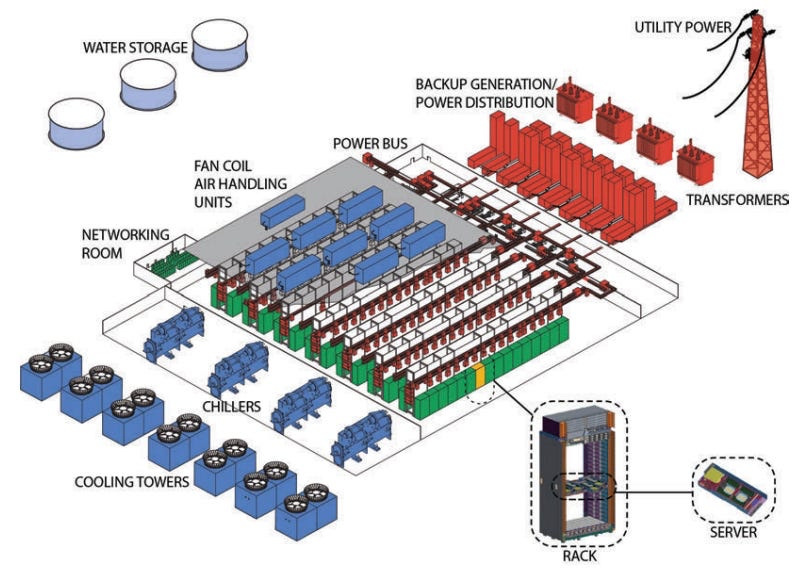
The Gemini boom rippled towards cloud partners, chip suppliers, and AI-powered businesses. Cloud workloads are bigger. Developer attention is diversifying. Benchmarks, once stable, swing within weeks.
Industry analysts echoed the shock: “Competition accelerates when one model jumps generations ahead of expectations.”
Infrastructure absorbs the stress first — GPU demands rise, energy consumption climbs, and inference markets adjust pricing. Rivals’ product teams reassess release schedules. Public agencies amplify oversight discussions, uneasy about velocity and market concentration. Gemini demonstrated how quickly AI power can reconfigure.

TF Summary: What’s Next
The Gemini boom swings momentum among the AI heavyweights. Google eyes scale. OpenAI responds with urgency. Investors react to a new competitive centre of gravity. Developers enjoy more capable tools with faster iteration cycles. Enterprises navigate overlapping ecosystems as policies scramble to keep pace.
MY FORECAST: The rivalry between OpenAI and Google enters an intense expansion stage. Faster releases, infrastructure races, and ecosystem bets define the next phase. Expect more public messaging, more model upgrades, more hardware investments, and sharper competitive edges across consumer and enterprise AI.
— Text-to-Speech (TTS) provided by gspeech