



Children Talk to AI Every Day
Artificial intelligence is now part of daily life, particularly so, for kids and teens. Phones, tablets, school laptops, gaming platforms, smart speakers, and social apps converge into a single AI-infused layer. Children speak to chatbots as easily as they talk to friends. They test homework ideas with generative models. They play with AI filter and explore worlds managed by algorithms. The impact is no longer subtle.
New studies across the U.S., U.K., and EU reveal that children engage with AI as naturally as they do with any other digital tool. That reality creates new questions for parents, schools, and policymakers. It places pressure on companies building the AI environments. AI is not abstract. It is a daily companion for millions of young users.
What’s Happening & Why This Matters
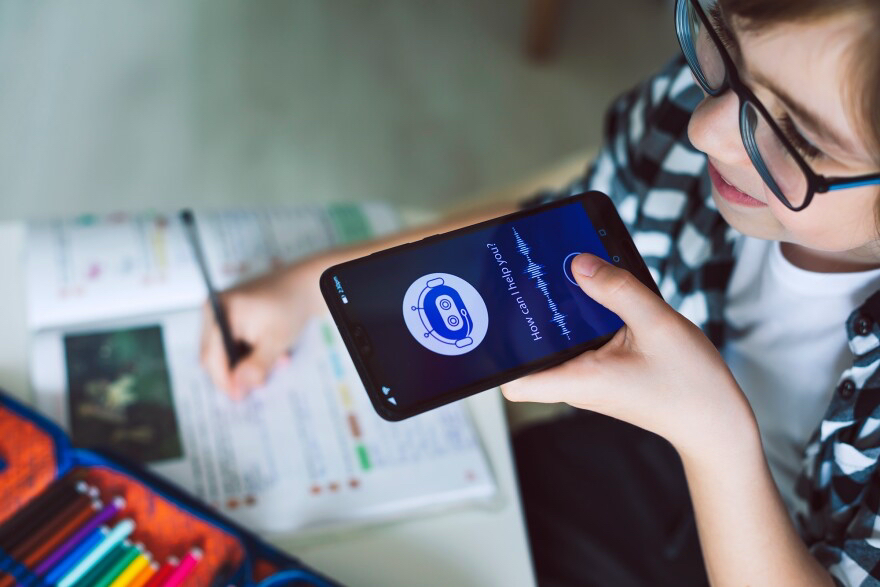
Recent surveys identify that nearly one-third of American teenagers interact with AI chatbots every day. The Pew Research Centre found that teens turn to AI for homework help, writing prompts, emotional support, and entertainment. Teens describe AI as “another app,” “a tool,” and “a way to check what I think.” The normalisation arrives faster than any previous technology wave.
In the U.K., researchers found that children spend over half of their screen time with some form of AI involvement. Query tools. Filters. Writing models. Voice agents. The boundaries blur. Kids do not see AI as “advanced tech.” They see it as infrastructure — always present, always available.
AI Usage Expands Across School, Social Life, and Play
Children and teens use AI to plan assignments, rewrite sentences, create images, edit videos, generate code, and solve math problems. They also use AI to socialise. Many interact with assistant-like chatbots inside apps and games.
For younger children, voice systems such as smart speakers create early familiarity. Kids ask for music, jokes, and explanations. They treat the device like a character. Parents describe AI tools as “digital pets that answer questions.”
Big Tech Moves to Standardise AI Agents
This rapid adoption pushes major companies to create shared rules. Google, Meta, Microsoft, Amazon, and OpenAI now partner through the Linux Foundation’s new Open Platform for Enterprise AI Agents initiative. The group says the goal is to ensure “safe, interoperable, predictable AI behaviour.”
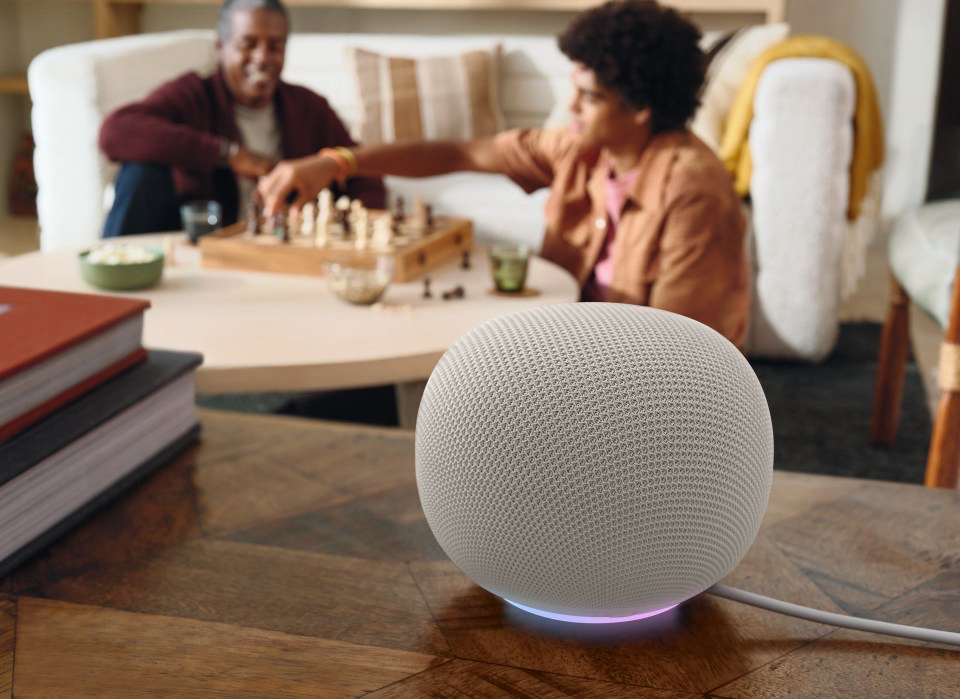
Standardisation matters because children rarely distinguish between platforms. They bounce between apps, test different models, and expect consistent results. Without shared guardrails, children receive different answers to the same question across platforms. That inconsistency undermines trust, understanding, and risk.
Parents Worry About Accuracy, Influence, and Safety
Parents say AI helps with learning, but they also worry about misinformation and emotional dependence. A teacher in the U.K. told researchers:
“Kids treat AI like an authority, even when it’s wrong.”

Health psychologists note that children often over-trust conversational agents because AI responds without hesitation. The tone feels confident. Kids interpret confidence as correctness.
Governments are feeling the pressure. Regulators in the EU, U.S., and Asia are observing how companies design kid-facing systems. The goal is clarity, transparency, and age-appropriate experiences.
TF Summary: What’s Next
Children already see AI as a normal part of life. That reality pushes companies, teachers, governments, and parents into a new phase: guiding AI behaviour, not resisting its presence. Standards from the Linux Foundation and Big Tech signal a future where AI agents share common safety rules. Schools revisit homework expectations. Parents refine device settings. Policymakers race to define “safe AI for minors.”
MY FORECAST: AI will become the most influential technology in childhood, surpassing the smartphone. The following two years bring national guidelines across Western countries, clearer labelling, and curriculum-level AI education. Children grow up with AI as a learning companion, creative tool, and conversation partner — and society must catch up with the rate of adoption.
— Text-to-Speech (TTS) provided by gspeech