


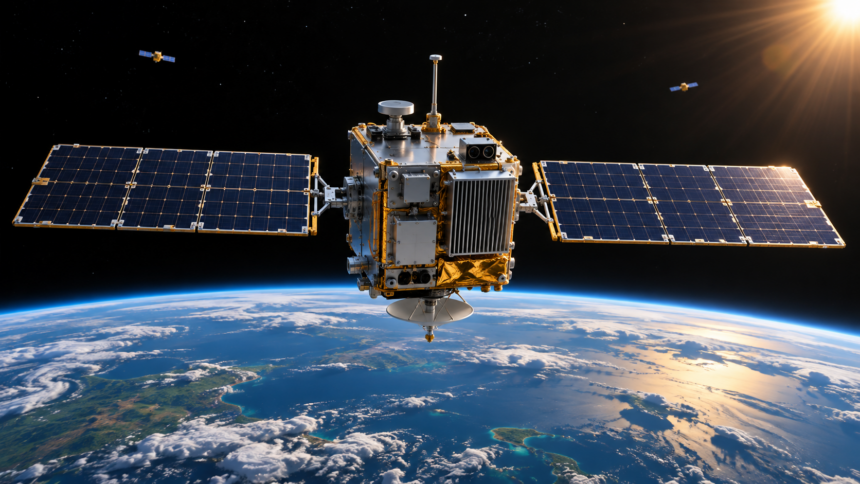
The conditional authorisation sets deadlines through 2040, and experts question the cost and the debris.
The SpaceX Starmind approval lets the company deploy up to one million satellites as orbital AI data centres. The FCC issued the decision on 25 November 2026. TechFyle (TF) is tracking a space project that could change how AI infrastructure is built.
What’s Happening & Why It Matters
The FCC’s Approval
The FCC authorised SpaceX on 25 November 2026 to deploy up to one million satellites. SpaceX calls them orbital compute modules, and the network is named Starmind. The FCC called the decision a historic first in the AI race. Several outlets describe the approval as conditional.
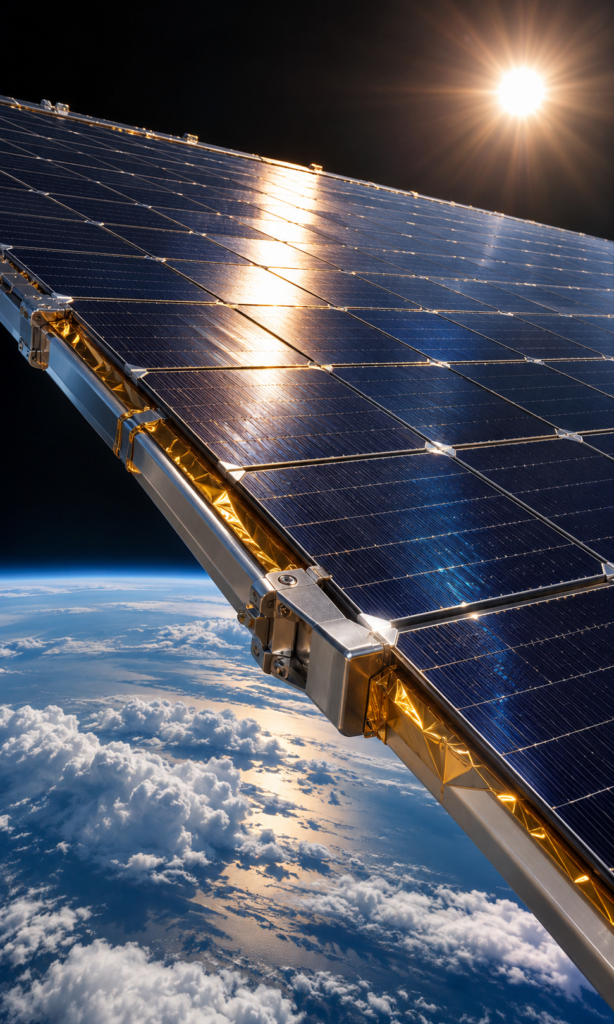
SpaceX filed its application at the start of the year. When the filing appeared, The Verge argued that one million was a starting point for negotiations. New Atlas reports that the satellites are 70 to 75 metres in size and orbit at 500 to 1,002 kilometres.
Conditions and Timeline
SpaceX must deploy at least one authorised space station by 2033. It must then add more in stages through 2040. Cryptopolitan puts the first-launch deadline at 25 November 2033. The FCC said the constellation complies with its orbital debris rules and serves the public interest.
The FCC received a substantial number of public comments, including petitions to deny. Chairman Brendan Carr said, “America is leading the world into the era of super intelligence.” Elon Musk welcomed the decision on social media. TF covered SpaceX’s other government work in its Starshield funding story.
Objections and Obstacles
Scientists and industry experts have raised technical and financial obstacles. They cite environmental concerns, including atmospheric pollution from launches and reentries. Cryptopolitan reports that orbital data centres may cost 2.5 to 3 times more to operate. Proponents say orbital solar power could ease grid pressure and cut the water used to cool ground data centres.
Comparing Other Regions

A 16-month EU study called ASCEND found orbital solar-powered data centres viable on technical and economic grounds. The study cost €2 million (about $2.2 million) and proposed a 10 MW deployment by 2036, scaling to 1 GW by 2050. A European Parliament review in April said the main barrier is economic, with launch costs a key factor. China launched 12 AI computing satellites in May 2025 as the first phase of a planned 2,800-satellite constellation.
My take: The approval is a licence that sets deadlines but guarantees no launches. Cost decides whether Starmind exists, because estimates run 2.5 to 3 times higher than ground sites. Scientists and regulators will test the debris and reentry claims long before a million craft fly. Watch how Congress and other countries respond to one company holding rights to this much orbit.
TF Summary: What’s Next
SpaceX has until 2033 to deploy its first Starmind station and until 2040 to add more. Debris, cost and public objections are the open tests.
MY FORECAST: SpaceX will file for its first Starmind launches by 2030, and rivals will seek similar licences.
Related Stories
- Starshield and Ukraine: SpaceX Funding Threat
- Virginia and Oregon Sue SpaceX Over Grok
- Meta Walks Back Its 2030 Net-Zero Goal
- Anthropic Launches Claude Ship
- What Jensen Huang’s Return Means