



Some of the nastiest battlefield damage is wrought on neglected routers, water systems, and infrastructure until it’s too late.
The Iran war is driving another ugly surge far from missiles and maps: foreign hacking. Security agencies in the United States and Britain are warning that state-linked attackers tied to Iran and Russia are probing vulnerable internet routers, industrial control systems, and municipal systems for espionage, disruption, and intelligence-gathering. The timing is no coincidence. Geopolitical tension raises the value of every weak password, every unpatched router, and every exposed controller sitting online like a house key under the mat.
The blunt lesson is not complicated. Cyber conflict loves old hardware, lazy maintenance, and distracted targets. A family router in a spare bedroom can turn into a spying tool. A small business network can turn into a stepping stone. A water plant controller can turn into a public-safety headache. The battlefield has grown quieter, cheaper, and much closer to home.
What’s Happening & Why This Matters
Iran-Linked Hackers Target Water and Energy Systems
The most alarming warning in the current batch comes from the FBI and NSA, which have raised concerns about Iranian hackers going after critical infrastructure tied to water, energy, and local municipalities. According to the alert, the attackers are exploiting exposed programmable logic controllers, or PLCs, used in industrial processes. The agencies say recent attacks have already led to reduced PLC functionality, manipulated display data, operational disruption, and financial loss.

That should make any infrastructure operator a little queasy. PLCs are not abstract software toys. PLCs help run real machinery across treatment plants, factories, robotic systems, and utility operations. When a hostile actor reaches one, the risk goes beyond data theft. The risk can stretch into physical disruption.
The alert says the hackers are going after equipment from Rockwell Automation, including Allen-Bradley-branded systems such as CompactLogix and Micro850 PLC devices. In some cases, the federal warning says the hardware was left publicly accessible on the internet without proper safeguards. That is the cyber equivalent of parking a fuel truck with the keys in the ignition.
Federal investigators say Iranian actors have been using legitimate Rockwell programming tools, including Studio 5000 Logix Designer, to connect to victim systems. That detail matters because the intrusion path is not cinematic. No exotic science-fiction weapon is required. A lot of the damage starts with reachable devices, known tooling, and poor basic hygiene.
Router Hacking Is a Cheap Spycraft Favorite
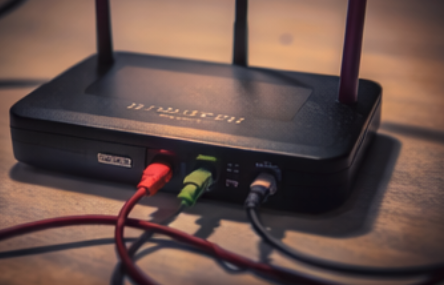
While Iranian actors are probing industrial systems, Russian state-linked groups are doing what aggressive espionage teams love to do: hijack routers and turn everyday network gear into quiet surveillance infrastructure.
The British warning says Russian hackers are exploiting commonly sold internet routers to harvest information for espionage purposes. The National Cyber Security Centre said the operations appear opportunistic at first, with a wide pool of victims narrowed to people or entities of intelligence value later in the chain. University of Surrey professor Alan Woodward warned that attackers who compromise a router can redirect people to fake sites, establish a presence on the wider network, and hunt for weak devices such as phones or PCs connected behind the router.
That threat is nastier than many people realise. A router is not flashy. A router is boring. Boring gear is often neglected, left unpatched, and forgotten after installation. Attackers love that pattern.

The separate report on Russia’s military hacking campaign goes even further. Researchers said an estimated 18,000 to 40,000 consumer routers across 120 countries were folded into infrastructure tied to APT28, the threat group associated with Russia’s GRU military intelligence service. The operation relied heavily on older MikroTik and TP-Link hardware that had not been patched against known flaws.
That scale should kill any fantasy that router abuse is fringe activity. Router abuse is mass-market espionage.
APT28 Is Mixing Old Tricks With New Discipline
APT28, sometimes called Fancy Bear, has spent years haunting governments and public institutions. The group is not new. The methods are not always new, either. What keeps the group dangerous is discipline.
According to the router report, the attackers changed DNS settings on compromised devices and used DHCP to propagate changes to workstations behind the router. When a victim visited targeted domains, the connection was proxied through malicious infrastructure before reaching the real service. That adversary-in-the-middle position allowed attackers to collect OAuth tokens and other credentials after a user completed multifactor authentication.
That part deserves extra attention. Plenty of people hear “MFA” and think the danger stops there. MFA still helps. A proxy operation that captures tokens after the login flow can still turn a successful second factor into a stolen session.
The report says a four-week period starting 12 December saw more than 290,000 distinct IP addresses send at least one DNS request to the malicious APT28 resolver. That kind of traffic volume suggests the campaign was not a boutique operation against one ministry in one capital. The attackers were hunting at scale and refining later.
The ugly genius here is plain. Russian operators are blending old network-compromise techniques with sufficient patience and operational polish to keep gaining access long after defenders know the trick exists.
Weaknesses Create Openings
The war environment raises urgency. Weak security creates opportunity.
That distinction matters because much of the public discussion of cyber conflict still drifts toward national flags and dramatic blame. Fair enough. Iran-linked and Russia-linked actors are in the story for good reason. Yet the technical openings are often embarrassingly ordinary.

A PLC is publicly exposed. A router stops receiving updates. An admin never reviews DNS changes. A small business installs cheap hardware and never thinks about lifecycle replacement. A staff member clicks through a browser warning about an untrusted certificate because deadlines are louder than caution. Cheap access thrives where maintenance dies.
One line from the British coverage carries the right tone. Woodward described edge devices such as routers and internet-connected cameras as “quite often forgotten about,” which makes them weak points. That sentence should probably be framed above every small office server rack in the country.
The sharper truth is less polite. Attackers are not always geniuses. Defenders are often just late.
Critical Infrastructure Has a Public Consequence

A hijacked home router is bad enough. A compromised water system is another category of trouble.
The U.S. alert notes earlier Iranian-linked activity by a group called CyberAv3ngers, which had targeted PLCs and gained remote access to systems at a Pennsylvania water provider in 2023. The new warning suggests a continuing appetite for industrial systems that control physical processes.
That changes the risk equation. Credential theft can harm one organisation. Interference with infrastructure can ripple through communities, services, and local government. Water, energy, and municipal operations do not have the luxury of being “only digital.” Pumps, valves, treatment lines, and automated machinery connect software choices to public outcomes.
That connection is why the current warning should worry more people than the usual data-breach headline. A compromised municipal system is not merely a compliance headache. A compromised municipal system can damage trust in the basic machinery of daily life.
The war backdrop makes that more likely, not less. Nation-state operators and state-backed groups love asymmetric pressure. They do not need to win a massive cyber showdown to create political pain. They only need enough disruption to expose weakness, force expensive response work, or remind the public that modern infrastructure is softer than it looks.
Small Businesses and Households Are Part of the Battlefield
One of the nastiest themes across all three events is that the initial victim is not always the primary target.

The British warning says opportunistic targeting can start with a wide victim pool and filter later for intelligence value. The APT28 report says a smaller number of hacked routers acted as proxies to reach a much larger number of routers used by foreign ministries, law enforcement agencies, and government entities. That means the family router and the small office network are not separate from the geopolitical story. They are part of the same ladder.
A forgotten router inside a small business can help an attacker reach a more valuable network later. A home office used by a contractor, diplomat, or government employee can quietly expose credentials or tokens that open better doors. That is why the advice in the reports sounds repetitive. Check DNS settings. Replace end-of-life hardware. Review logs for unexplained changes. Do not click through certificate warnings. Keep devices patched.
Repetition is necessary because the weak spots are depressingly familiar.
The cyber war is not arriving. The cyber war is already sharing your Wi-Fi.
TF Summary: What’s Next
The Iran war is intensifying cyber risk well beyond the region’s physical battlefield. U.S. agencies are warning that Iranian-linked hackers are targeting water, energy, and municipal systems through exposed PLCs, while British and private-sector reporting indicate that Russian state-linked groups are exploiting consumer routers for espionage, credential theft, and network footholds. The pattern is ugly but consistent: foreign hacking grows easier when old gear stays online, updates stop, and edge devices are forgotten.
MY FORECAST: The next stretch will bring more alerts, more quiet compromises, and more public frustration around basic digital hygiene. Critical infrastructure operators will tighten controls faster than households and small businesses, but weak routers and exposed controllers will keep serving as cheap entry points. Much of the coming cyber damage will not arrive via a dazzling zero-day. A lot of the coming cyber damage will arrive through old boxes nobody bothered to replace.
— Text-to-Speech (TTS) provided by gspeech | TechFyle