



Surveillance Fears Force Amazon’s Ring To Reverse Course On Police Camera Integration
Trust is the invisible wiring inside every smart device. Cut that wiring, and even the slickest technology goes dark. That is exactly what happened when Amazon’s Ring abruptly canceled its planned integration with camera-network company Flock Safety, a partnership that promised stronger crime-fighting tools but triggered a public panic about mass surveillance.
The reversal arrives at a tense moment for consumer technology. People love convenience. They love security. They do not love the feeling that every front porch might double as a police observation post. The episode reveals a deeper conflict shaping the smart-home era: who controls the data when your house starts acting like a sensor node in a global network?
In short, the deal collapsed not because the tech failed, but because trust did.
What’s Happening & Why This Matters
Partnership Promised Faster Crime Response
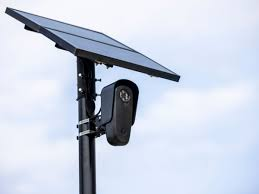
The proposed collaboration between Ring (https://ring.com) and Flock Safety (https://www.flocksafety.com) aimed to connect Ring’s vast base of doorbell cameras with Flock’s nationwide network of license-plate readers and investigative tools. Police agencies already use Flock systems to track stolen vehicles, locate suspects, and reconstruct crime timelines.
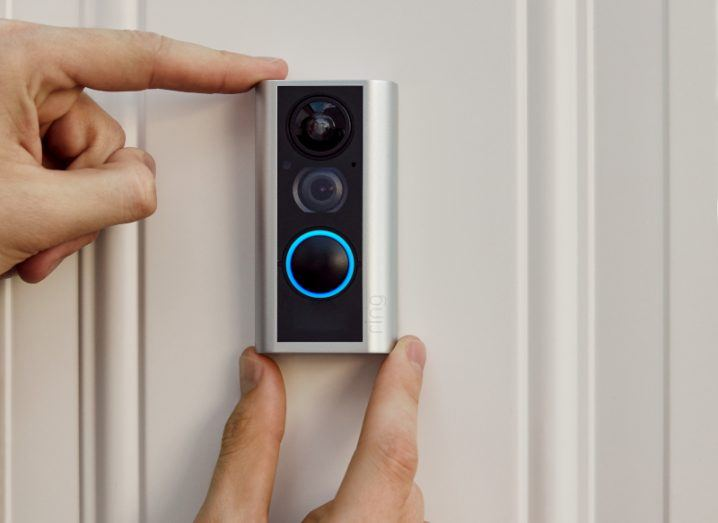
Under the plan, law enforcement could submit requests for footage through Ring’s Community Requests program. Participation is voluntary. Users would decide whether to share clips. Officials would not know who declined.
On paper, it looked like a careful compromise between privacy and safety.
In practice, many customers saw something else: a pathway toward automated surveillance infrastructure embedded in suburban neighborhoods.
Public Backlash About Surveillance Risks
Opposition intensified when critics speculated that footage might be shared with agencies such as U.S. Immigration and Customs Enforcement. Even though the integration had not launched, the possibility alone triggered alarm across privacy groups and community forums.
Some users called for removing their devices entirely. Others warned that a distributed camera grid could track everyday movements without meaningful oversight. A doorbell camera that watches for package thieves suddenly looked like a tool that could monitor entire communities.
Flock Safety CEO Garrett Langley acknowledged the tension, stating that technology only helps communities “if it strengthens trust and aligns with local expectations.”
That statement reveals a hard truth: security tools fail politically long before they fail technically.
Super Bowl Ad Made Things Worse
Timing is key in public relations, and Ring’s timing could not have been more combustible. During the Super Bowl, the home security company aired a commercial promoting a feature called Search Party, designed to help locate lost pets using a network of neighborhood cameras.

Customers immediately questioned whether the same system could track people instead of dogs.
The ad unintentionally reframed Ring’s entire ecosystem. What had been marketed as neighborly cooperation resembled crowdsourced surveillance. Critics argued that scaling such tools could normalize constant monitoring.
In complex systems theory, small changes in perception can trigger large behavioral cascades. This is one of those moments.
Trust Deficit As Key Factor
After reviewing the situation, both companies chose to walk away. Ring stated that the integration would require far more time and resources than expected. Observers read between the lines: rebuilding trust is harder than writing code.
Ring emphasized that its mission centers on neighborhood safety but acknowledged the responsibility that comes with handling personal video data. Importantly, the company confirmed that no customer footage was ever shared with Flock because the partnership never launched.
The detail matters. It prevents the narrative from shifting into scandal territory. Instead, the story is one of anticipation, backlash, and retreat.
A History Of Controversy
This is not Ring’s first collision with privacy concerns. In 2024, Ring discontinued a “Request for Assistance” tool after critics argued police could use it to monitor protesters. The pattern supports public suspicion that surveillance capabilities expand quietly until resistance forces contraction.
Meanwhile, Ring had recently announced another partnership with Axon, the company known for police body cameras and Tasers. The status of that deal hangs over it.
Once trust erodes, every subsequent initiative faces heavier scrutiny.
Smart Homes vs. Civil Liberties
At a deeper level, the episode highlights a structural dilemma in modern technology. Smart devices generate immense social value — crime deterrence, emergency response, and convenience. Yet they also produce data streams that governments and corporations naturally want to access.
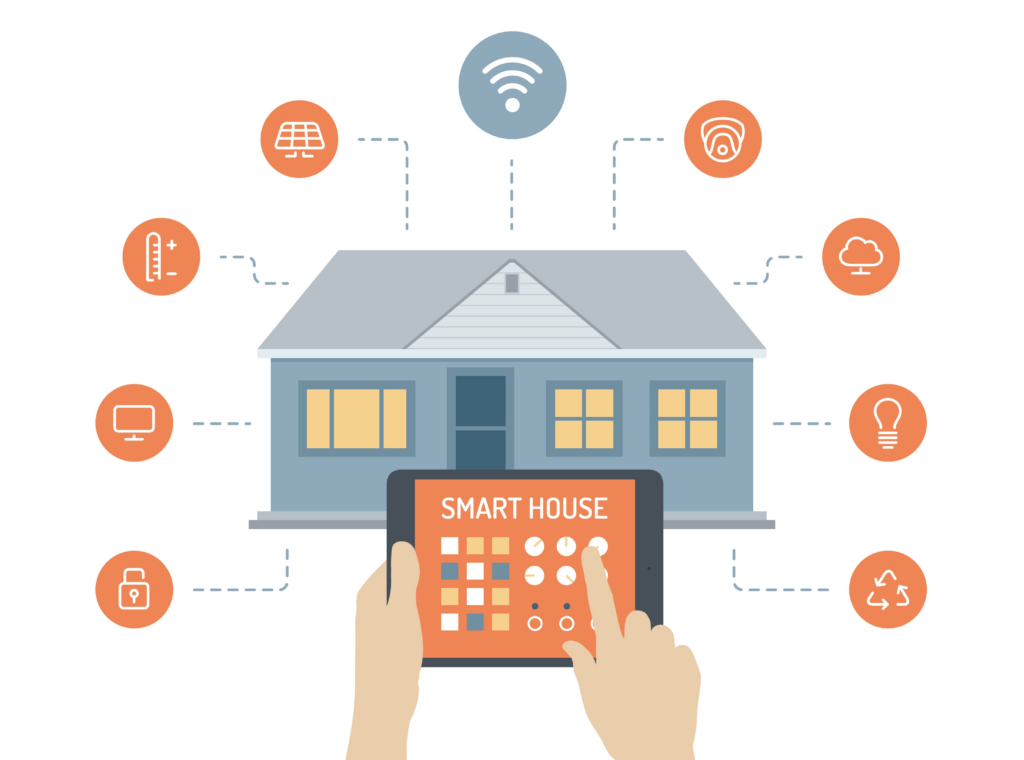
Imagine a city where every home contributes sensor data to public safety systems. Crime detection improves dramatically. So does the potential for abuse. Civilization gains capability and loses ambiguity at the same time.
Philosophers might say we are trading privacy for predictive control.
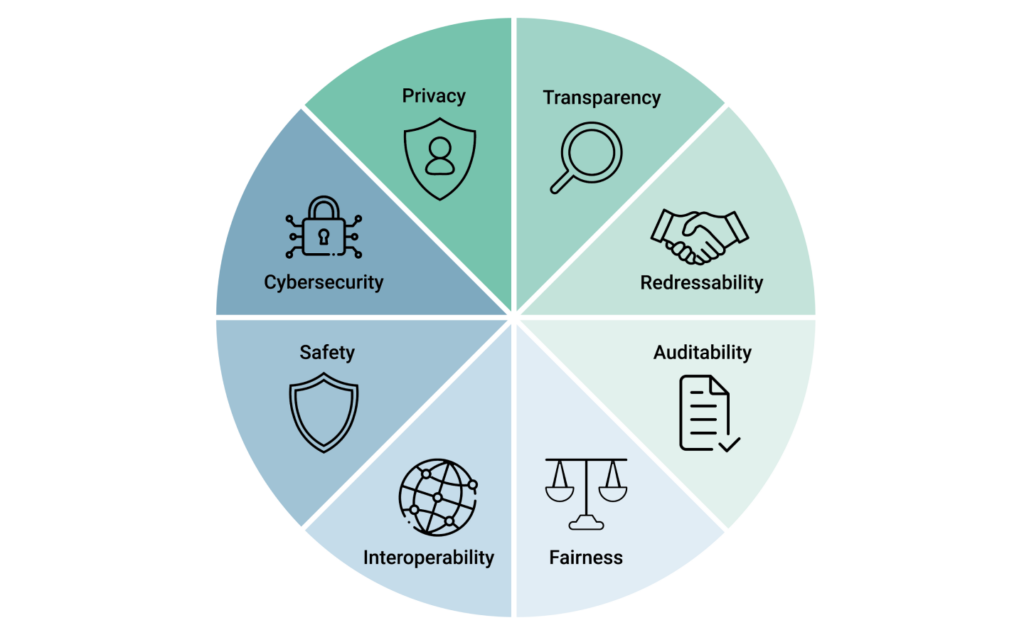
In practical terms, consumers are signaling that voluntary participation is not enough. They want clear boundaries, transparency, and meaningful oversight. Otherwise, even beneficial tools feel threatening.
Industry Impact
The incident sends a warning across the entire smart-device ecosystem. Companies cannot rely on technical safeguards alone. They must manage perception, governance, and ethics with equal precision.
Investors, regulators, and product teams will study the case intently. It demonstrates how quickly a partnership can unravel when public sentiment turns. It also shows that trust functions as a measurable business asset — fragile, volatile, and expensive to rebuild.
Expect future products to stress local data processing, user control, and explicit consent mechanisms. The era of quiet data aggregation is ending. Consumers want agency, not just features.
TF Summary: What’s Next
Ring’s canceled partnership with Flock Safety marks a turning point in the evolution of connected security technology. The backlash reveals that people accept smart devices only when they feel ownership over the data that the devices produce. Safety tools that appear to empower authorities more than citizens face immediate resistance.
MY FORECAST: Companies will invest heavily in privacy-preserving designs, transparent policies, and independent oversight frameworks. The smart home will continue expanding, but its success will depend on earning trust rather than assuming it. In the long run, the winners will be those who treat privacy not as a constraint, but as a core feature.
— Text-to-Speech (TTS) provided by gspeech | TechFyle