


Four companies. Four AI moves. One converging ecosystem.
AI no longer lives in labs. It lives in your wrist. In your car. In your phone call. Inside your research workflow. Inside your telecom network.
This week delivers a sharp snapshot of that shift. xAI loses half its founding team. Fitbit expands its AI health coach to iPhone. OpenAI upgrades ChatGPT’s Deep Research. And T-Mobile turns its 5G network into a real-time AI interpreter.
Each update is separate, but they are connected. Together, they show AI ecosystem convergence in 2026.
What’s Happening & Why This Matters
xAI Loses Founding Talent
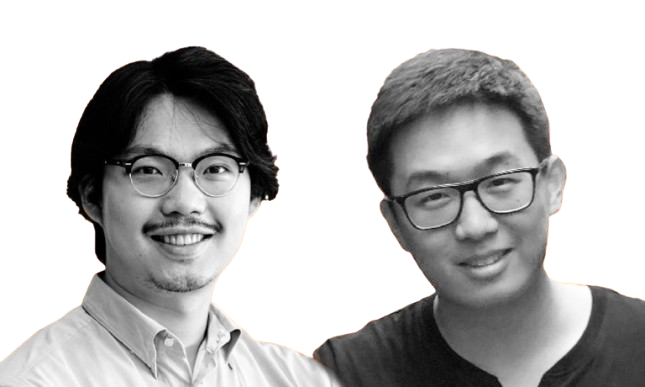
Elon Musk’s xAI sees two more cofounders exit this week. Jimmy Ba and Yuahai “Tony” Wu announce their departures. That brings the original founding team of 12 down to six.
Over the past year, several others left. Infrastructure lead Kyle Kosic joined OpenAI. Christian Szegedy pivoted to superintelligence research. Igor Babushkin launched a venture capital firm. Greg Yang returned to an advisory role.
In isolation, founder turnover is normal for high-velocity startups. In aggregate, it raises questions.
The AI race runs at breakneck speed. Talent churn reflects strain. Musk’s management style draws scrutiny. At the same time, SpaceX acquires xAI ahead of a planned IPO. That acquisition reshapes equity incentives. Founders gain liquidity. They gain options.

Meanwhile, xAI faces criticism over Grok’s generation of sexualised images and prior content controversies.
AI companies operate like strategic arms of larger ecosystems. Talent migrates where capital, compute, and autonomy align. The competitive map shifts quietly.
Fitbit brings Gemini-powered health coaching to iPhone
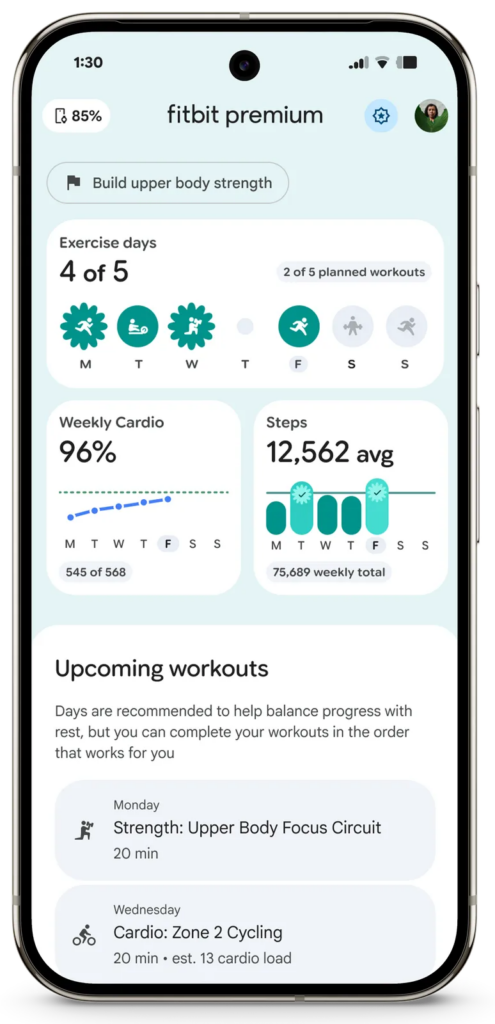
Fitbit expands its AI Personal Health Coach to iPhone. The feature, first launched in October, is now available to iOS users in public preview.
The system uses Google Gemini AI models to create a conversational fitness assistant. It builds marathon training plans or adapts workouts based on historical health data. Models adjust goals when users report changes.
Reviewers describe it as ahead of competing AI health coaches. One tester reports improved motivation and measurable fitness gains over five weeks.
Access requires a Premium subscription and compatible hardware. Thirteen devices qualify, including Pixel Watch models and several Fitbit trackers.
Reports suggest Apple scaled back development of an AI doctor feature inside its Health app. Instead, Apple may let Siri answer limited health questions. Fitbit fills the gap.
AI lives in your wrist. It tracks sleep, adjusts cardio plans, and interprets biometrics. This is a modification from passive tracking to active coaching. Wearables evolve into decision engines.
ChatGPT upgrades Deep Research and moves into CarPlay
OpenAI updates ChatGPT’s Deep Research tool with GPT-5.2. Users can select which sources to prioritise. Reports appear directly inside ChatGPT with a built-in table of contents and live source panel.
Users can add plug-ins. One example integrates financial data from the London Stock Exchange Group. Reports can take up to 30 minutes. Users monitor progress in real time. They can inject new instructions mid-run.
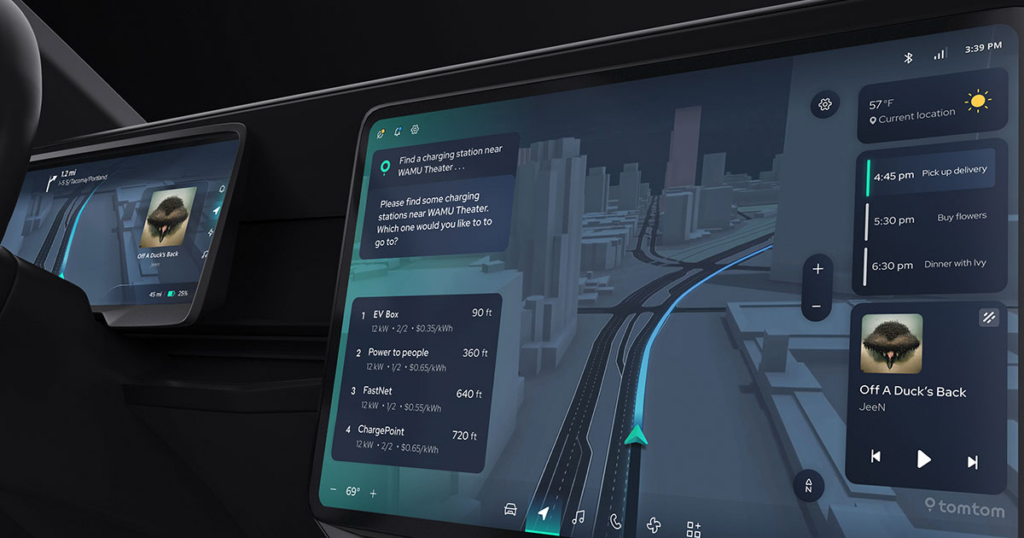
Integration transforms ChatGPT from a chat tool into a structured research platform. Source selection introduces control. That reduces hallucination risk. It increases accountability. At the same time, Apple is reportedly exploring allowing third-party AI apps, such as ChatGPT and Google Gemini, in CarPlay.
Drivers may soon ask ChatGPT for restaurant suggestions without leaving the CarPlay interface. Siri is the default. Third-party AI would require manual activation. CarPlay Ultra, already appearing in some Aston Martin models, may expand to Kia or Hyundai vehicles by 2026.
AI moves into the dashboard. Navigation, recommendations, scheduling, and contextual assistance merge into driving experiences. The assistant follows you from the laptop to the car.
T-Mobile’s AI Interpreter

T-Mobile announces Live Translation powered by an agentic AI platform running directly on its 5G Advanced network. No app required. No advanced smartphone required. A caller presses or taps “87” to activate real-time translation in more than 50 languages. The network handles processing.
CEO Srini Gopalan frames the move simply: when language blocks communication, the network must do more than transmit signals.
T-Mobile states it does not store recordings or transcripts. It claims the system measures performance metrics during calls and discards content after completion.
Trust is central. Wireless carriers have mixed records on data stewardship. Real-time translation requires listening to every word.
Yet the strategic direction is clear. AI advances into infrastructure. The network is the computer.
Convergence
Each company plays a different layer of the stack:
- xAI battles at the frontier model layer.
- Fitbit integrates AI at the biometric interface layer.
- ChatGPT strengthens knowledge synthesis and moves into automotive UI.
- T-Mobile embeds AI at the network protocol layer.
This is AI ecosystem convergence 2026.
Models no longer operate in isolation. They integrate into devices, dashboards, networks, and research workflows. The assistant follows the context. The infrastructure learns behaviour. The ecosystem tightens.
Competitive Undercurrents
Behind each announcement lies strategic tension. xAI competes for talent amid IPO dynamics. Fitbit races Apple in digital health intelligence. OpenAI expands reach inside Apple’s ecosystem. T-Mobile competes with third-party translation apps that already operate offline.
Each move protects territory and expands footprints. AI is a feature embedded across sectors.
TF Summary: What’s Next
This week’s AI updates show convergence across frontier labs, wearables, telecom networks, and automotive interfaces. xAI navigates talent churn amid structural shifts. Fitbit expands AI coaching to iPhone. ChatGPT strengthens research controls and eyes CarPlay integration. T-Mobile turns its 5G network into a live interpreter.
MY FORECAST: The 2026 AI ecosystem convergence continues. Telecom networks host agentic systems. Wearables guide proactive health decisions. Cars integrate third-party AI layers. Talent mobility intensifies as IPO cycles reshape incentives. The assistant is ambient.
— Text-to-Speech (TTS) provided by gspeech | TechFyle