



The rise of a viral voice that may not exist.
A soulful new singer is climbing Spotify’s Viral Top 50. Her ballads are smooth, and the jazz tones echo Norah Jones. Her monthly listeners are approaching three million. One track passed five million streams.
There is only one problem. No one can prove she exists.
The artist known as Sienna Rose surfaced almost overnight. She released dozens of tracks in weeks. She has no verified social presence, but performs no shows. Streaming services are beginning to flag her catalog as AI-generated.
Today the music world asks a new question. Is AI-generated pop artist Sienna Rose a breakthrough talent — or a synthetic experiment? The answer is more than one viral hit.
What’s Happening & Why This Matters
A Viral Rise
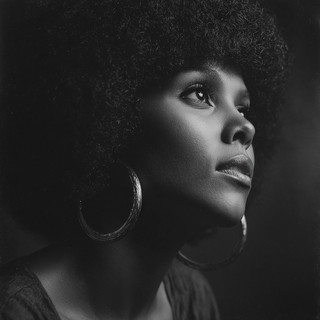
Sienna Rose posts at least 45 tracks between late September and early December. That output rivals hyper-productive legends. It exceeds most label release schedules.
Her songs chart on Spotify’s Viral Top 50. One ballad, “Into the Blue,” crosses five million streams. She reaches nearly three million monthly listeners.
Yet her footprint looks thin.
No concert listings appear — no interviews surface. No verified social accounts are active. Her Instagram disappears. Her profile images exhibit uniform lighting and a hazy aesthetic often associated with AI image generators.
That absence sparks suspicion. In the streaming era, artists grow through exposure. They post backstage clips, livestream rehearsals, and even appear on TikTok. Rose does none of this.
For many listeners, silence can sound louder than music.
Streaming Platforms Detect Technical Fingerprints
The French streaming service Deezer is developing tools to identify AI-generated songs. According to Deezer, many of Rose’s tracks are flagged as computer-generated.
Gabriel Meseguer-Brocal, a senior research scientist at Deezer, explains how detection works. He argues that AI-generated music leaves mathematical traces. The artifacts act like fingerprints. They allow software to identify which model created a track.

Listeners hear clues too.
Several songs contain a faint hiss across the mix. That hiss appears frequently in tracks generated by platforms such as Suno or Udio. The models often begin with white noise and refine it into structured music.
Most listeners cannot describe the artifact. Yet many describe a feeling.
The songs feel polished. Yet they feel flat. The vocals stay inside the melody. The drum patterns repeat predictably. The emotional lift feels muted.
One BBC Radio 4 contributor questions whether “some of the soul in the soul” feels missing. That phrase captures the tension. AI can mimic tone. It struggles with lived experience.
Economics Tilt Toward Automation
The economics drive deeper concern.
Launching a traditional pop act costs millions. K-Pop labels reportedly invest approximately $1 million per member annually in training, marketing, and production.
An AI-generated catalog costs near zero by comparison. Reports estimate Rose’s music earns roughly £2,000 per week in royalties. The revenue flows without tour buses or vocal coaches. There is no human fatigue.
For record labels and investors, the calculations appear compelling. Low overhead. Scalable output. Continuous release cycles. But the cultural cost remains uncertain.
Labels, Clones, and Blurred Accountability

Several of Rose’s tracks appear credited to U.S. indie label Broke. That label previously helped turn viral artists into chart contenders.
Another label, Nostalgic Records, lists Rose on its website as a London-based storyteller. The details remain murky. Public responses remain limited. The ambiguity echoes another controversy.
A dance act named Haven previously released a track using an AI clone of Jorja Smith’s voice. Industry bodies issued takedown notices. The song later reappeared with human vocals and entered the UK Top 10.
The pattern reveals a new gray zone.
AI tools can generate convincing voices. Labels can test audience response before confirming identity. The boundary between artist and algorithm is increasingly blurred.
Public Reaction Is Split
Some fans feel deceived. Others do not care. Pop star Selena Gomez briefly used one of Rose’s tracks in an Instagram post. The clip later vanished as questions spread.
Many listeners admit the songs sound pleasant. Some express disappointment when learning Rose may not exist. Others argue that if the music feels good, authenticity does not matter.
The debate widens. Is emotional connection tied to biography? Or can algorithms simulate resonance well enough?
Artists push back. At the Ivor Novello Awards, singer Raye states that fans value genuine storytelling over computer-generated emptiness. She states that she writes to express her personal weight.
Her stance reflects a broader human defense. Music remains a diary. AI does not carry diaries.
AI Music Explodes
Deezer reports that roughly 34% of daily uploads to its platform are AI-generated. Eighteen months ago, that figure was near 5%-6%. The growth rate is shocking, even to researchers.
The surge raises urgent questions for platforms such as Spotify, Bandcamp, and others. Bandcamp moves first. It bans AI-generated music entirely. Spotify focuses on removing harmful AI content and impersonation.
Policy gaps remain. If AI songs do not impersonate someone directly, do they qualify as deception? If fans stream them willingly, does origin matter?
A Deeper Cultural Transition
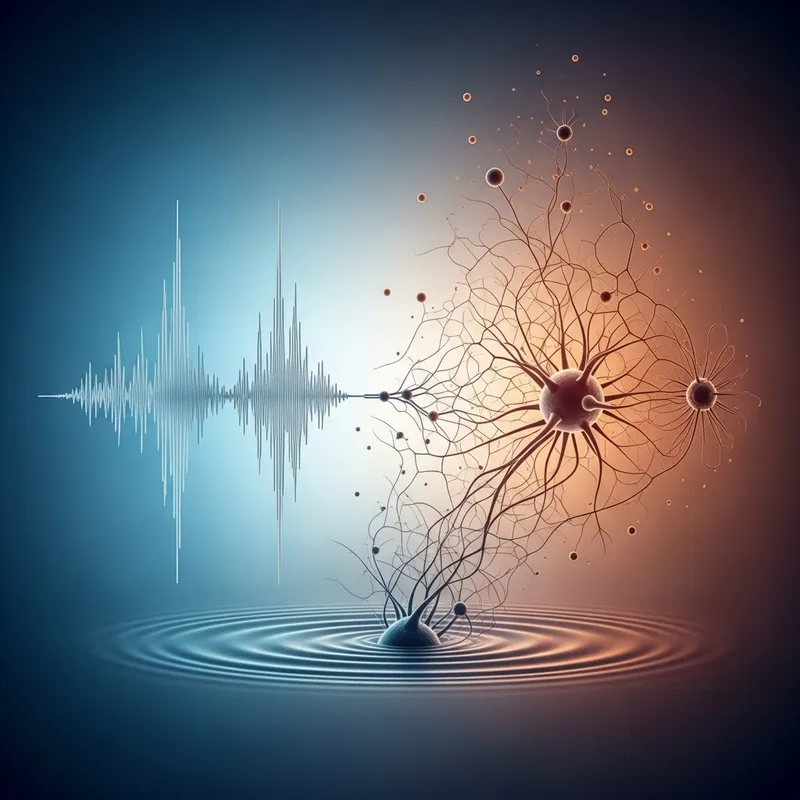
Sienna Rose may represent more than one mysterious profile. She represents the first mainstream collision between algorithmic music production and viral pop culture. In the past, automation assisted production. It cleaned vocals and corrected the pitch. It even layered the beats.
It writes entire catalogs. The difference is subtle. Yet there is a transformation in authorship. Historically, audiences followed artists because they connected with stories. Heartbreak. Triumph. Struggle. Place.
AI replicates structure, but struggles to replicate lived context. Still, algorithms learn fast. The question shifts from whether Sienna Rose exists to whether audiences care. If the emotional illusion satisfies, commerce wins. If authenticity prevails, human creators retain leverage.
The music industry is at that fork in the road.
TF Summary: What’s Next
Sienna Rose’s viral success exposes the rapid growth of AI-generated music. Streaming platforms detect digital fingerprints. Fans debate authenticity. Labels explore cost advantages. Artists defend human storytelling.
MY FORECAST: AI-generated pop artist Sienna Rose marks a tipping point. Platforms introduce clearer labeling rules. Regulators examine copyright training data. Fans demand transparency. Human musicians adapt by emphasizing story, live performance, and community. The bots gain volume. The humans fight for meaning.
— Text-to-Speech (TTS) provided by gspeech | TechFyle