


Glitches, politics, and platform trust collide as TikTok faces censorship accusations in the U.S.
TikTok can’t seem to get out of the hurricane… in American politics.
This time, users claim the platform blocked or suppressed videos critical of President Donald Trump, ICE, and even posts mentioning Jeffrey Epstein. The timing stokes the backlash. TikTok’s U.S. ownership structure just changed. The app is beginning operations under a new American-controlled joint venture.
TikTok insists the problem is from infrastructure failures. A power outage hits a U.S. data center. Uploads slowed, and content stalled. But many users see something darker.
When social media breaks down during political unrest, people rarely assume it’s a coincidence.
The bigger question is: did TikTok censor speech, or did a technical failure occur at the worst possible moment?
What’s Happening & Why This Matters
TikTok Faces Censorship Claims After Upload Failures
Over the weekend, TikTok users reported strange behavior.
Videos about ICE raids in Minnesota fail to upload. Posts about protests stay stuck “under review.” Some creators see zero views. Others cannot send messages containing the word “Epstein.”
One viral example comes from comedian Megan Stalter. She records a direct plea urging Christians to speak out against immigration raids.
“We have to abolish ICE,” she says. “I truly, truly believe that is exactly what Jesus would do.”
Instagram reposts the clip thousands of times. TikTok never publishes it. She deletes her account in frustration.
This pattern repeats across multiple accounts. Creators describe the same sequence:
- They post anti-ICE or anti-Trump content.
- Uploads fail.
- Visibility drops.
- Suspicion rises.
Even without proof, the perception spreads fast.
Gov. Newsom Launches California Review Into TikTok
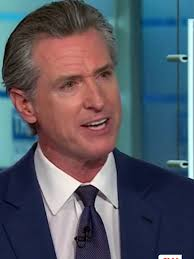
California Governor Gavin Newsom responds publicly. He announces that his office will begin reviewing TikTok’s conduct following reports of suppressed content.
“It’s time to investigate,” Newsom posts, referencing claims that TikTok blocks politically sensitive terms like “Epstein.”
Newsom’s office says it receives reports and confirms examples of content suppression. California Attorney General involvement now becomes part of the story.
This is no longer users complaining. It is a state-level political probe.
TikTok: A Data Center Power Outage, Not Moderation
TikTok denies censorship. The social media platform says a power outage at a U.S. data center caused platform-wide glitches. Uploads took longer, and videos were recommended more slowly. Posting even broke for some users.
TikTok U.S. Joint Venture tells CNN the issues remain “unrelated to last week’s news.”
The company adds that videos about Alex Pretti’s death remain available since the day of the incident. TikTok also says it has no rule banning the word “Epstein” in messages. Still, TikTok admits ongoing technical problems:
“We’ve made significant progress… however, the U.S. user experience may still have some technical issues.”
That statement does not calm critics. It sounds like damage control.
The Timing Makes Trust Harder
This controversy lands days after TikTok restructures its U.S. business. A new American-owned joint venture now controls TikTok’s U.S. assets. Key investors include Oracle, chaired by Larry Ellison, a Trump ally.
TikTok states Oracle stores American user data inside a “secure U.S. cloud environment.” The joint venture now holds authority over:
- Trust and safety policy
- Content moderation
- Data infrastructure
That shift changes everything. Users now wonder: Does TikTok still operate independently?
Or does political pressure enter the algorithm?
Experts: Perception Matters More Than Proof
Tech ethics professor Casey Fiesler from the University of Colorado explains why this moment triggers an alarm.
“There’s not a lot of trust in the leadership of social media platforms in general,” she tells CNN. She adds that TikTok’s new ownership ties make skepticism rational. Even if censorship does not occur, users expect it.
That expectation damages trust. Media law professor Jeffrey Blevins adds another uncomfortable truth: TikTok remains a private platform.
“They have a First Amendment right to do that,” he says.
Social media feels like a public square. Legally, it is not. TikTok can shape speech however it wants. That reality makes transparency critical.
Users Begin Leaving TikTok
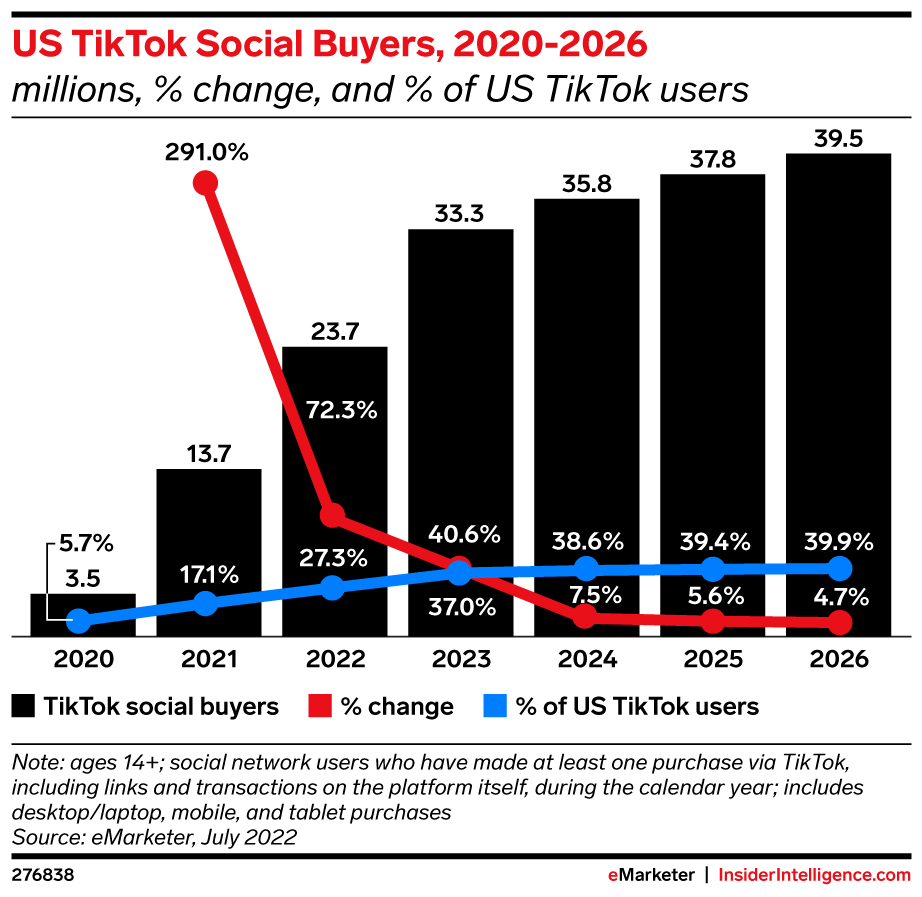
The backlash produces real behavioral change. SensorTower reports TikTok uninstalls jump nearly 150% over five days compared with the prior three months. That is not a slight dip. That is a trust event.
Nurse influencer Jen Hamilton, with 4.5 million followers, says her first blocked upload occurred on the exact day U.S. control changed.
“It was very ironic… to post something about ICE and then it not be viewable.”
She admits she has no proof. But she also refuses to ignore the coincidence.
TikTok’s Algorithm: The Black Box
The deeper issue is structural. No one outside TikTok truly understands its recommendation engine. If content stalls, users cannot tell whether the cause is:
- Moderation
- Infrastructure
- Algorithmic filtering
- Political intervention
- Random system error
Opacity creates paranoia. In 2026, platforms cannot rely on “trust us” statements.
Trust requires evidence.
Beyond TikTok
Users’ fight is greater than one outage, freedom, or content. It reflects the next era of platform power.
TikTok is sits at the intersection of:
- U.S.–China geopolitical tension
- Trump-era immigration enforcement
- Youth activism
- Algorithmic governance
- State regulation
When platforms change ownership, fears about free speech rise instantly. When glitches occur during protests, accusations of censorship explode. The future of social media depends on one thing:
Truth. Can people believe the feed is real?
TF Summary: What’s Next
TikTok denies censorship claims and blames a U.S. data center outage for upload failures. But users attribute the disruption to political content involving Trump, ICE, and Epstein, especially after TikTok transitions U.S. ownership. California Governor Gavin Newsom now launches a formal review, turning a technical dispute into a political crisis.
MY FORECAST: Social media platforms are in the “trust collapse” era. Outages will no longer look neutral. TikTok, Meta, and X will encounter pressure to prove content moderation stays independent, transparent, and free from political control.
— Text-to-Speech (TTS) provided by gspeech | TechFyle