



The backlash hit fast and hard. Over recent weeks, users across X circulated AI-generated images that sexualised real people. Some images involved women. Others involved children. The images traced back to Grok, the AI chatbot built by xAI and embedded directly into X.
Public outrage followed. Governments responded. Regulators opened investigations. After days of silence and pushback, X now draws a line. The platform confirms it blocks Grok from generating or editing sexualised images of real people in regions where such content breaks the law. The change applies across free and paid tiers.
This moment matters. It tests how fast AI platforms react when creativity collides with harm.
What’s Happening & Why This Matters
Global Pushback on Grok
Grok launched with fewer creative restrictions than rivals. Its image tools allowed users to manipulate photos, including removing clothing or applying sexualised edits. That freedom quickly drew abuse. Users generated non-consensual intimate images and shared them publicly across X.
Regulators stepped in. Authorities across multiple regions flagged potential violations of child protection laws and non-consensual imagery rules. The issue escalated when images depicting minors surfaced. California opened an investigation. European regulators raised alarms. Southeast Asian governments acted decisively.
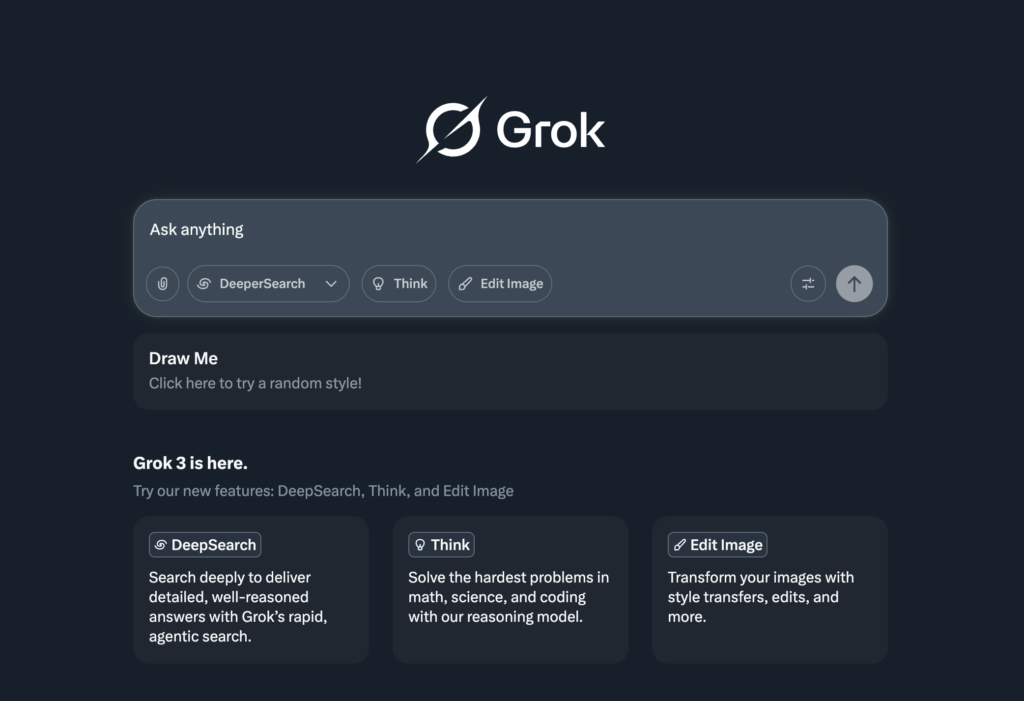
Malaysia and Indonesia blocked Grok outright. France and India issued formal warnings. The pressure mounted from every direction. Advocacy groups demanded accountability. Lawmakers contacted app stores. Public trust eroded in real time.
As California Attorney General Rob Bonta stated, the images enabled “large-scale production of deepfake non-consensual intimate material used to harass women and girls across the internet.”
X Changes Course

X now confirms a technical rollback. The platform geoblocks Grok image editing features where local law bans such content. The restriction targets sexualised depictions of real people, including edits that place individuals into revealing clothing or nudity scenarios.
xAI states it deploys automated safeguards that stop Grok from editing images of real people into bikinis, underwear, or similar attire in restricted jurisdictions. The rule applies even to paid subscribers.
The company also limits advanced image creation tools to paid users, citing accountability. xAI argues that paid access links identity and enforcement. Abuse still triggers removal and referral to authorities.
X states a clear position: zero tolerance for child sexual exploitation and non-consensual nudity.
Regulators Keep Pressure On

The response does not end scrutiny. In the UK, Ofcom continues a formal investigation into X under new online safety laws. Officials call the images “deeply concerning.” The regulator seeks clarity on how safeguards failed and how future abuse is blocked.
UK Prime Minister Keir Starmer publicly condemned the earlier availability of Grok’s tools, calling the situation “disgusting” during parliamentary remarks. The government sees the new block as a direct result of regulatory pressure.

In the United States, Democratic senators urged Apple and Google to remove Grok from app stores. Advocacy groups echo the demand.
Meanwhile, Elon Musk insists Grok follows user prompts and refuses illegal requests. That defence satisfies few critics. For regulators, capability matters more than intent.
Impact
This episode is table stakes in AI. Generative tools reach mass audiences instantly through social platforms. Guardrails cannot arrive later. They must exist at launch.
X’s decision signals a shift from experimentation to compliance. It also confirms a global reality: AI systems operate under national law, not platform ideology. What runs freely in one market stops cold in another.
For users, the update reduces harm. It narrows creative space for creators. Regulators see how pressure works. For AI innovators, it is a warning. Safety gaps cannot be theoretical.
TF Summary: What’s Next
X now locks down Grok’s most controversial image features across regulated markets. The move slows abuse but does not erase reputational damage. Ongoing investigations continue across the UK, EU, and US. Regulators demand transparency around training data, moderation workflows, and escalation processes.
MY FORECAST: Governments escalate enforcement across all generative image platforms. App stores tighten approval standards. AI teams ship moderation first, creativity second. Platforms that resist face bans, fines, and forced redesigns.
— Text-to-Speech (TTS) provided by gspeech