


Popular Jeep Plug-in Will Not Be in 2026 Production
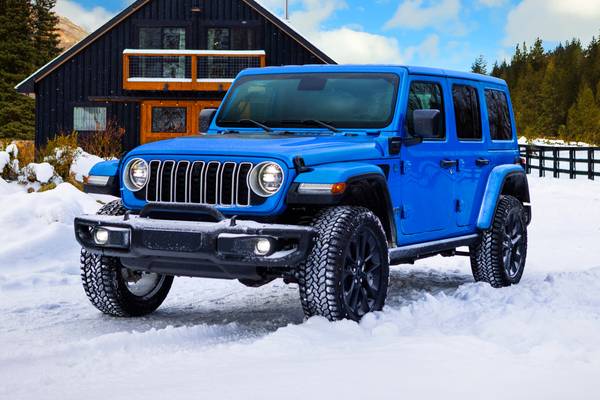
For years, plug-in hybrids acted as the diplomatic middle ground between gasoline loyalty and electric ambition. Stellantis once leaned hard into that compromise. The company built America’s best-selling plug-in hybrids and marketed them as a practical bridge toward electrification. That chapter now closes. Stellantis ends production of the Jeep Wrangler 4xe and effectively dismantles its U.S. plug-in hybrid lineup, starting with the 2026 model year. The move signals more than a model cancellation. It signals a recalibration of how one of the world’s largest automakers views electrification, regulation, and consumer demand in the United States.
What’s Happening & Why This Matters
Stellantis Pulls the Plug on Its Top-Selling PHEV
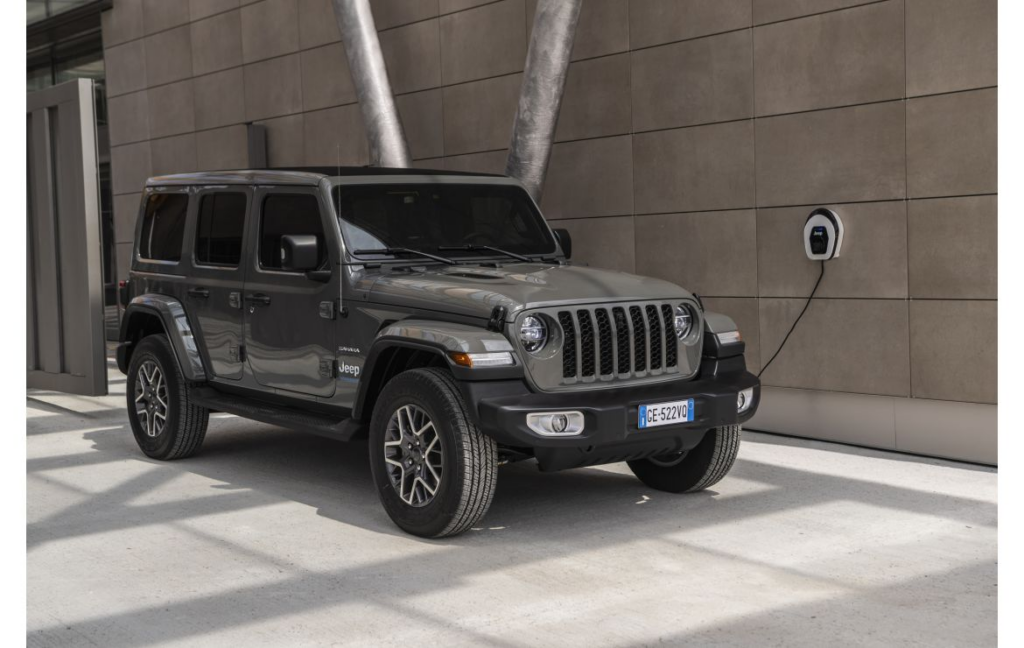
Stellantis confirms it ends production of the Jeep Wrangler 4xe, the top-selling plug-in hybrid vehicle in the U.S. market for several consecutive years. The Jeep Grand Cherokee 4xe exits alongside it. Both models disappear from Jeep’s U.S. website. The decision reflects finality, not pause. Stellantis does not position this as a temporary retreat.
The company says its decision is a strategic one. In a statement, Stellantis says it “continually evaluates its product strategy to meet customer needs and regulatory requirements.” Translation feels clear. Demand softens. Costs rise. Regulatory certainty erodes. The plug-in hybrid bridge now feels less sturdy.
Quality Issues and Financial Pressure Add Weight
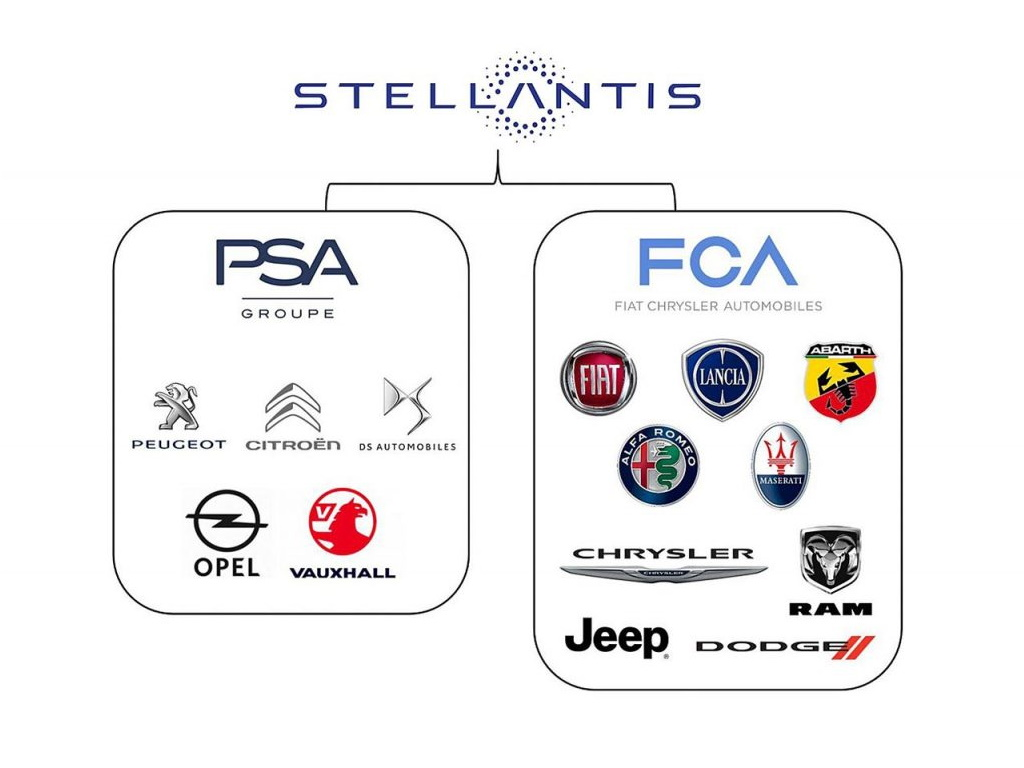
Behind the strategy language sits a string of operational problems. Stellantis recalls every 4xe vehicle in late 2025 due to software faults and battery fire risks. The recalls amplify cost pressure and dent consumer confidence. At the same time, Stellantis struggles financially. Sales decline across multiple years. Leadership shifts mid-2025. EV development costs climb while incentives shrink.
Federal policy turbulence compounds the problem. The end of the $7,500 U.S. EV tax credit impacted buyer math overnight. Tariffs inflated supply chain costs. For automakers already operating on thin margins, plug-in hybrids lose their financial appeal — very fast.
Chrysler Pacifica Lives — For Now
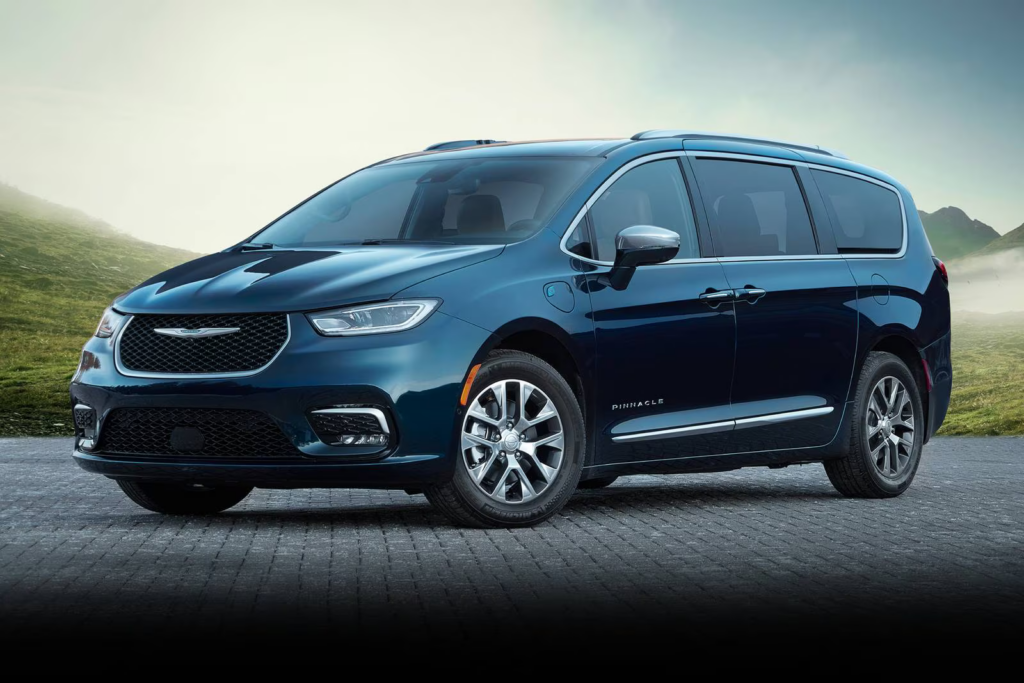
One plug-in hybrid remains. The Chrysler Pacifica PHEV is still listed, at least for now. Its survival looks more tactical than philosophical. The minivan occupies a unique family niche. It faces less direct competition. Still, its isolation speaks volumes. Stellantis does not plan renewed PHEV investment. The broader lineup is dissolving.
Trending: Extended-Range Hybrids
Stellantis pivots toward hybrids and extended-range electric vehicles (EREVs). These models rely on gasoline engines as onboard generators rather than direct drivetrain partners. The approach reduces battery size. It reduces cost. It reduces charging anxiety.
This pivot mirrors broader industry behavior. Ford scrapped its original electric strategy for the F-150 Lightning and is retooling it as an EREV concept. Range headlines dominate again. Efficiency replaces purity. Automakers chase flexibility (and sales) rather than ideology.
Jeep’s Electric Hesitation

Jeep’s electric history already tells a cautious story. The brand launched its first full EV, the Wagoneer S, only in 2024. The Recon EV followed, slowly. Plans for the Compass EV paused. Jeep never gained access to Tesla Superchargers, unlike most major U.S. brands. Each [mis]step reinforces the same sentiment. Stellantis never fully committed.
The success of the Wrangler 4xe was always an outlier. A surprise hit rather than a cornerstone strategy. Bye anomaly. Thanks for the laughs….
Industry Viewpoint
The plug-in hybrid once felt like the safe bet. Governments promoted it. Consumers understood it. Automakers sold it as a stepping stone. That stepping stone now cracks under pressure. Battery costs remain high. Charging infrastructure advances unevenly. Policy consistency fades.
Stellantis does not abandon electrification. It redefines it. The company prioritizes solutions that maximize flexibility, control cost, and limit regulatory exposure. In today’s environment, extended-range hybrids check those boxes better than plug-in hybrids.
TF Summary: What’s Next
Stellantis exits the U.S. plug-in hybrid market at scale. The Jeep Wrangler 4xe ends its run despite sales leadership. Financial strain, recall risk, and policy volatility outweigh demand success. Stellantis reallocates resources toward hybrids and extended-range platforms that promise efficiency without dependence on charging behavior.
The broader market follows a similar arc. Automakers pull back from rigid EV roadmaps and embrace pragmatic propulsion mixes. Electrification continues. It just looks less idealistic and more defensive.
MY FORECAST: Plug-in hybrids fade faster than expected across North America. Extended-range systems replace them as the dominant transitional technology. Pure EV growth slows, then stabilizes, driven by cost breakthroughs rather than mandates.
— Text-to-Speech (TTS) provided by gspeech