


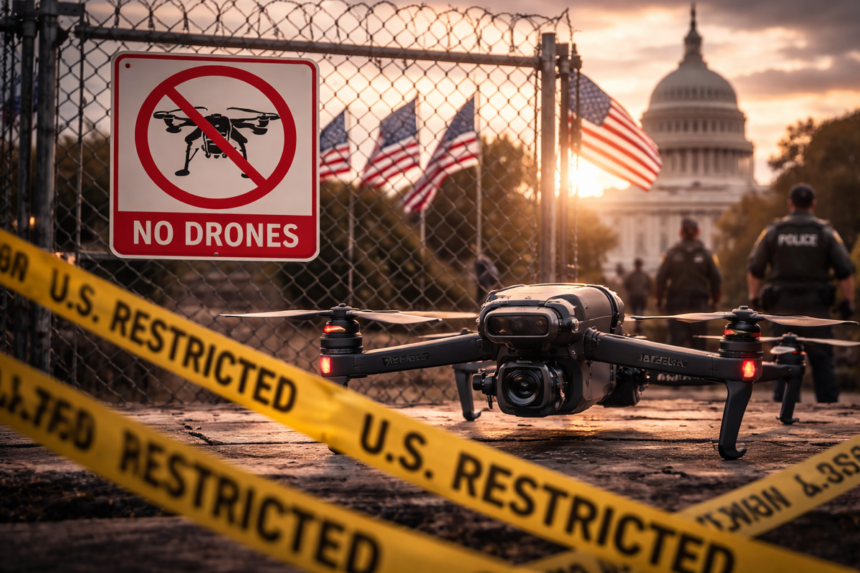
The FCC Locks the Gate
The United States slammed the door on foreign-made drones. Not partially or symbolically. Completely.
The decisive act redraw the airspace economy, exposing long-ignored dependencies, forcing a reckoning across public safety, infrastructure, defense, agriculture, and media production. The ban does not encircle trade policy alone. It plants itself squarely inside national security, data sovereignty, and airspace control.
For more than a decade, American agencies relied on drones built abroad. Police departments fly them. Utilities inspect lines with them. Emergency responders trust them during wildfires and floods. That dependence appears to be at an end.
What’s Happening & Why This Matters

The Federal Communications Commission placed foreign-made drones and communications components on its Covered List, blocking authorization for new sales inside the United States. The rule applies immediately.
No exemptions exist without clearance from the Department of Homeland Security or the Department of Defense. Commercial convenience no longer outranks airspace control.
FCC Chair Brendan Carr supports the decision without ambiguity. He describes foreign drone platforms as vectors for surveillance, interference, and disruption. He cites global conflicts, domestic security events, and mass-gathering threats as proof points.
The ban treats drones as infrastructure, not gadgets.
DJI Loses Its American Pipeline
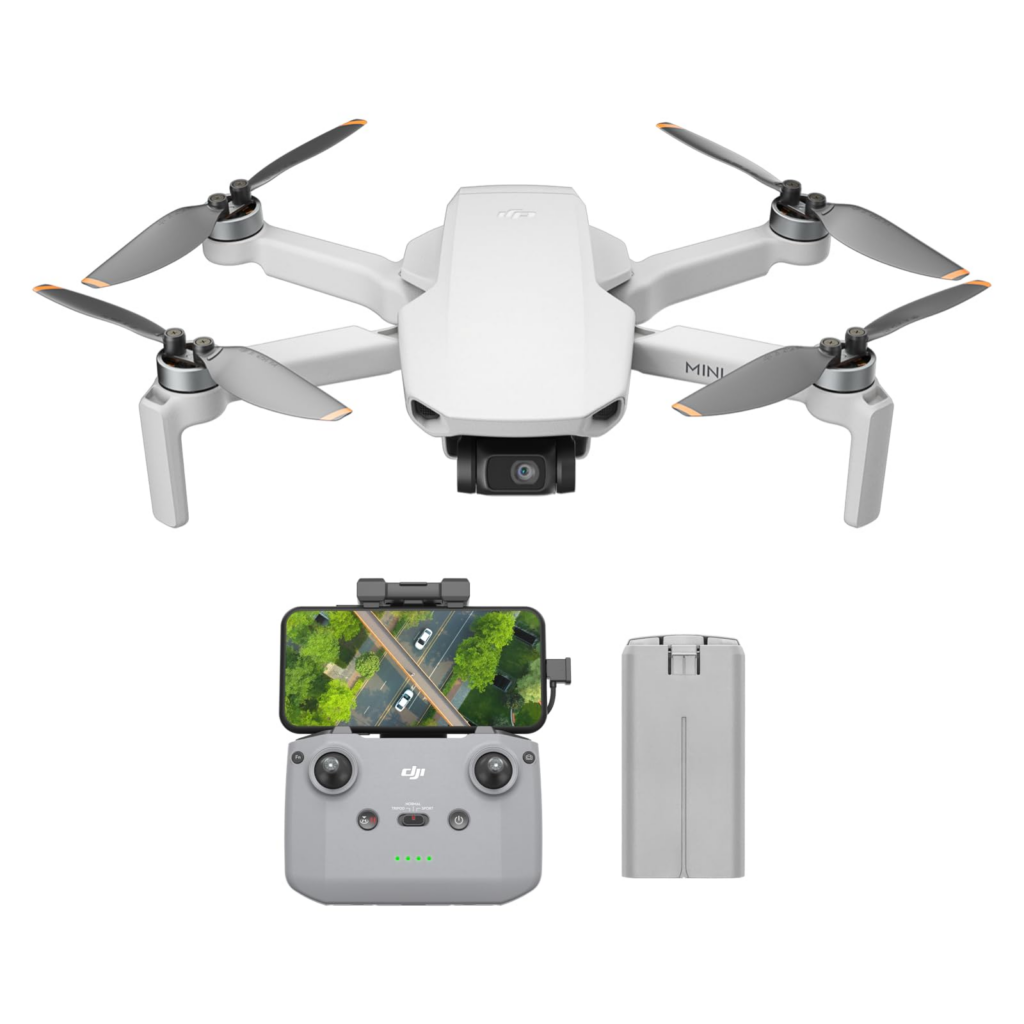
The ruling strikes hardest at DJI, which dominates U.S. commercial drone use across law enforcement, construction, mapping, and film. DJI products deliver performance, reliability, and price advantages. Those traits now fail relevance.
DJI disputes security claims and denies improper data access. That defense no longer really matters. The U.S. government considers the issue around capability, not intent.
Security policy no longer waits for proof of abuse. It reacts to exposure.
Repairs Stop. Supply Chains Break.
The ban blocks more than new sales. It disrupts maintenance pipelines, firmware updates, and component replacement. Agencies operate fleets without manufacturer support. That mean longer downtime. That translate to increase maintenance costs. And a direct correlation on training pipelines, too.
The pain is deepest on police departments, fire services, and rural utilities that rely on aerial coverage due to staff shortages or geographic scale. These specialty groups face a forced migration toward domestic platforms that lack comparable maturity.
The ban exposes a truth many operators ignore: foreign hardware controls lifecycle power.
Benefits for Domestic Drone Makers
American manufacturers are gaining entry into a protected space. Companies such as Hylio are receiving renewed attention. Investors are reengaging as procurement officers reassess their options.
Industry groups such as Association for Uncrewed Vehicle Systems International argue the ban restores balance after years of price pressure driven by subsidized foreign competition.

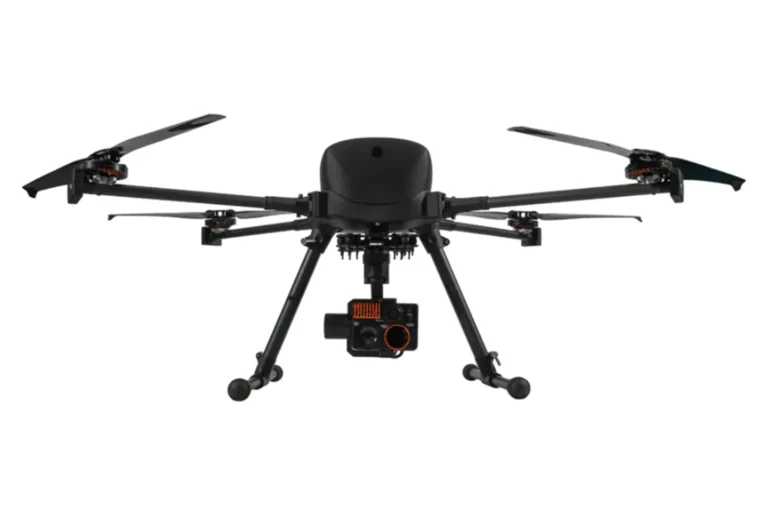
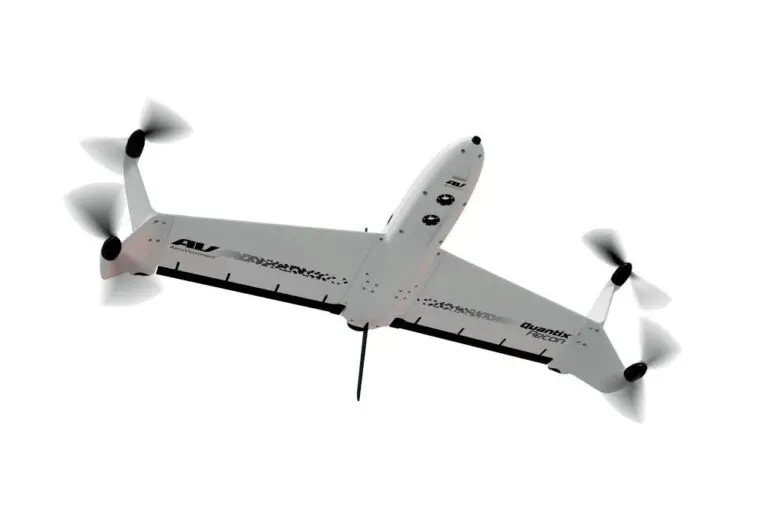
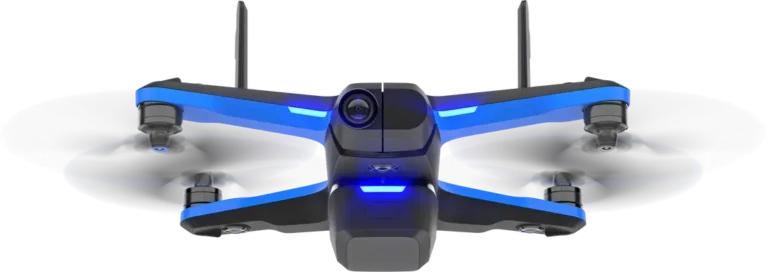
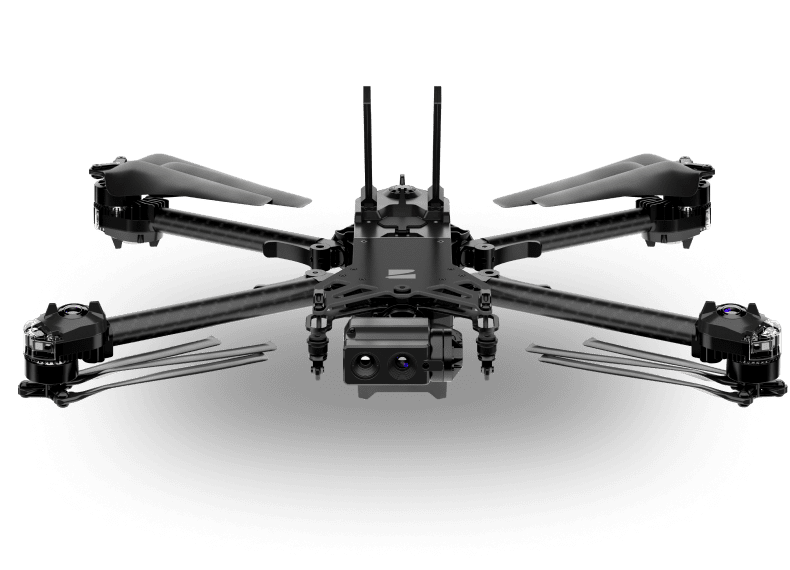
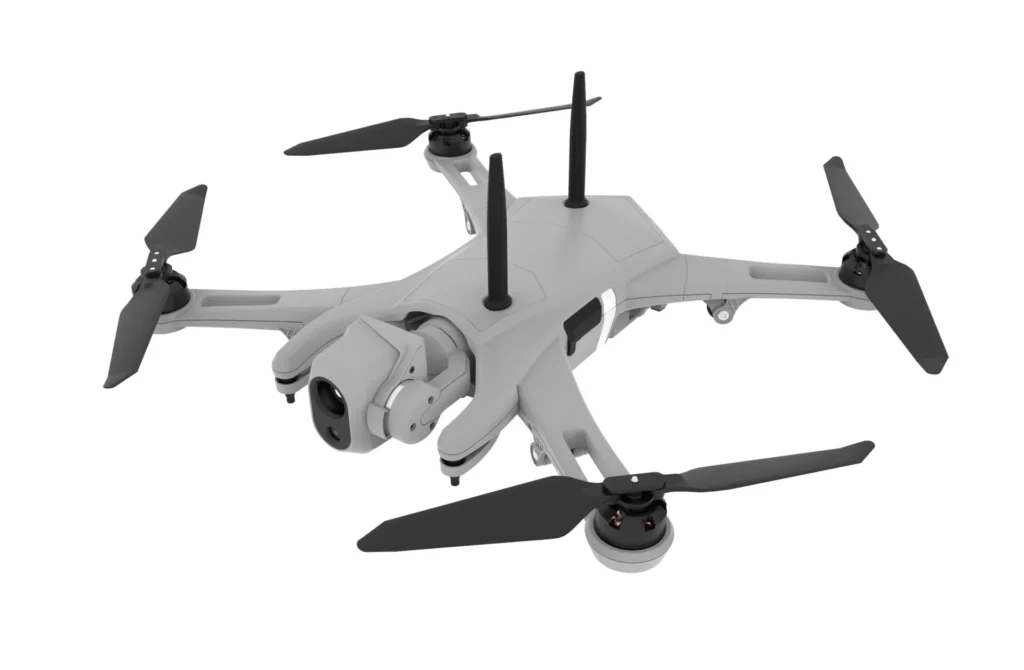
The protectionis is a late bloomer. Domestic supply lacks scale, so prices rise. Domestic drones lack feature parity with their foreign counterparts. Still, sovereignty overcomes efficiency under the current doctrine.
The Security Logic Behind the Ban
Drones interconnect radios, sensors, navigation systems, and data pipelines. Control of the layers defines surveillance power. Foreign control introduces unacceptable ambiguity, in the U.S. government’s eyes.
The government no longer tolerates ambiguity.
Large events such as the Olympics, political conventions, and national celebrations push urgency higher. Unauthorized drones disrupt airspace. Hostile drones collect intelligence. The response now favors elimination of foreign exposure rather than mitigation.
This approach mirrors telecom actions against Huawei and semiconductor controls against advanced compute exports. Drones join that class.
The Cost of Delay
This ban exposes years of procurement complacency. Agencies chased performance metrics and budget efficiency while ignoring origin risk. That pattern ends now, but the transition is likely to be painful.
Training programs require overhauling and procurement is left scramblomg. Can local governments absorb replacement costs without federal relief? What about rural operators and the steepest climb to stay afloat?
The consequences are a result of accumulated neglect, not sudden overreach.
TF Summary: What’s Next
MY FORECAST: The United States begins a constrained drone era. Domestic manufacturers gain relevance under a raised pricing model. Choices narrow, but with an emphasis on secured operations. There will be several flashpoints — big and small.
The new policy does not soften; it gets tougher. Airspace soveriegnty is now national defense doctrine.
— Text-to-Speech (TTS) provided by gspeech