


OpenAI Deepens Its Government Connections
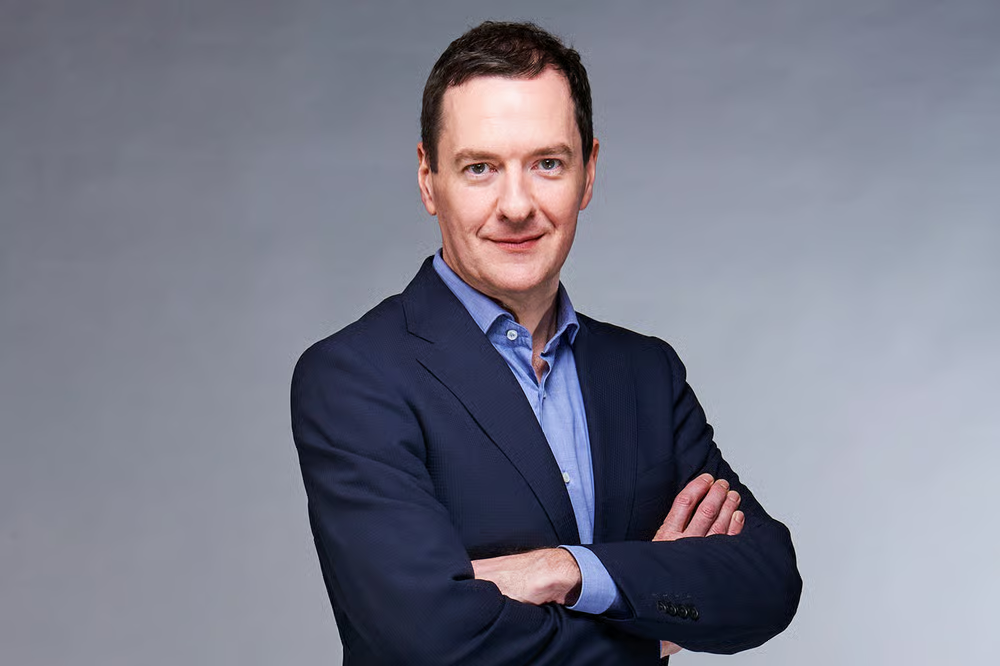
OpenAI expanded its global ambitions by bringing a familiar political heavyweight into its ranks. Former U.K. chancellor George Osborne joined the company to lead a new effort focused on governments, public infrastructure, and national AI strategies. The addition indicates how seriously OpenAI treats its function beyond consumer tools and developer platforms.
Osborne, who served as Britain’s chief financial minister from 2010 to 2016, assumes the role of managing director and head of OpenAI for Countries, a program designed to help governments build and govern artificial intelligence responsibly. The role is based in London and places OpenAI directly at the centre of global policy conversations as AI governance accelerates worldwide.
What’s Happening & Why This Matters

OpenAI launches OpenAI for Countries to work directly with national governments on AI capacity, infrastructure, and skills. The program focuses on building data centres, supporting access to supercomputing, and helping public institutions deploy AI across services such as healthcare, education, and administration. Osborne now leads this effort, expanding partnerships already underway across Europe, North America, and other regions.
OpenAI states the work around what it calls democratic AI, a model that embeds transparency, accountability, and civic values into large-scale systems. The company positions AI as critical infrastructure, comparable to energy grids or telecommunications networks. That structure places governments, not just private companies, at the centre of future AI decisions.
Signs to Global Policymakers
Osborne’s appointment is unmistakable. OpenAI wants credibility inside ministries, regulatory bodies, and international forums. As former chancellor and current chair of the British Museum, Osborne brings policy fluency, economic insight, and diplomatic reach. His background allows OpenAI to speak the language of governments navigating regulation, national security, and economic competitiveness.
Chris Lehane, OpenAI’s chief global affairs officer, describes AI as infrastructure that shapes geopolitics and economic power for decades. He notes that OpenAI for Countries already works with more than 50 governments on AI literacy, workforce training, safety standards, and industrial modernisation. Osborne now scales that effort as more countries seek formal partnerships.
Europe, U.K., and AI Governance
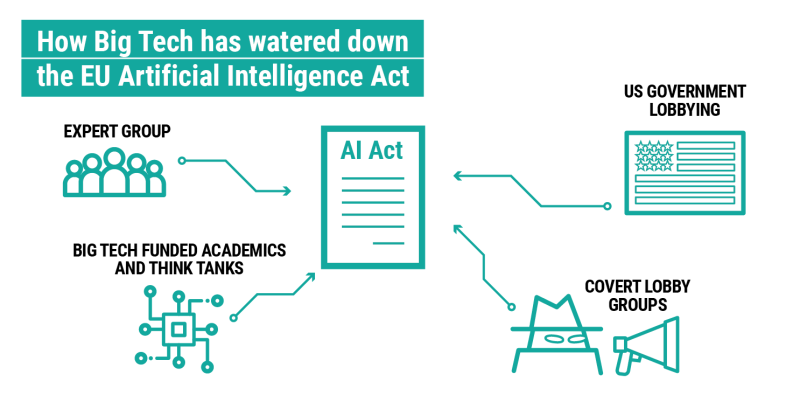
The timing matters. European governments push ahead with regulatory frameworks while also competing for AI investment. The U.K., in particular, positions itself as a hub for AI research, safety, and deployment. Osborne’s London-based role places OpenAI close to European regulators while maintaining strong ties to U.S.-led initiatives such as the Stargate Project, an infrastructure effort backed by OpenAI, SoftBank, and Oracle.
Osborne leaves his role at investment bank Evercore to join OpenAI full-time. He publicly praises OpenAI leadership and describes the company as the most promising force in global technology. His move reflects how AI now attracts senior figures once reserved for finance, defence, or diplomacy.
TF Summary: What’s Next
OpenAI continues to shift from a research-driven organisation to a geopolitical actor. With George Osborne leading OpenAI for Countries, the company strengthens its influence across national AI strategies, infrastructure planning, and public-sector deployment. Governments increasingly view AI as a strategic asset rather than a consumer convenience.
MY FORECAST: More former policymakers join prominent AI firms as regulation, infrastructure, and national competitiveness collide. OpenAI uses this momentum to lock in long-term government partnerships, moulding how democratic societies deploy and govern artificial intelligence.
— Text-to-Speech (TTS) provided by gspeech