


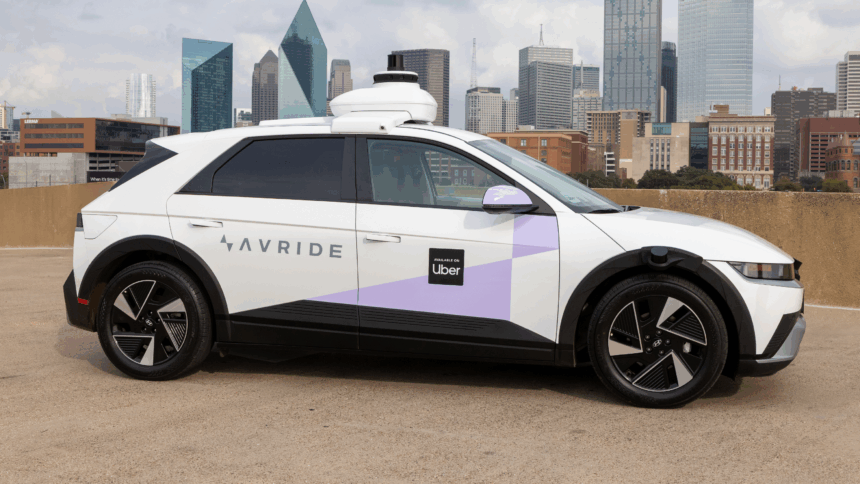
Dallas just entered the robotaxi era. Uber brings autonomous rides to one of America’s fastest-growing cities through a fresh partnership with Avride, and the launch signals another milestone in the company’s push toward driverless mobility. Riders now match into robotaxis without friction, pay nothing extra, and step into a future that once lived in science fiction.
This rollout expands the push from quiet pilots into real commercial activity. The Dallas launch centers on convenience, autonomy, and scale, and the reaction already shows intense public curiosity.
What’s Happening & Why This Matters
Uber and Avride Activate a Commercial Robotaxi Zone

Uber launched the Dallas robotaxi service inside a defined nine-square-mile zone. Riders booking UberX, Uber Comfort, or Uber Comfort Electric enter the pool automatically. When the system selects an autonomous vehicle, users decide to accept the ride or switch back to a human driver.
Inside the car, riders unlock the vehicle through the app, take their seat, and tap Start Ride to move. This simple workflow turns rider onboarding into a direct part of the autonomous experience.
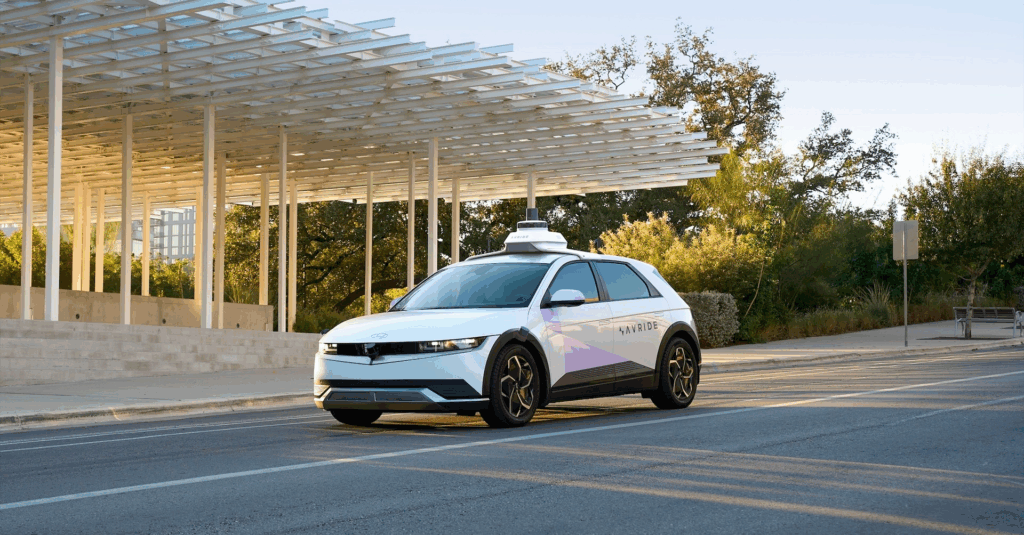
The fleet uses customized Hyundai Ioniq 5 robotaxis packed with cameras, lidar, and radar arrays. Three passengers fit in the back, and the trunk offers practical space. Riders also open a direct help channel in the app if anything feels off.
Avride Operates the Fleet as Uber Builds Toward Full Ownership
Avride handles the hardware today. It manages cleaning, inspections, charging, and maintenance. Uber plans to take over these operations later. This matters because it shows Uber’s steady march toward a unified autonomous fleet model rather than a patchwork of third-party operators.
Uber sees Dallas as a central expansion node. The company references plans for hundreds of AVs in the city within a few years, forming a major commercial corridor in the southern U.S.
Robotaxi Competition Expands Across Dallas
This local rollout intensifies competition. Waymo, under Alphabet, prepares its Waymo One service for Dallas. Its deployment uses an Avis-managed fleet and plans to activate in 2026. While Waymo already partners with Uber in Atlanta and Austin, it intends to handle Dallas rides separately in its own app.
Lyft also targets Dallas with commercial AV rides next year. The result creates a multi-brand autonomy race across the same streets, bringing real-time comparisons across user adoption, city engagement, and safety metrics.
Uber now runs autonomous ride programs across Abu Dhabi, Atlanta, Austin, and Riyadh, with ten cities scheduled on the roadmap by 2026. Dallas becomes a high-visibility proving ground in this global web.
TF Summary: What’s Next
Robotaxis are at the heart of urban mobility. Dallas is a serious test for safety, uptake, and rider trust. The experience in an Avride vehicle eliminates friction. The expansion plans suggest Uber sees Dallas as a long-term pillar of its AV initiatives. Competition from Waymo and Lyft increases attention and revs innovation.
MY FORECAST: Dallas transforms into one of the most influential AV battlegrounds in the United States. Companies expand fleets, cities adjust rules, and riders push adoption forward. Robotaxi usage climbs, and autonomous ride networks spread across major U.S. metro regions faster than industry projections.
— Text-to-Speech (TTS) provided by gspeech